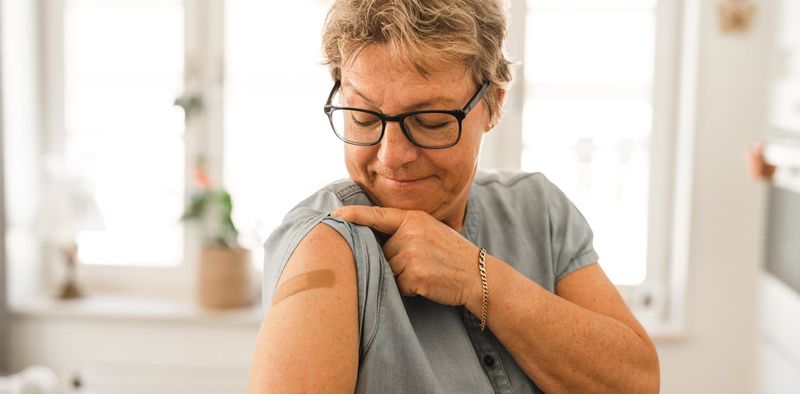
Should the shingles vaccine be free for all adults? We asked 5 experts Shingles (herpes zoster) is often thought of as an older person’s disease. The Conversation · Aug 9
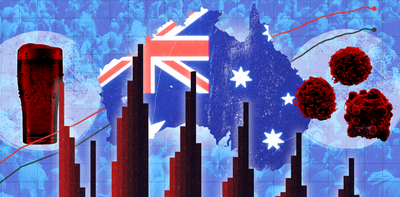
Mental illness is up in young people, dementia is now the biggest killer: Australia’s health in 2026 Australians’ life expectancy has increased steadily over time but dropped during the COVID pandemic, according to a new report released today by the Australian Institute of Health and Welfare. The Conversation · Jul 8
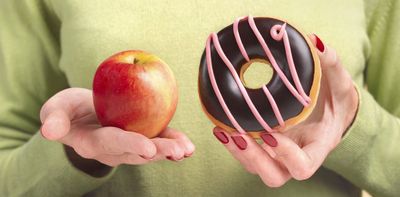
‘Decision fatigue’ could be hurting your health. A nutritionist explains You’re standing in a supermarket aisle, weighing up whether to buy a microwave meal or a bunch of fresh carrots. The Conversation · May 5
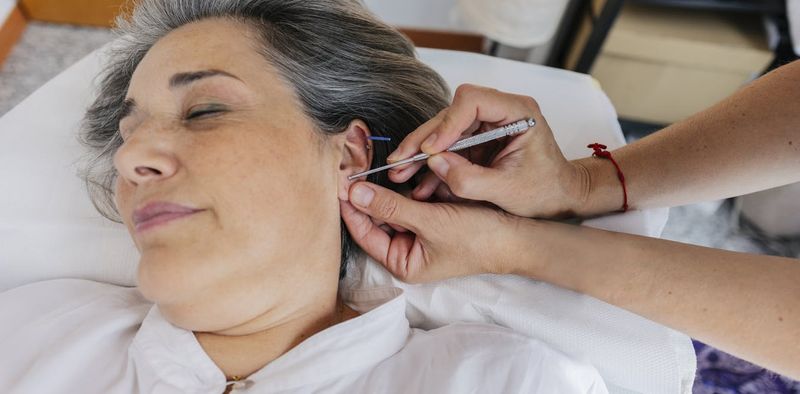
Thinking about acupuncture or herbs for menopause? Read this first Hot flushes, night sweats or swinging mood changes are some of the most common symptoms of menopause – the stage of a woman’s life when menstrual periods stop permanently, and she is no longer fertile. The Conversation · Apr 15
When is the best time to get your flu shot? 2 infectious diseases experts explain We usually have to wait until winter approaches before we see an increase in cases of influenza, or the flu. But we have already seen a lot of flu this year, with 25,000 cases reported from January to March – and that’s only a fraction of actual case numbers. The Conversation · Apr 5
This common antidepressant helps people cut back on methamphetamine – new study Methamphetamine – more commonly known as meth, crystal or ice – is a highly addictive, stimulant drug. The Conversation · Apr 1
Australia’s new physical activity guidelines won’t shift the needle – here are 4 better ideas The federal government has just released updated physical activity guidelines for adults and older adults (aged 65+) for the first time in more than a decade. The Conversation · Mar 17
Sex, pink and empowerment are used to sell alcohol to women. They don’t always like it Ellidy pops into the bottle shop on her way out to dinner with friends. The Conversation · Mar 10
In a heatwave, a cool library or shopping centre is a lifeline. Do we need more climate shelters? Many of our homes and workplaces were built for a milder climate that no longer exists. As Australia braces for more days above 40ºC and hot nights, many homes – especially older or poorly insulated ones – become unsafe as heat overwhelms the body’s natural cooling systems. The Conversation · Mar 4
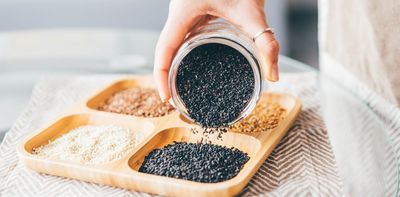
What is black sesame? Is it really the new matcha? An expert explains Black sesame is the latest plant-based product to go viral, with its appealing colour and nutty taste. The Conversation · Mar 3
Why scrapping a key health promotion agency makes little economic sense News the world’s first independent health promotion agency – Australia’s own VicHealth – is to be abolished has been called “incomprehensible” and “a disaster” that places democracy at risk. The Conversation · Feb 8
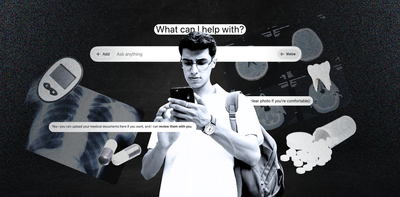
ChatGPT Health promises to personalise health information. It comes with many risks Many of us already use generative artificial intelligence (AI) tools such as ChatGPT for health advice. They give quick, confident and personalised answers, and the experience can feel more private than speaking to a human. The Conversation · Jan 26
The way Australia produces food is unique. Our updated dietary guidelines have to recognise this You might know Australia’s dietary guidelines from the famous infographics showing the types and quantities of foods we should eat to have a healthy diet. The Conversation · Dec 2, 2025
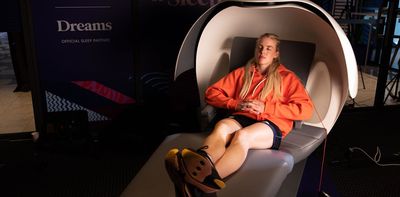
The next great performance booster for athletes? Sleep When we think of elite athletes, we generally think of people who are at the top of their game physically. The Conversation · Nov 11, 2025
The Conversation · Nov 5, 2025 Peanut allergies have dropped dramatically in the US. Is that likely to happen in Australia? A new study published in the journal Pediatrics shows peanut allergies are becoming less common in the United States.
The Conversation · Oct 24, 2025 Should drug companies be allowed to run ‘awareness’ ads for conditions their drugs treat? We asked 5 experts Unlike in the United States and New Zealand, it’s illegal in Australia to advertise prescription medicines directly to the public.
The Conversation · Oct 16, 2025 Some US protein powders contain high levels of lead. Can I tell if mine is safe? This week, the United States non-profit Consumer Reports released its investigation testing 23 protein powders and ready-to-drink shakes from popular brands to see if they contained heavy metals.
The Conversation · Oct 8, 2025 Women and kids often pay a heavy price when men drink. Our gender violence plan should reflect this Globally, up to one in three women who live with a male partner report he is a heavy drinker. Evidence shows men’s drinking increases the severity and frequency of violence towards women and harms to children.
The Conversation · Oct 7, 2025 Why do doctors run late? You’ve turned up at the doctor’s clinic on time. But you’re scrolling on your phone, watching the clock tick past your appointment time. By the time you’re called in, you’re running late for work or school pick-up, and you’re getting stressed.
The Conversation · Sep 25, 2025 People who use drugs are trying to stay safe in a politicised world, our surveys show People who use drugs are increasingly trying to reduce harm – by obtaining the life-saving drug naloxone and testing their drugs – according to new data.
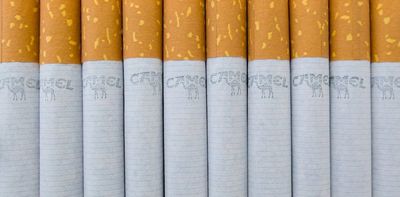
The Conversation · Sep 16, 2025 Could making tobacco cheaper actually cut down smoking rates? We asked 5 experts Australia aims to reduce rates of daily smoking to 5% or less by 2030. By 2023, we got down to 8.3%.
The Conversation · Aug 14, 2025 What is creatine? What does the science say about its claims to build muscle and boost brain health? If you’ve walked down the wellness aisle at your local supermarket recently, or scrolled the latest wellness trends on social media, you’ve likely heard about creatine.
The Conversation · Jul 15, 2025 Supermarket treatments for depression don’t require a prescription. But do they work? Australians have long been some of the highest users of herbal and nutritional supplements that claim to boost mood or ease depression. These include omega-3s (found in fish oil), St John’s wort, probiotics and vitamin D.
The Conversation · Jul 14, 2025 How much salt is OK in drinking water? Without limits, Australia’s health gap widens in remote and regional areas Most Australians consume far too much sodium, mostly in the form of salt (sodium chloride) in the food they eat.
The Conversation · Jun 30, 2025 We have drugs to manage HIV. So why are we spending millions looking for cures? Over the past three decades there have been amazing advances in treating and preventing HIV.









 The Conversation
