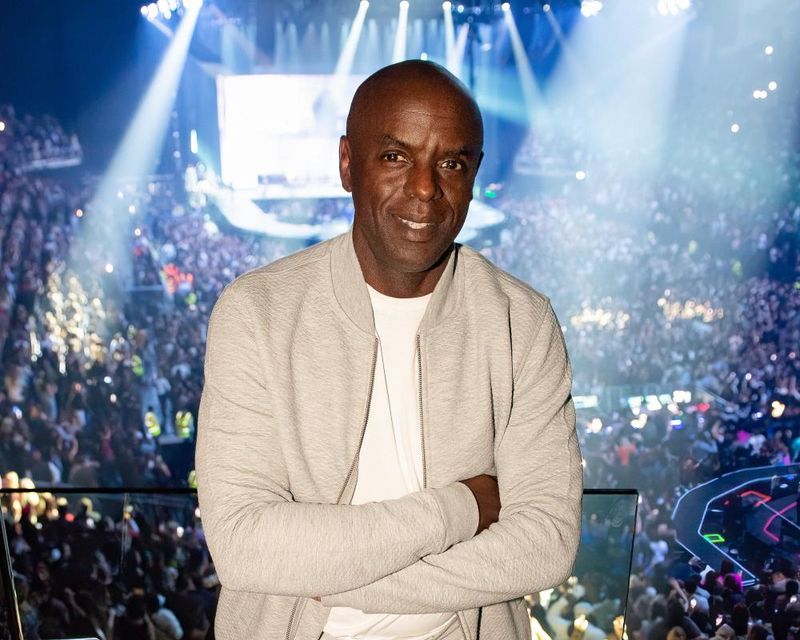
BBC’s Trevor Nelson recovering after brain tumour surgery Radio 2 DJ, who stepped back from work commitments in June, says operation went ‘incredibly well’ The Guardian - UK · Aug 20
Bill Ackman's $400 million brain institute was inspired by his daughter—and built outside elite universities, which he says are losing talent The billionaire investor said campus politics and funding cuts have made academia less attractive Fortune · Aug 20
New Jersey KPMG employee chooses ‘soft retirement’ after severe illness left her battling brain fog and burnout; now works 20 hours a week with key benefits A KPMG employee in New Jersey Tina Bonnano turned to “soft retirement” after serious illness, brain fog and burnout made her 50- to 60-hour workweeks unsustainable. She now works about 20 hours a week while keeping key employment benefits, giving her more time to focus on hobbies, writing and her… The Economic Times · Aug 20
Robocop is coming: US got the best brain but China flexes the muscle China’s robotics industry is rapidly moving from flashy demonstrations to real-world deployment, giving it a potential edge in the global robot race. While the US remains stronger in AI and advanced robotics, China has a major advantage in manufacturing scale, supply chains and a huge domestic market. The Economic Times · Aug 20
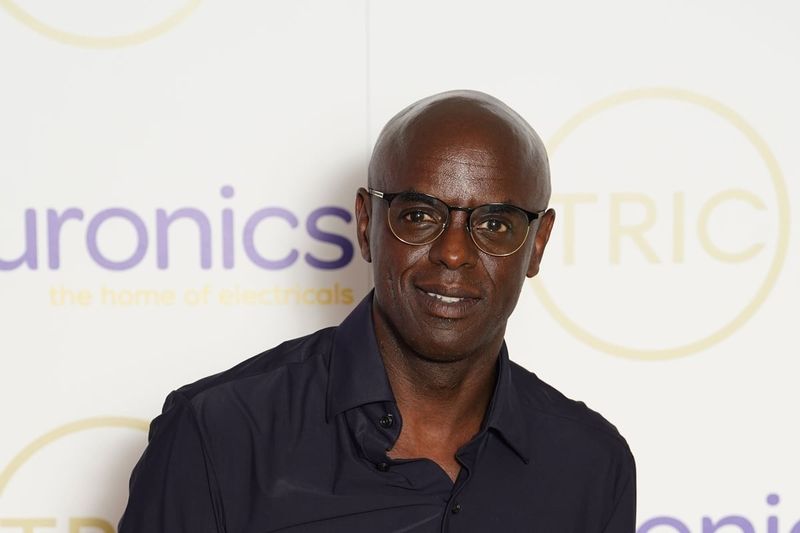
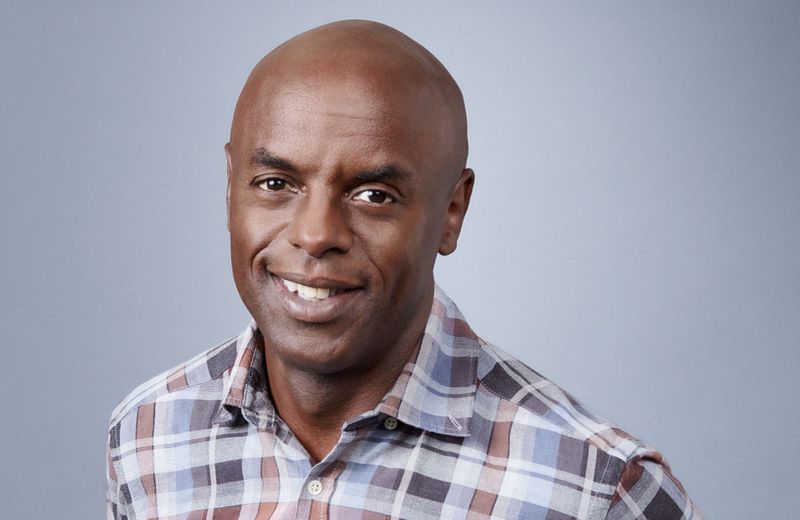
Trevor Nelson says he is ‘on the mend’ after surgery for brain tumour The broadcaster and DJ announced in June he was taking a break from work to deal with ‘health issues’. Evening Standard · Aug 20
Bulletin PM briefing: Fuel shortage chaos in Russia and Sussexes’ UK return Harry and Meghan’s UK security funding ‘a private matter’, says Burnham. Russian police arrest citizens critical of fuel shortages caused by Ukraine war. Why has North Korea fired a barrage of ballistic missiles? How Iran has responded to Trump’s ‘Economic D-Day’ threat. Trevor Nelson shares brain tumour diagnosis after stepping… The Independent UK · Aug 20
BBC Radio 2 presenter Trevor Nelson reveals brain tumour diagnosis BBC Radio 2 broadcaster Trevor Nelson has revealed that he has been diagnosed with a brain tumour - after announcing in June that he was stepping back from work commitments due to "health issues". BANG Premier · Aug 20
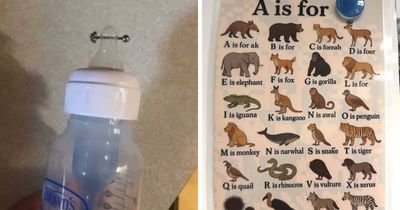
80 Baffling Images That Had People Asking Questions The Internet Answered In A Helpful Or Funny Way (New Pics) As intricate as the human brain is, it sometimes glitches and leaves us utterly confused. It’s those moments when we come across something that defies the logic we know, then resort to asking the internet for an explanation and clarity. Online communities like the “What?” subreddit give befuddled folks a… Bored Panda · Aug 20
Trevor Nelson shares brain tumour diagnosis after stepping back from BBC Radio 2 show IN FULL The Independent UK · Aug 20
Why salty food is so appetising when you’re by the sea A table overlooking the sea, with a cold drink accompanied by olives, crisps, nuts, perhaps a tin of sardines or fried fish and chips. Even if you aren’t particularly hungry, the seaside atmosphere seems to demand this kind of savoury, salty food. Is it just force of habit, a physiological… The Conversation · Aug 20
Trevor Nelson reveals brain tumour diagnosis that 'turned his world upside-down' The DJ, 62, said he had a ‘very serious operation’ and has spent the last month recovering Evening Standard · Aug 20
BBC Radio 2 star Trevor Nelson reveals brain tumour diagnosis: ‘My world turned upside down’ BBC broadcaster took a break from work due to ‘health issues’ earlier this year The Independent UK · Aug 20
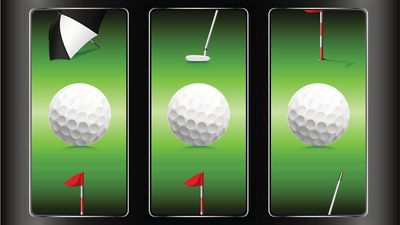
The Scientific Reason Why Playing Golf Is So Addictive (And How It Links To Slot Machines) Golfers don't just love the game - their brains are hooked on it. But why do we keep coming back? I researched the science behind the addictive nature of golf Golf Monthly · Aug 20
Psychology says people who always check how much time is left in a movie may experience anticipation differently Someone who repeatedly checks how much time is left in a movie may be experiencing the story through a slightly different psychological lens. They are not only following what happens on screen; they are also monitoring how much time remains and anticipating when the experience will end. The Economic Times · Aug 20
The Economic Times · Aug 20 PV Sindhu spotted with strange device on forehead at BWF World Championships 2026: What is Temple and how does it work? At the BWF World Championships, PV Sindhu debuted an innovative forehead device known as Temple. This unique gadget tracks both brain blood flow and oxygen levels. It was created by Deepinder Goyal, this experimental technology could empower athletes with crucial information about their training and recovery. However, Temple is not…
The Guardian - UK · Aug 20 There is nothing scientific about The Great ADHD Myth? ‘documentary’ Channel 4’s programme wastes a chance to ask important questions about how ADHD is diagnosed and treated, instead indulging in unscientific methods and conspiracy theories, says author Gina Rippon
Bored Panda · Aug 20 Daily Word Search Game #094 (Aug 20, 2026) Expand your vocabulary with today's Daily Word Search puzzle. Choose from Easy, Medium, or Hard difficulty levels and challenge yourself to find every hidden word in this fun and addictive word search game. New themed puzzles are added daily for word game and brain teaser fans alike. Entertainment
Tom’s Guide · Aug 20 Forget just rereading your notes — these 7 Gemini study hacks could make you a better student this school year As the back-to-school season comes into focus, I asked Gemini for the best methods to improve any student’s study routine—these 7 proved invaluable.
Times Life · Aug 20 Blood Sugar Fluctuations Without Diabetes Are Still Quietly Damaging Your Brain The spike-crash cycle your report calls normalA fasting glucose of 95 mg/dL looks fine on paper. But if that number climbs to 160 after a meal and drops to 72 two hours later, the brain is absorbing a punishment the report never records. Each spike triggers a surge of insulin.…
Medical Daily · Aug 19 A Bright Speck on His Brain Scan Was Calcium, and It Had Traveled from His Heart Valve A 33-year-old dialysis patient had a major stroke. The blockage was not a clot, and imaging traced the calcium back to his mitral valve.
The Conversation · Aug 19 New research shows how psychedelics reorganise the patterns in your brain One participant described “melding with the MRI machine, floor, walls and air”. Another described “losing all sense of self”, becoming at one with their surroundings. Half the participants in our study reported having one of the most meaningful experiences of their lives.
Medical Daily · Aug 19 A 1960s Psychedelic Was Rebuilt to Skip the Nausea, and Mice Got the Brain Benefits Anyway VCU chemists rebuilt the psychedelic quipazine to hit the brain receptor tied to antidepressant effects while skipping the gut receptor behind nausea.
LiveScience · Aug 19 Scientists just discovered a big limitation in lab-grown minibrains — they have a skewed 'sense of time' Miniature models of the brain don't seem to follow the same developmental timetable as real brains, which matters for research.
Bangkok Post · Aug 19 Lab-grown human brain cells ‘recorded passage of time’ PARIS - Peppercorn-sized clumps of human brain cells grown in a laboratory for a record seven years aged similarly to those inside our heads, suggesting they “recorded the passage of time”, scientists said on Wednesday.
The Economic Times · Aug 19 Psychology says people who still believe in superstitions aren't irrational: What this behavior reveals? Psychology says people who still believe in superstitions aren't necessarily irrational. Superstitions can help people manage uncertainty, reduce anxiety and feel a sense of control. Psychology links this behaviour to magical thinking, pattern recognition, reinforcement and confirmation bias. Rituals can provide comfort during stressful moments, but they should not replace…

















 Medical Daily
 The Independent UK
 Times Life
 Bored Panda
 The Conversation
 The Economic Times
 International Business Times UK
 The Guardian - UK
 The Times of India
 MyLifeXP
 Evening Standard
 The Guardian - US
