
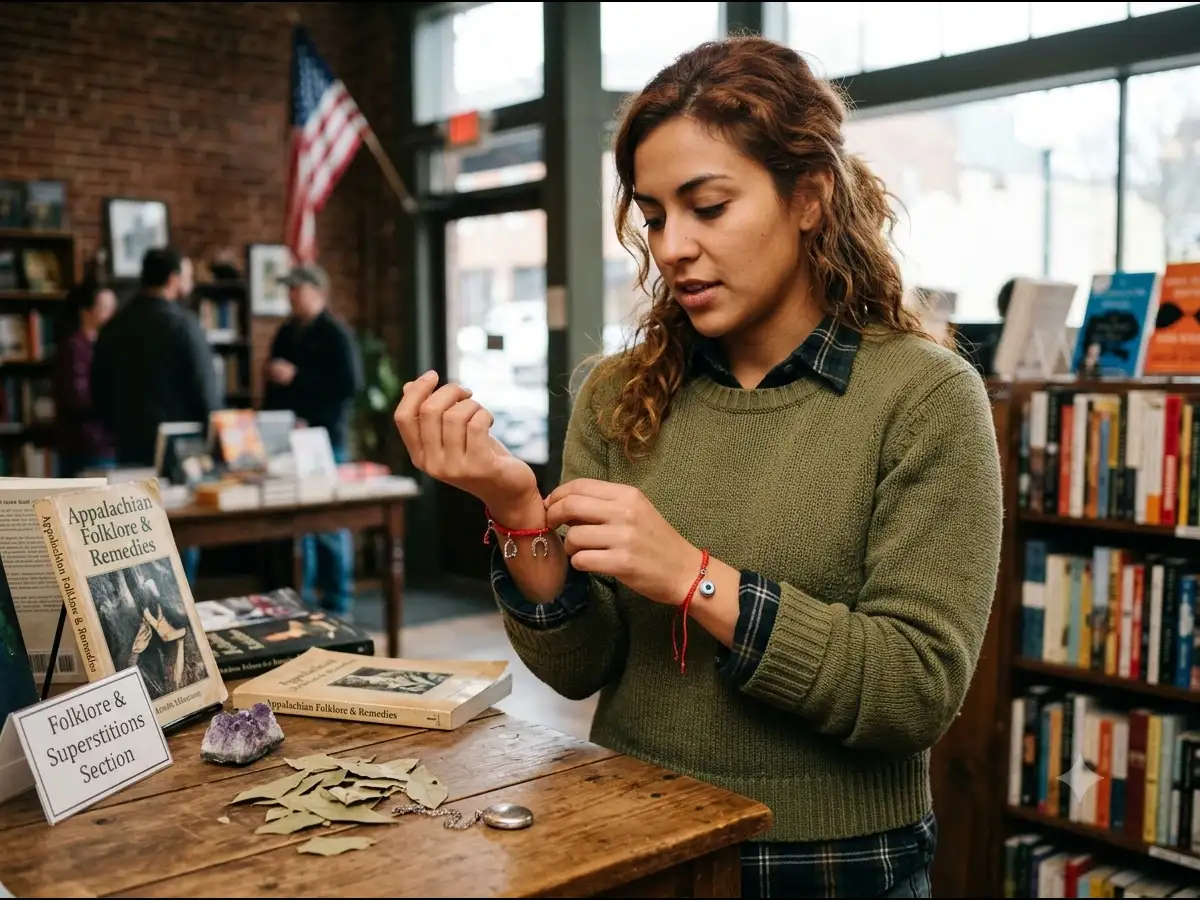
Psychology says people who still believe in superstitions aren't necessarily acting without reason. Beliefs about lucky numbers, charms, rituals and signs have existed across societies for a long time. People may follow these practices when they face uncertainty or fear about an outcome. A person may carry a lucky object before an examination, follow a routine before a game or avoid an action because it is considered unlucky. These behaviors can give people a sense of control when an outcome cannot be predicted. Psychology explains that such behavior can involve magical thinking, pattern recognition and learned associations rather than a lack of intelligence.












