Get all your news in one place.
100's of premium titles.
One app.
Start reading
The Economic Times
The Economic Times
Aastha Raj

GLP-1 users are suing over vision loss: What does the evidence really show?

While most the people who have been struggling with obesity has been opting for a medicated plan to reduce weight in an easier way, popular weight-loss drugs are facing new legal scrutiny in the United States.

Dozens of patients have filed personal injury lawsuits against drugmakers, according to ABC News. The plaintiffs claim they were not properly warned about a rare form of sudden vision loss.
The condition is called nonarteritic anterior ischemic optic neuropathy, or NAION. It happens when blood flow to the optic nerve is disrupted.

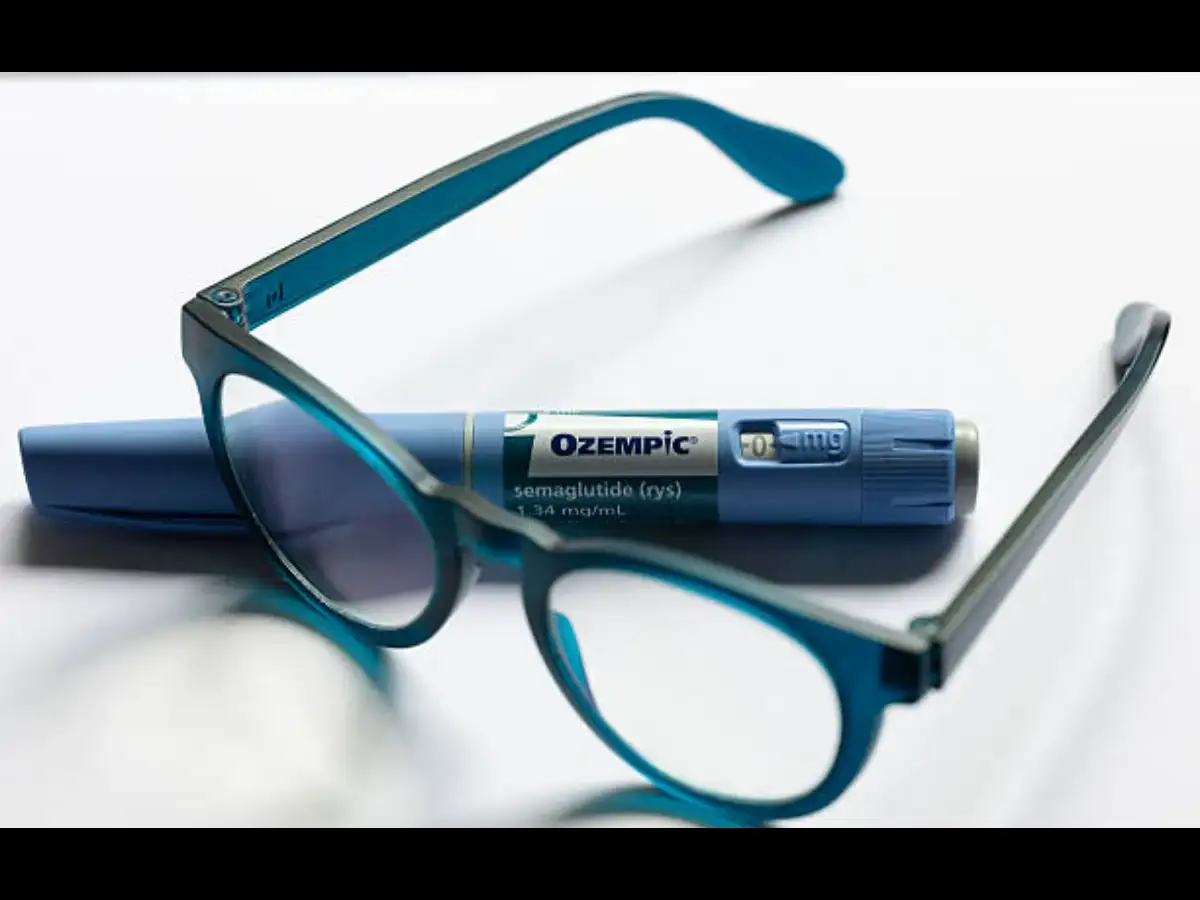
Ozempic and Wegovy contain semaglutide. Novo Nordisk manufactures both drugs. Mounjaro and Zepbound contain tirzepatide and are made by Eli Lilly.

Novo Nordisk told ABC News that it considers the lawsuits to be without merit. Eli Lilly said it continues to examine safety information and discuss potential concerns with regulators.

READ ALSO: Daylight Savings 2026 is ending: When does the time change in 2026? Americans get an extra hour of sleep in November

What GLP-1 users should know about NAION

NAION usually causes sudden and painless vision loss in one eye. The damage may be permanent. No treatment has been proven to restore vision lost from the condition.

Adults over 50 face a higher baseline risk. Diabetes is another known risk factor. Low blood pressure during sleep may also play a role.

Such factors make the research difficult to interpret. Many GLP-1 users already have diabetes or obesity. Both conditions may affect eye and cardiovascular health. A diagnosis in someone taking a GLP-1 drug does not automatically prove that the medication caused it.

What the GLP Vision loss research shows

Concern intensified after researchers at a Boston health system published a study in 2024. Their findings suggested a possible association between semaglutide prescriptions and NAION. Later studies produced mixed results. Some found a small increase in risk. Others found no clear relationship.

The American Academy of Ophthalmology says the overall risk appears low. Its clinical guidance also notes that the available evidence has not settled every question.

The FDA identified NAION as a potential safety signal for several GLP-1 medicines. A safety signal does not establish causation. It means regulators believe the issue deserves further examination.

READ ALSO: Full Harvest Moon rises this weekend but its real trick happens after the first night: Here's when to get the best view

Regulators have reached different decisions

European regulators reached a stronger conclusion about semaglutide. The European Medicines Agency classified NAION as a “very rare” side effect of semaglutide medicines.

The estimate is up to one case per 10,000 patients taking the drug. European product information was updated to reflect the finding.

Australia has also updated warnings for GLP-1 medicines. Its regulator advises patients to seek an eye examination after sudden vision loss.

American regulators continue to monitor the potential risk. Different regulatory decisions do not necessarily mean one agency is wrong. Agencies may review different evidence or apply different warning standards.

Should GLP-1 users stop treatment?

Patients should not stop a prescribed drug without speaking to their clinician. GLP-1 medicines can deliver important benefits. They help control blood sugar and support weight management. Certain products may also reduce serious cardiovascular risks.

Stopping treatment suddenly could allow an underlying condition to worsen. Anyone who has already experienced NAION should discuss the issue with an eye specialist and the prescribing clinician.

Sudden vision loss needs urgent medical attention. Other warning signs may include a dark area in the visual field or an unexplained drop in sight.

FAQs

Can GLP-1 drugs cause blindness?

Researchers have found a possible association with NAION. Causation has not been conclusively established for every GLP-1 medicine.

How common is NAION among GLP-1 users?

The EMA describes NAION linked to semaglutide as very rare. Its estimate is up to one case per 10,000 users.

Should patients stop taking Ozempic or Wegovy?

Patients should speak with their doctor first. Stopping a prescription without medical advice may carry separate health risks.

Sign up to read this article
Read news from 100's of titles, curated specifically for you.
Already a member? Sign in here
Related Stories
Top stories on inkl right now
One subscription that gives you access to news from hundreds of sites
Already a member? Sign in here
Our Picks
Fourteen days free
Download the app
One app. One membership.
100+ trusted global sources.