Two hundred years ago, the invention of Braille allowed blind people to read and write. By the 1930s, recorded sound made "talking books" possible. Developments in text-to-speech technology in the 1980s made reading more accessible and widespread. Then came personal computers, screen readers, smartphones, cameras, GPS, voice assistants, and myriad other technological advancements that gave blind people more independence.
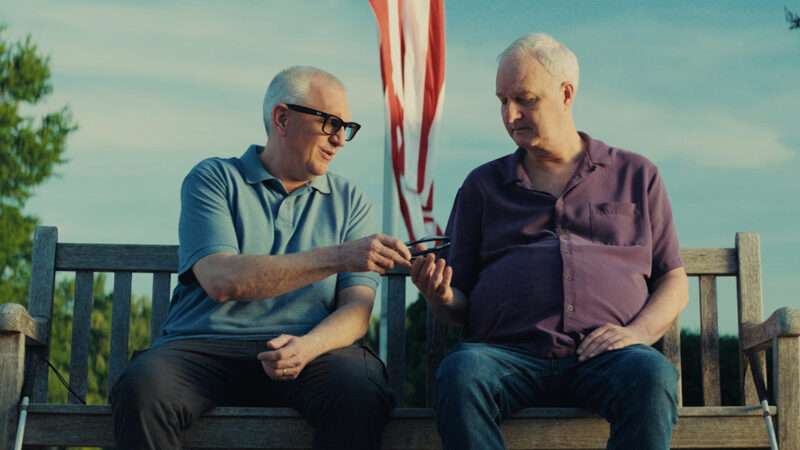
Now a pair of sunglasses can read your mail, describe the person in front of you, tell you what is on a restaurant menu, and help you find your way home. Meta, the parent company of Facebook, is using artificial intelligence to turn glasses into a hands-free companion. For any person, this technology is impressive. For the approximately 700,000 Americans who are blind, it is potentially life-changing.