Part science, part magic: an illuminating history of healing with light For millennia, humans had one obvious and reliable source of light – the Sun – and we knew the Sun was essential for our survival. The Conversation · Nov 6, 2024
Kristallnacht’s legacy still haunts Hamburg − even as the city rebuilds a former synagogue burned in the Nazi pogrom Johanna Neumann was 8 when she witnessed a mob of local citizens and Nazis vandalizing the Bornplatz Synagogue in Hamburg. They were “shouting and throwing stones at the marvelous glass windows,” as she later said in an oral history interview. Other students at the Jewish school nearby described a mountain… The Conversation · Nov 5, 2024
Maduro and His Crony Made Millions While Venezuelan Children Starved Venezuela is governed not only by a brutal dictatorship, but by a band of depraved criminals who have enriched themselves in part by stealing money intended to buy food for hungry children. Reason · Oct 25, 2024
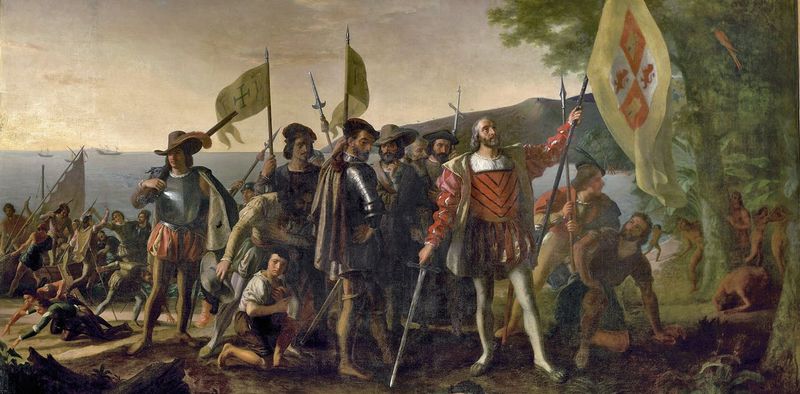
Debates about Columbus’ Spanish Jewish ancestry are not new − the claim was once a bid for social acceptance In connection to Columbus Day and Indigenous Peoples Day, media from the BBC and Fox to Reuters and Haaretz reported on new DNA evidence about the holiday’s original namesake. According to research revealed in a recent Spanish documentary, Christopher Columbus was not Italian, as widely assumed, but Sephardic: of Spanish… The Conversation · Oct 25, 2024
Israel’s ‘generals’ plan’ to clear Palestinians from north of Gaza could pave the way for settlers to return Western political leaders were quick to argue that the killing of Hamas leader, Yahya Sinwar, on October 17 presented a window of opportunity. Perhaps the decapitation of the militant group’s senior command would be a chance for renewed ceasefire talks and the release of the Israeli hostages. The Conversation · Oct 25, 2024
Exile, resistance and cactus pears: two Australian writers’ depictions of Palestinian life weave a powerful tapestry of stories While Hasib Hourani’s Rock Flight and Samah Sabawi’s Cactus Pear for My Beloved are both books by Australian writers that speak of the Palestinian experience, they could not be more different. The Conversation · Oct 21, 2024
'The waters become corrupt, the air infected': How the ancient Greeks and Romans viewed pollution and what they did about it Here's what the ancient Greeks and Romans can teach us about the environment and ourselves. From Roman soldiers in crowded camps to emperors cleaning up rivers, there are many lessons to be learned. LiveScience · Oct 20, 2024
The Abandonment Of This Early City Might Be Less Mysterious Than Many Think Why abandon and dense and robust town? For early civilization the answer might lie in city planning — and disease. Inverse · Oct 19, 2024
During the American Revolution, Brits weren’t just facing off against white Protestant Christians − US patriots are diverse and have been since Day 1 In 1770, Barnard Gratz of Philadelphia wrote to a friend complaining about a recent speech by King George III. Gratz, an American patriot, wrote that the speech “was such narishkeit” that it was “not worth the postage.” The Conversation · Oct 18, 2024
32 physics experiments that changed the world From the discovery of gravity to the first mission to defend Earth from an asteroid, here are the most important physics experiments that changed the world. LiveScience · Oct 18, 2024
‘The waters become corrupt, the air infected’: here’s how Ancient Greeks and Romans grappled with environmental damage Today the perilous state of the environment is often in the news. Many stories describe how Earth is being damaged by human beings and discuss ways to prevent this. The Conversation · Oct 17, 2024
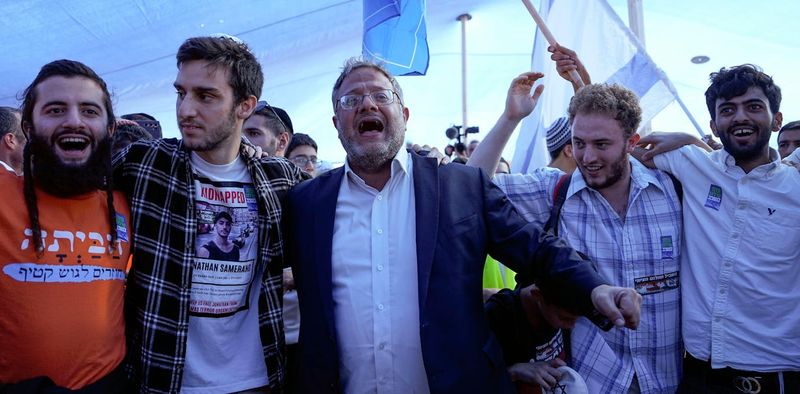
What is Chabad-Lubavitch? A Jewish studies scholar explains If you live anywhere near New York – or anywhere in the world, really – you may have seen a picture of Rabbi Menachem Mendel Schneerson. Yellow posters of the rabbi’s face are stuck to lampposts or streetlights: an elderly man with a long white beard and black hat. The Conversation · Oct 16, 2024
Socially distanced layout of the world’s oldest cities helped early civilization evade diseases In my research focused on early farmers of Europe, I have often wondered about a curious pattern through time: Farmers lived in large dense villages, then dispersed for centuries, then later formed cities again, only to abandon those as well. Why? The Conversation · Oct 15, 2024
Rain may have helped form the first cells, kick-starting life as we know it Billions of years of evolution have made modern cells incredibly complex. Inside cells are small compartments called organelles that perform specific functions essential for the cell’s survival and operation. For instance, the nucleus stores genetic material, and mitochondria produce energy. The Conversation · Oct 15, 2024
The Independent UK · Oct 13, 2024 Nerf darts, porn and vomit: The company Microsoft bought for $69bn Microsoft acquired Blizzard in 2022 for $68.7bn, making it the largest acquition in the history of the video games industry. A new book dives into the company before that record-breaking deal, writes Graig Graziosi
The Conversation · Oct 8, 2024 What are the limits of free speech? We may have arrived at them Political operatives on the far right have long spoken about their ambition to shift the “Overton window”. The aim is to “mainstream” ideas long considered unthinkable, through gradual, step-by-step radicalisation and repetition – especially on hot-button issues such as immigration, sexuality, race and identity.
The Conversation · Oct 4, 2024 UK hands Chagos Islands to Mauritius, marking the end of a longstanding sovereignty dispute The UK government has announced that it will transfer sovereignty of a remote cluster of islands in the Indian Ocean to Mauritius. The final treaty outlining the transfer of the Chagos Islands, where there is a significant US military base, is expected to be announced in the coming months.
The Conversation · Oct 3, 2024 In ‘Nobody Wants This,’ rom-com gets century-old tropes with a new twist – the cute rabbi Twenty years ago, the television show “The O.C.” invented the word “Chrismukkah.” Main character Seth Cohen, played by Adam Brody, described his interfaith family’s December tradition of “eight days of presents followed by one day of lots of presents.”
The Conversation · Oct 2, 2024 Accept our king, our god − or else: The senseless ‘requirement’ Spanish colonizers used to justify their bloodshed in the Americas Across the United States, the second Monday of October is increasingly becoming known as Indigenous Peoples Day. In the push to rename Columbus Day, Christopher Columbus himself has become a metaphor for the evils of early colonial empires, and rightly so.
The Conversation · Oct 1, 2024 You can count female physics Nobel laureates on one hand – recent winners have wisdom for young women in the field Out of 225 people awarded the Nobel Prize in physics, only five have been women. This is a very small number, and certainly smaller than 50% – the percent of women in the human population.
Creative Bloq · Sep 30, 2024 This baffling optical illusion makes me question if I'm seeing straight And we're still not sure why it happens.
The Conversation · Sep 29, 2024 Artists, social climbers and mermaids: 10 Australian women who followed their dreams to the US in the early 20th century Why would early 20th-century Australian women travel across the Pacific to the United States? And if they left, why wouldn’t they go to England, the “mother country”, where there was a proper cup of tea? The US was no feminist utopia. It did not give federal voting rights to women…
LiveScience · Sep 27, 2024 Did Romans battle rhinos in the Colosseum? A historian explains the truth behind the fight scenes in Ridley Scott’s Gladiator II. The Romans are famous for their battles in the Colosseum, but how accurate are the scenes portrayed there in the new movie "Gladiator II"?
The Conversation · Sep 25, 2024 The Sorrows of Young Werther at 250: Goethe’s dangerous romantic hero influenced fashion, fiction – and Napoleon In our Guide to the Classics series, experts explain key works of literature.
The Independent UK · Sep 23, 2024 Revealing the long-lost secrets of the real First World War – more than 3,000 years ago How archaeologists are investigating a major European battle fought over 32 centuries ago