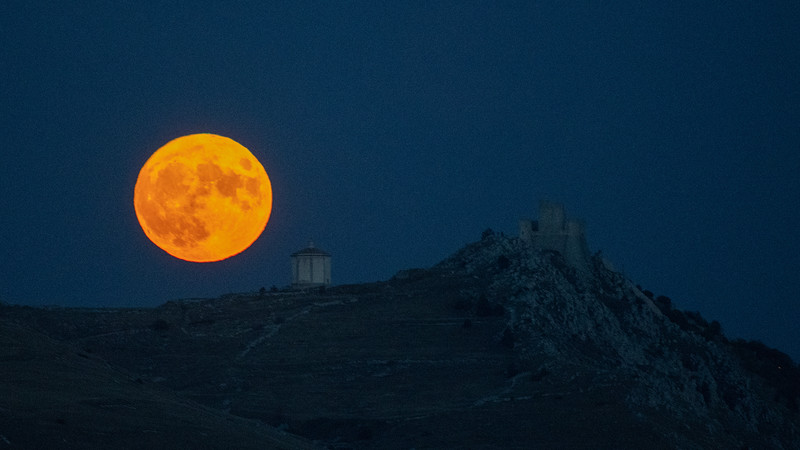
Harvest Moon 2025: How to watch a rare October supermoon rise tonight The famous Harvest Moon — the first of three supermoons of 2025 — will be the first full moon of autumn when it rises tonight (Oct. 6-7). LiveScience · Oct 3, 2025
Anthropologists make 'ant yogurt' from centuries-old recipe, serve it as an 'ant-wich' at Michelin-star restaurant Researchers have revealed how adding a handful of live ants to warm milk can create yogurt. LiveScience · Oct 3, 2025
Don't use cannabis during pregnancy or breastfeeding, leading OBGYN group says The American College of Obstetricians and Gynecologists recommends that mothers abstain from cannabis use during prepregnancy, pregnancy and lactation, as research shows the drug is linked to serious health outcomes in newborns. LiveScience · Oct 3, 2025
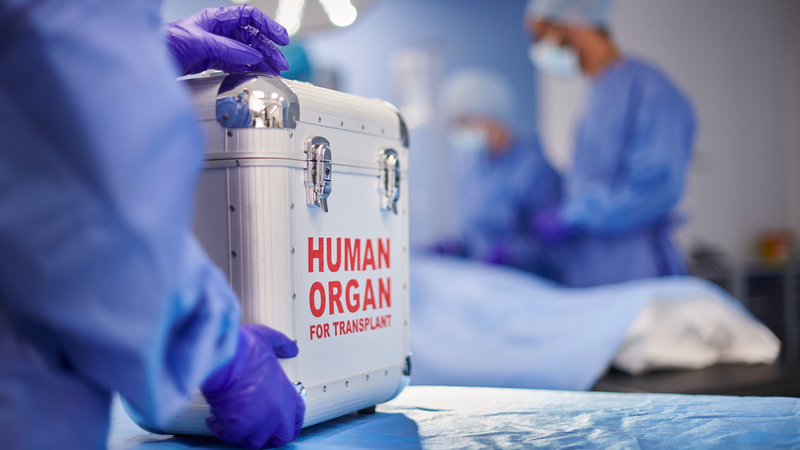
Scientists convert a kidney from blood type A to universal type O and implant it in a brain-dead recipient Scientists move one step closer to "universal" donor organs with a successful kidney transplant in a brain-dead patient. LiveScience · Oct 3, 2025
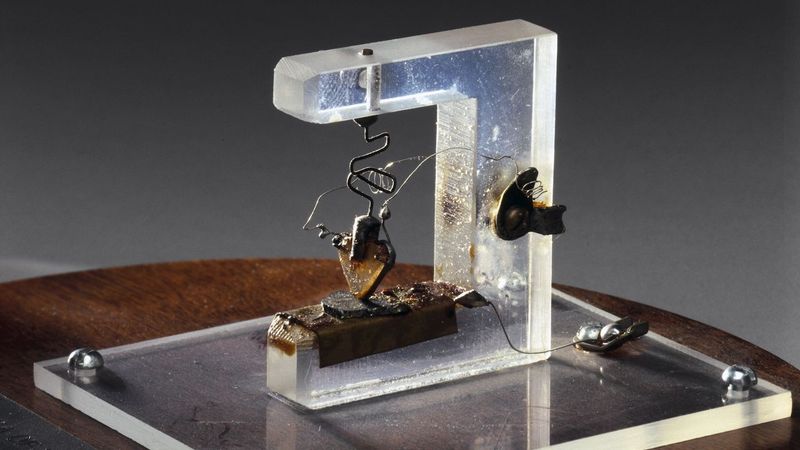
Science history: Invention of the transistor ushers in the computing era — Oct. 3, 1950 On Oct. 3, 1950, three Bell Labs scientists received a patent for a "three-electrode circuit element" that would usher in the transistor age and the era of modern computing. LiveScience · Oct 3, 2025
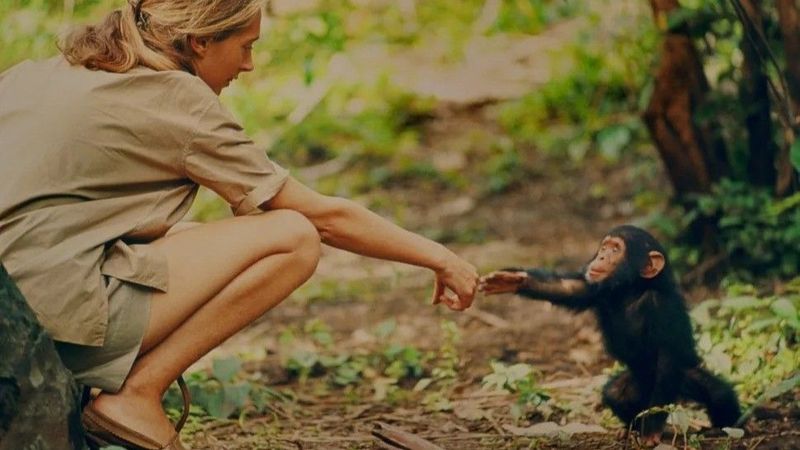
From tool use to warfare — here are 5 ways Jane Goodall revolutionized our knowledge of chimpanzees Pioneering primatologist Jane Goodall has died at age 91. These are her five biggest contributions to how we understand about our closest living relatives. LiveScience · Oct 2, 2025
Divers recover more than 1,000 gold and silver coins from 1715 'Treasure Fleet' shipwreck in Florida Salvage work on the 1715 shipwrecks brought over 1,000 coins to the surface this summer. LiveScience · Oct 2, 2025
HPV vaccination drives cervical cancer rates down in both vaccinated and unvaccinated people Researchers have found that human papillomavirus (HPV) vaccines are highly effective at reducing cervical cancer-causing infections and can offer herd immunity, reinforcing previous research and highlighting the need for a global HPV vaccine rollout. LiveScience · Oct 2, 2025
Wildfire-smoke-related deaths in the US could climb to 70,000 per year by 2050 due to climate change, study finds The number of deaths from exposure to wildfire smoke in the U.S. could rise by more than 70% in the next 25 years. The human and economic costs involved would be astronomical, researchers say. LiveScience · Oct 2, 2025
Scientists find best evidence yet that icy moon Enceladus is habitable An ocean flowing beneath the surface of Saturn's moon Enceladus is spewing ice that holds the building blocks of life. LiveScience · Oct 2, 2025
Chimps eat fruit full of alcohol, but no, they don't get drunk Chimps' ability to metabolize fermented fruit could explain our own predilection for alcohol. LiveScience · Oct 2, 2025
Newly discovered comet 'Lemmon' may be visible to the naked eye this month — but it will look more like a lime Comet Lemmon, discovered earlier this year, will make a close approach to Earth later this month, giving skywatchers the chance to see its surprising lime-green glow. LiveScience · Oct 2, 2025
Chinese tech company develops creepy ultra-lifelike robot face — watch it blink, twitch and nod A Chinese robotics company has unveiled what it describes as a realistic robot face, with plans to make humanoid robots more approachable and relatable. LiveScience · Oct 2, 2025
The Panama Canal needs a staggering amount of water to operate. Climate change could threaten that, study warns The vital commercial artery depends on a supply of fresh water to move ships between the two oceans. Drought conditions that were once rare could become common by the end of the century, greatly impacting the canal’s operation. LiveScience · Oct 2, 2025
LiveScience · Oct 1, 2025 Jane Goodall, famed primatologist who discovered chimpanzee tool use, dies at 91 Dame Jane Goodall, the world's preeminent chimpanzee expert, died of natural causes.
LiveScience · Oct 1, 2025 Bering Land Bridge emerged much later than we thought it did, new study finds The Bering Land Bridge likely didn't emerge until around 35,000 years ago, much later than was previously thought. This narrows the window of when humans could have crossed over to North America.
LiveScience · Oct 1, 2025 Yosemite's glaciers have survived 20,000 years — but we could be the first people to see Sierra Nevada ice-free New research finds the disappearance of glaciers in the Sierra Nevada will be unprecedented in the human history of North America.
LiveScience · Oct 1, 2025 Scientists created human egg cells from skin cells — then used them to make embryos In a proof-of-concept experiment, scientists demonstrated that you can create and fertilize human eggs in the lab using sperm, genes from skin cells, and the "shells" of existing egg cells.
LiveScience · Oct 1, 2025 Years of repeated head impacts raise CTE risk — even if they're not concussions Years of hits in sports like football and soccer, even without concussions, can trigger neuron loss and inflammation in the brain, a study finds.
LiveScience · Oct 1, 2025 Mysterious 160 million-year-old creature unearthed on Isle of Skye is part lizard, part snake Researchers have discovered a mysterious ancient lizard with snake-like teeth in Scotland. Breugnathair elgolensis is one of the oldest relatively complete lizard fossils and helps scientists better understand the origins of snakes in the Jurassic period.
LiveScience · Oct 1, 2025 'Midnight' eVTOL smashes its own record in latest test flight — bringing us closer to operational flying taxis Archer Aviation's Midnight eVTOL can now cruise at altitudes of 7,000 feet at speeds of 120 miles per hour.
LiveScience · Oct 1, 2025 A 'Great Wave' is rippling through our galaxy, pushing thousands of stars out of place A giant 'wave' is rippling through the Milky Way, pushing thousands of stars across the galaxy, and scientists don't know what triggered it.
LiveScience · Oct 1, 2025 Diagnostic dilemma: A woman got unusual bruising from a massage gun. It turned out she had scurvy. A woman bruising her leg with a massage gun set off a medical odyssey that revealed scurvy, a disease seen fairly rarely in modern America.
LiveScience · Oct 1, 2025 'I honestly am not sure on this at all': Poll reveals public uncertainty over experimenting on conscious lab-grown 'minibrains' Hundreds of readers responded to our poll asking if it would be OK to experiment on lab-grown "brains" if they became conscious.
LiveScience · Sep 30, 2025 Vlad the Impaler: The medieval prince who inspired Dracula Vlad the Impaler was a medieval prince whose bloodthirsty acts inspired the world's most famous vampire, Bram Stoker's Dracula.