Get all your news in one place.
100's of premium titles.
One app.
Start reading
LiveScience
LiveScience
Sophie Berdugo

From tool use to warfare — here are 5 ways Jane Goodall revolutionized our knowledge of chimpanzees

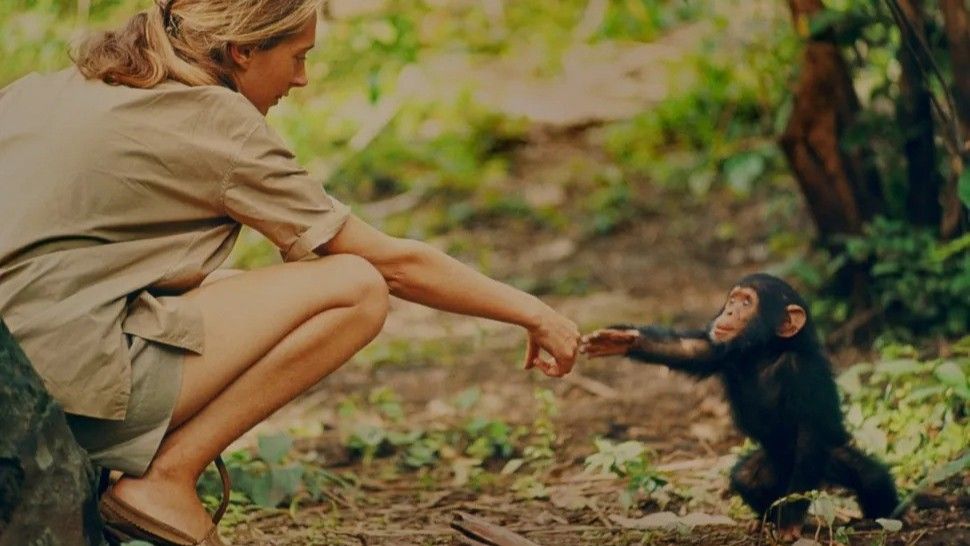
Jane Goodall and the infant chimpanzee Flint in Gombe, Tanzania. Flint, the first chimpanzee infant born after Jane's arrival, offered her a rare opportunity to study the animals' development, although physical contact with wild chimpanzees is no longer considered ethical.

When Jane Goodall stepped off her boat into what is now Gombe National Park in Tanzania on July 14, 1960, she began a journey that would change science forever.

Armed with her notepad and binoculars, Goodall perched far away from the chimpanzees (Pan troglodytes) she had been sent to observe and worked to gradually build their trust. This patience gave the chimps time to "habituate" — the process whereby wild animals acclimatize to human presence to the point that they start to behave normally around them.
Sign up to read this article
Read news from 100's of titles, curated specifically for you.
Already a member? Sign in here
Related Stories
Top stories on inkl right now
One subscription that gives you access to news from hundreds of sites
Already a member? Sign in here
Our Picks
Fourteen days free
Download the app
One app. One membership.
100+ trusted global sources.