Get all your news in one place.
100's of premium titles.
One app.
Start reading
MyLifeXP
MyLifeXP
Lifestyle
Palak Khanna

5 Healthy Foods People Eat Too Much of Without Realizing It

For years, people have been taught to swap chips for nuts, desserts for fruit, and sugary breakfasts for smoothie bowls. While these choices are undeniably better for overall health, the word "healthy" can sometimes create a false sense of security. Nutrition experts often point out that calories, sugar, and fats do not magically disappear simply because a food carries a wellness halo. Social media trends, oversized serving suggestions, and mindless snacking can all make it surprisingly easy to eat more than our bodies actually need. The good news is that these foods are not villains. They remain excellent additions to a balanced diet. The key lies in understanding portion sizes and enjoying them mindfully.

Nuts: Tiny Powerhouses That Add Up Quickly

Nuts Are Healthy, But Portion Sizes Matter More Than You Think
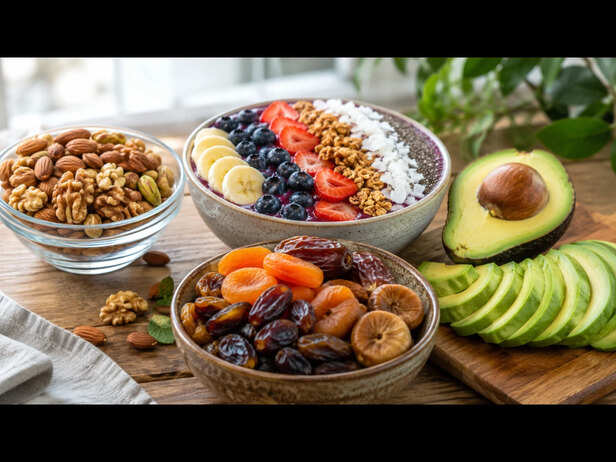
A handful of almonds, walnuts, or pistachios delivers healthy fats and protein, but frequent oversized portions can quietly add hundreds of extra calories to your day.

Almonds, walnuts, pistachios, and cashews are packed with nutrients. They provide protein, fiber, healthy fats, vitamin E, and antioxidants that support heart and brain health. The problem is that nuts are incredibly calorie dense. A small handful can contain around 150 to 200 calories, depending on the variety. What starts as a quick snack can easily turn into several handfuls while watching television, working at a desk, or chatting with friends. Many people also assume that because nuts are considered "good fats," quantity does not matter. In reality, consuming large portions regularly can contribute to unintended weight gain. A better approach is to pre-portion nuts into small containers or stick to about 28 grams, which is roughly one handful. This allows you to enjoy their benefits without unknowingly doubling or tripling your intake.

Smoothie Bowls: A Breakfast That Can Rival Dessert

Smoothie bowls have become a symbol of wellness culture. They look colorful, refreshing, and Instagram-worthy. But appearances can sometimes be deceiving. Many smoothie bowls contain multiple bananas, mangoes, berries, nut butter, granola, honey, chia seeds, coconut flakes, and sweetened yogurt. While each ingredient offers nutritional value, together they can push a breakfast well beyond 700 calories. Another concern is satiety. Drinking or blending fruit may not keep people full as long as eating whole fruits because chewing itself contributes to feelings of fullness. Instead of piling on every trendy topping, consider limiting additions to one source of healthy fat, one protein source, and a modest serving of granola. Balancing sweetness with protein can help stabilize energy levels throughout the morning.

Avocados: Healthy Fats Still Count

Avocados Are Nutrient-Rich, Yet Easy to Overeat
Loaded with fiber and heart-friendly fats, avocados are a smart addition to meals, though eating whole avocados regularly can increase calorie intake more than expected.

Avocados have become a staple ingredient in modern kitchens. They are creamy, satisfying, and loaded with monounsaturated fats, potassium, and fiber. Yet many recipes casually call for an entire avocado, leading people to believe that eating one every day in large quantities is always beneficial. A medium avocado contains roughly 240 calories. Combined with toast, eggs, olive oil drizzles, or other toppings, the calorie count can rise significantly. This does not mean avocados should be avoided. In fact, they can support heart health and help people feel satisfied after meals. However, using half an avocado or slicing smaller portions into salads can often provide the same enjoyment while keeping meals more balanced.

Dried Fruits: Nature's Candy in Disguise

Dried Fruits: Natures Sweet Snack That Deserves Portion Control
Dates, raisins, and apricots offer vitamins and minerals, but their concentrated natural sugars make it surprisingly easy to consume several servings in just a few bites.

Dried fruits such as raisins, dates, figs, and apricots are often marketed as wholesome alternatives to candy. They contain vitamins, minerals, and natural sugars, making them an appealing snack. The challenge lies in concentration. Removing water shrinks the fruit, allowing people to eat the equivalent of several servings in just a few bites. For example, a cup of grapes feels substantial and filling, but a handful of raisins contains nearly the same amount of sugar in a much smaller volume. It becomes easy to keep reaching for more without noticing. Pairing dried fruit with protein sources like plain yogurt or nuts can improve fullness and prevent blood sugar spikes. Measuring portions beforehand also helps avoid accidental overeating.

Granola: The Sneaky Calorie Bomb

Granola has long enjoyed a reputation as a health-conscious breakfast staple. Oats, nuts, seeds, and dried fruits sound like the perfect combination for a nutritious start to the day. However, store-bought varieties frequently contain added sugars, oils, syrups, and chocolate pieces. A serving size is often just a quarter cup, yet many people pour two or three times that amount into bowls without thinking twice. The result can be a breakfast that delivers more calories than expected while offering less protein than alternatives like eggs or Greek yogurt. Reading labels and using measuring cups can make a noticeable difference. Homemade granola with less sweetener is another smart option for those who enjoy the crunch without the extra sugar.

Healthy Doesn't Always Mean Unlimited

Nutritious foods deserve their place on our plates, but they should not be treated as free-for-all options. Even foods celebrated for their vitamins, fiber, and healthy fats can become problematic when portions quietly creep upward. Building healthier habits does not require giving up favorite wellness staples. It simply means paying attention to serving sizes, eating mindfully, and remembering that balance remains one of the most powerful tools in nutrition. A handful of nuts, a modest smoothie bowl, or half an avocado can still nourish the body effectively. Sometimes, the difference between supporting wellness and sabotaging progress comes down to a few extra spoonfuls.

Unlock insightful tips and inspiration on personal growth, productivity, and well-being. Stay motivated and updated with the latest at My Life XP.

Sign up to read this article
Read news from 100's of titles, curated specifically for you.
Already a member? Sign in here
Related Stories
Top stories on inkl right now
One subscription that gives you access to news from hundreds of sites
Already a member? Sign in here
Our Picks
Fourteen days free
Download the app
One app. One membership.
100+ trusted global sources.


