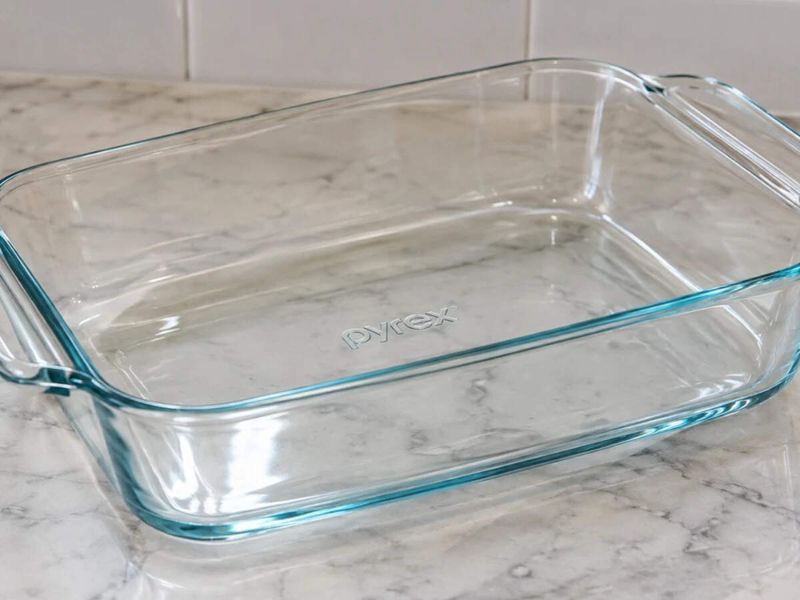
In 1913, a Corning physicist baked a cake in a cut-down railway-lantern glass jar; the experiment helped lead to heat-resistant cookware
In the early 1900s, the invention of heat-resistant glass marked a significant advancement, initially intended to safeguard railway lanterns from damage due to thermal shock. This remarkable creation serendipitously led to the formulation of PYREX cookware after a 1913 baking trial. Scientists at Corning fine-tuned this glass and launched a…

The Economic Times ·









 Homes & Gardens
 Bored Panda
 The Guardian - UK
 Evening Standard
 Ideal Home
 Real Homes
 Budget and the Bees
 Clever Dude
 Chronicle Live
 Fortune
 GOBankingRates
 Irish Mirror


