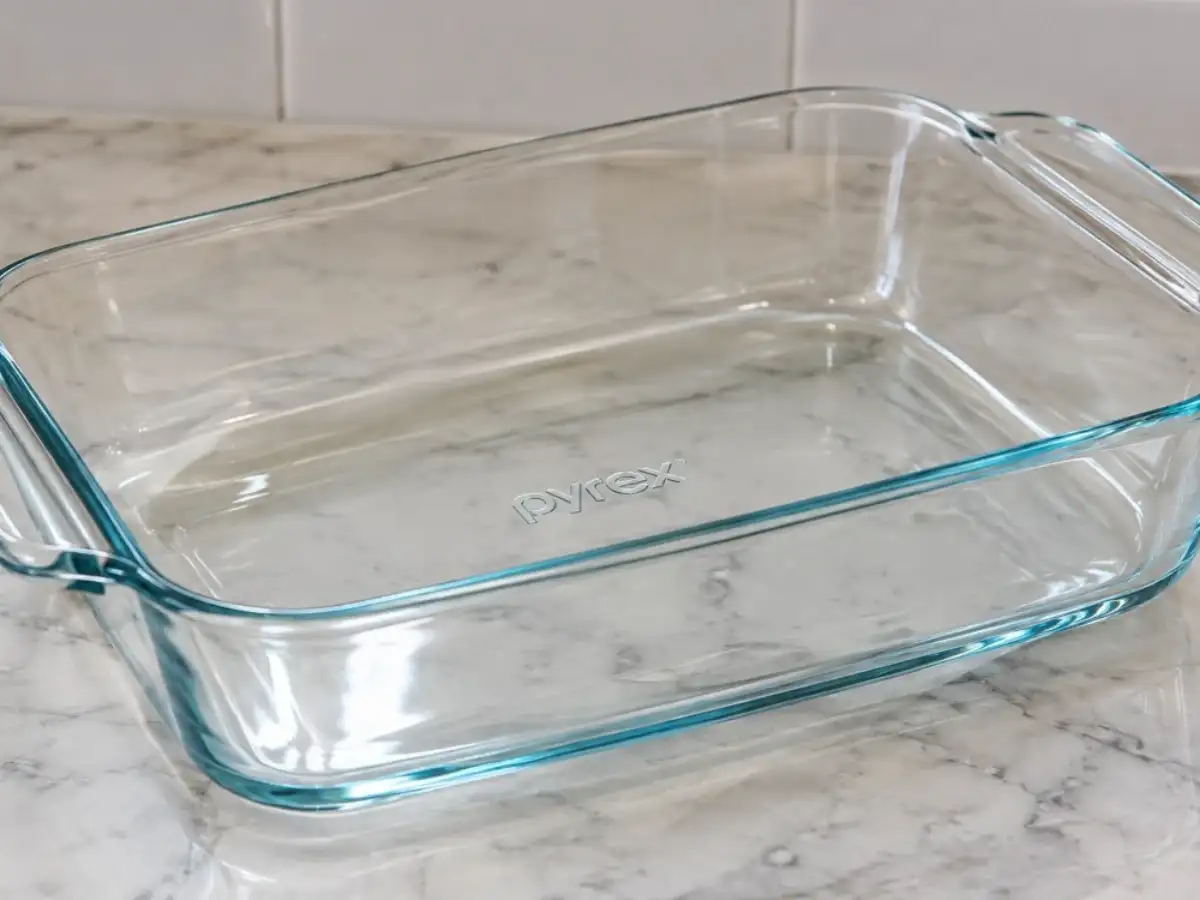
The origins of one of America’s best-known cookware brands began with a railroad safety challenge rather than a kitchen problem. One well-known American cookware company was not created because of any cook or any housewife; rather, it was engineers who wanted to solve a railroad safety problem. Let’s go back to the beginning of the 20th century when Corning scientists invented a heat-resistant glass that was able to protect railway signal lamps against possible breakage due to quick temperature changes. The invention proved to be extremely efficient, and demand for replacement lamps decreased. The National Inventors Hall of Fame explains how this quest led Eugene Sullivan and fellow scientist William C. Taylor to develop Pyrex cookware, transforming an industrial glass innovation into one of the most familiar products in American kitchens.
From railroad safety to an unexpected kitchen experiment