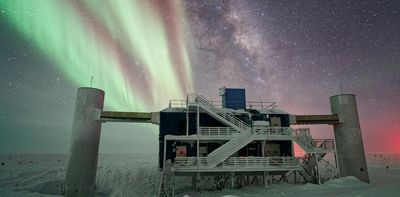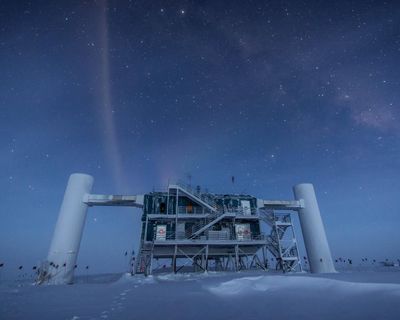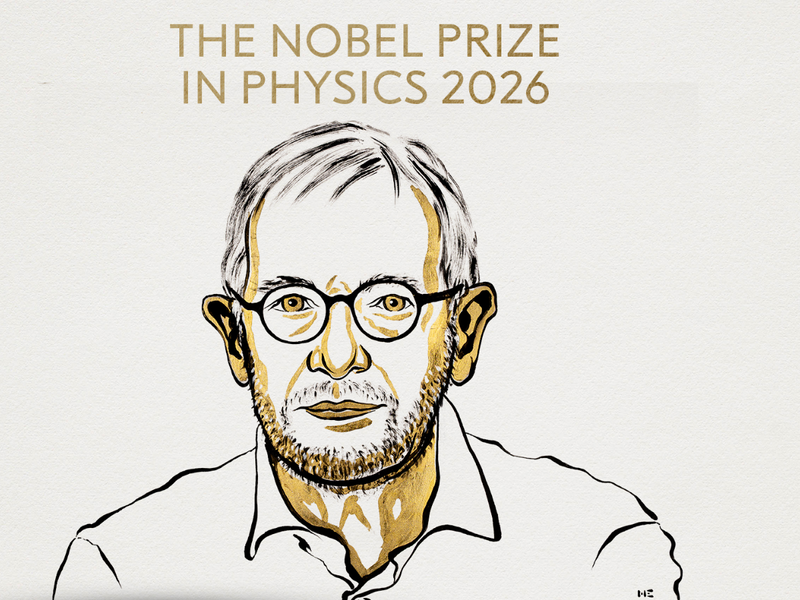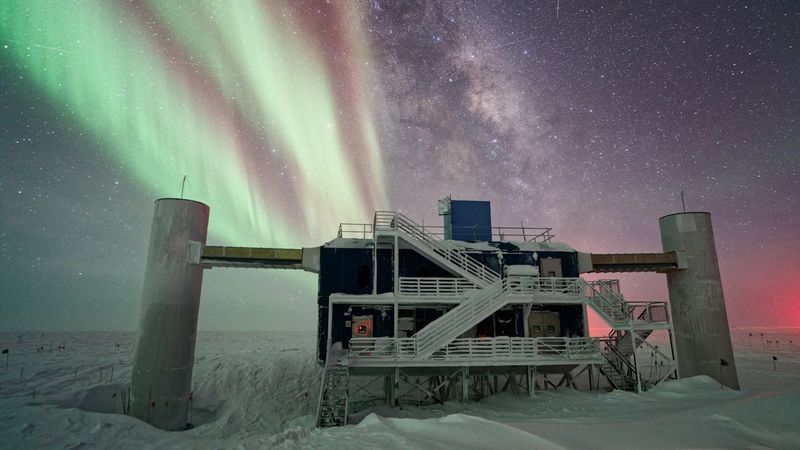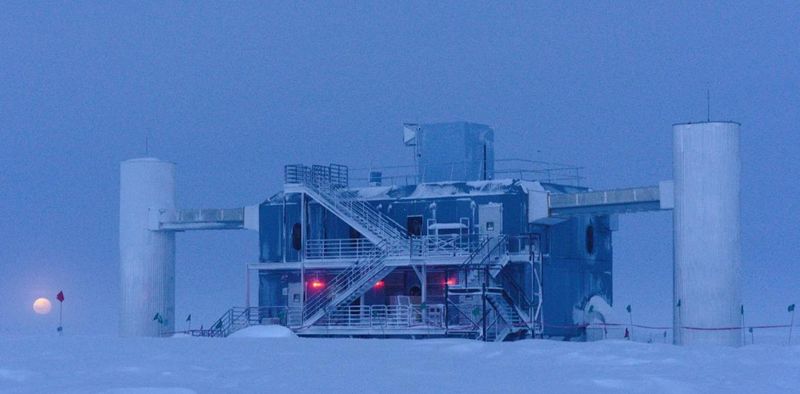
Nobel prize in physics goes to Francis Halzen for south pole work on neutrinos Belgian physicist praised for work on the IceCube detector that observes the ghost-like particles in Antarctica The Guardian - UK · 2h ago
Nobel Prize in Physics 2026 awarded to Francis Halzen for work on ghost-like cosmic messengers Francis Halzen has won the 2026 Nobel Prize in Physics for his pioneering work on the IceCube Neutrino Observatory and the discovery of high-energy astrophysical neutrinos. His work helped turn Antarctic ice into a vast particle detector, allowing scientists to trace elusive neutrinos back to some of the universe’s most… The Economic Times · 2h ago
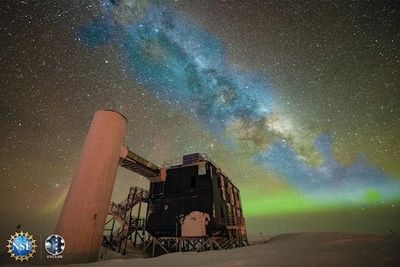
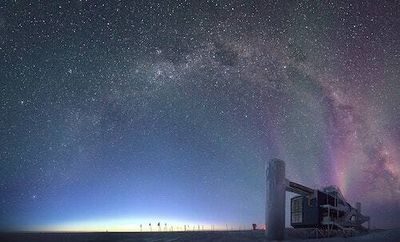
Antarctica 'ghost particle' observatory gets major upgrade that could 'pave the way' to physics breakthroughs The National Science Foundation's massive IceCube neutrino detector at the South Pole just got a major new upgrade, which promises to take the search for "ghost particles" to a new level. LiveScience · Feb 12
What is it? IceCube: The big, chill neutrino-spotter What is it? IceCube: The big, chill neutrino-spotter The Hindu · Mar 19, 2024
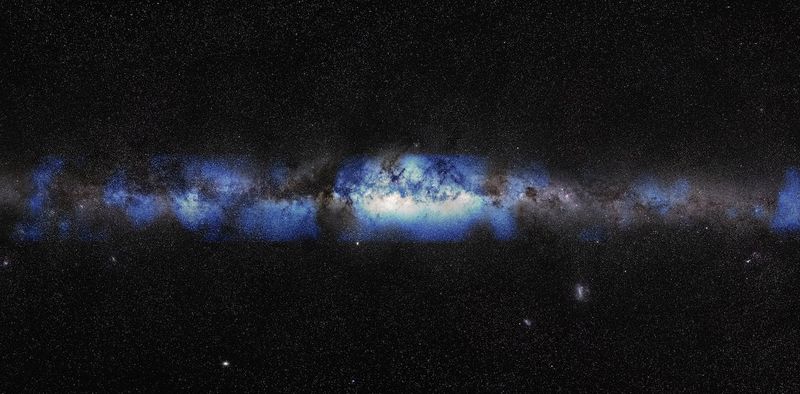
IceCube neutrino detector in Antarctica spots first high-energy neutrinos emitted in our own Milky Way galaxy The South Pole IceCube Neutrino Observatory – the biggest and strangest telescope in the world – has detected the first neutrino emissions from within the Milky Way, an achievement that will shape how astronomers view our galaxy. The Conversation · Jun 29, 2023
Astronomers Just Detected An Important High-Energy Particle In the Milky Way for the First Time The IceCube Neutrino Observatory in Antarctica discovered neutrino signatures from the Milky Way for the first time. Inverse · Jun 29, 2023
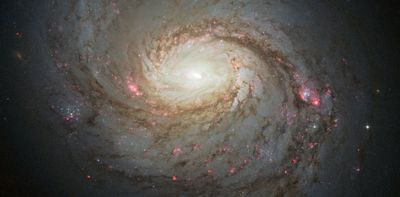
Antarctic ice catches neutrinos from a distant black hole The IceCube observatory detected 80 of the elusive particles from the heart of spiral galaxy NGC 1068, also called the Squid Galaxy. Inverse · Nov 11, 2022
An Antarctic neutrino telescope has detected a signal from the heart of a nearby active galaxy An enormous neutrino observatory buried deep in the Antarctic ice has discovered only the second extra-galactic source of the elusive particles ever found. The Conversation · Nov 4, 2022