
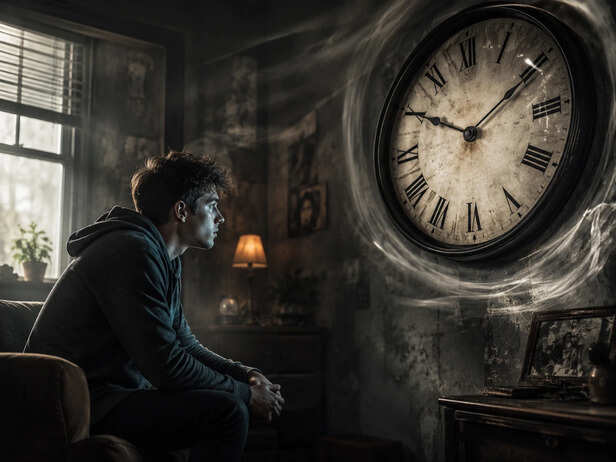
Everyone has experienced it at some point. Waiting for medical test results, sitting through a tense conversation, enduring physical pain, or facing an unexpected crisis can make minutes feel unbearably long. In contrast, joyful vacations, celebrations, and meaningful conversations often seem to pass in the blink of an eye. This strange distortion of time is not an illusion in the traditional sense. The clock keeps moving at the same pace, but our brains interpret the passage of time differently depending on our emotional state. Scientists, psychologists, and neuroscientists have spent decades studying why difficult moments seem to stretch endlessly. Their findings reveal a fascinating connection between attention, emotion, memory, and survival.





