
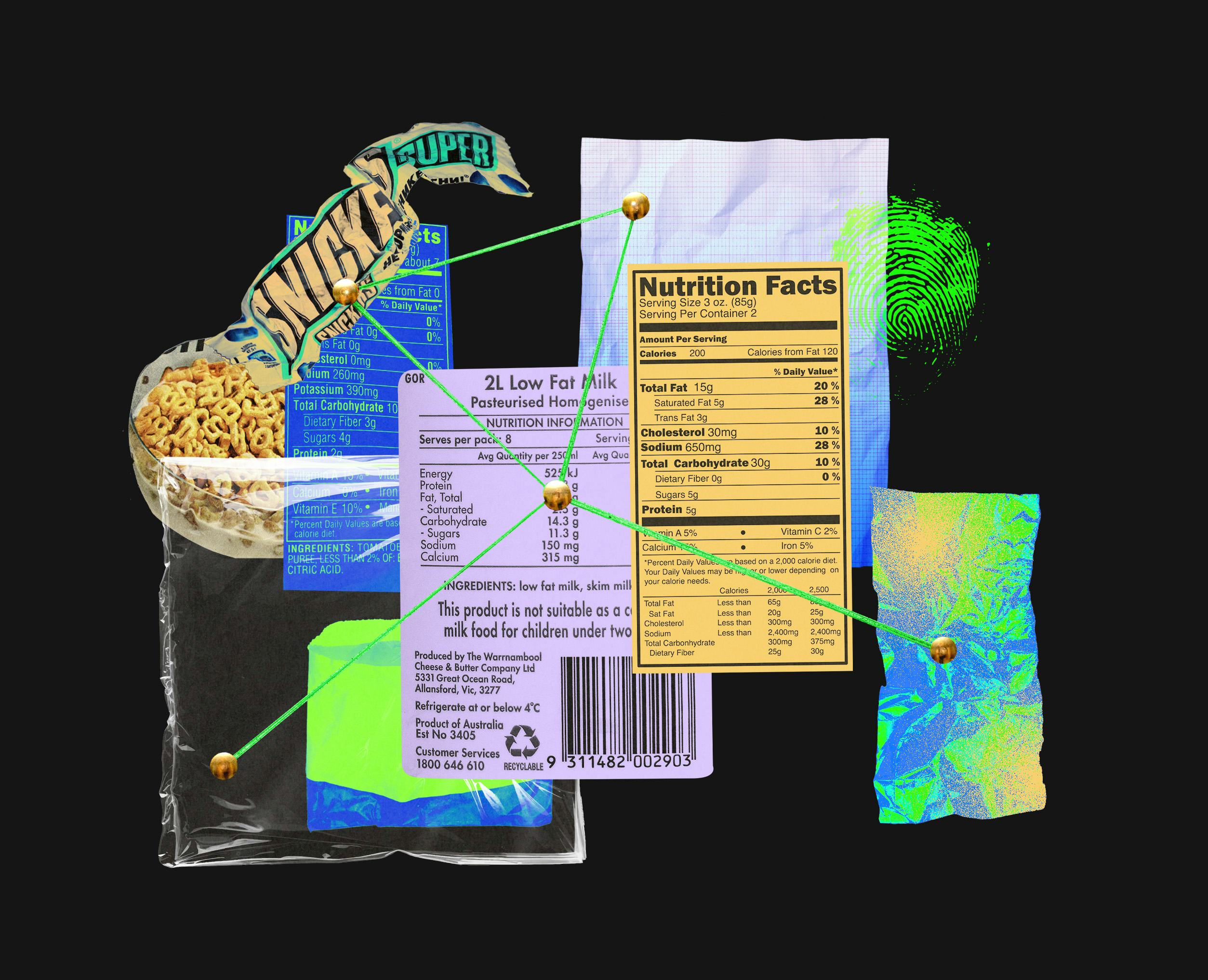
Since nutrition-facts labeling was first introduced by the Food & Drug Administration (FDA) in 1973, the back of the box has been a controversial space. Countless FDA rule changes, congressional hearings, and laws have pitted the scientific community and public health advocates against the food companies over how best to convey to the public what actually goes into our foods. Take a look at some packaging today and you can see it’s not going too well — vague health claims mix with unrecognizable, often unpronounceable ingredients to confuse well-intentioned consumers.
The recent frenzy over the ultraprocessed foods that dominate the American diet has sharpened the label debate and raised questions about what is, and what is not, ultraprocessed, and whether all ultraprocessed foods are unhealthy, or if only some of them are, and why. It’s not an insignificant question: Today in the United States, adults consume around 58 percent of their daily calories from ultraprocessed foods, and these foods make up 67 percent of children’s diets.