
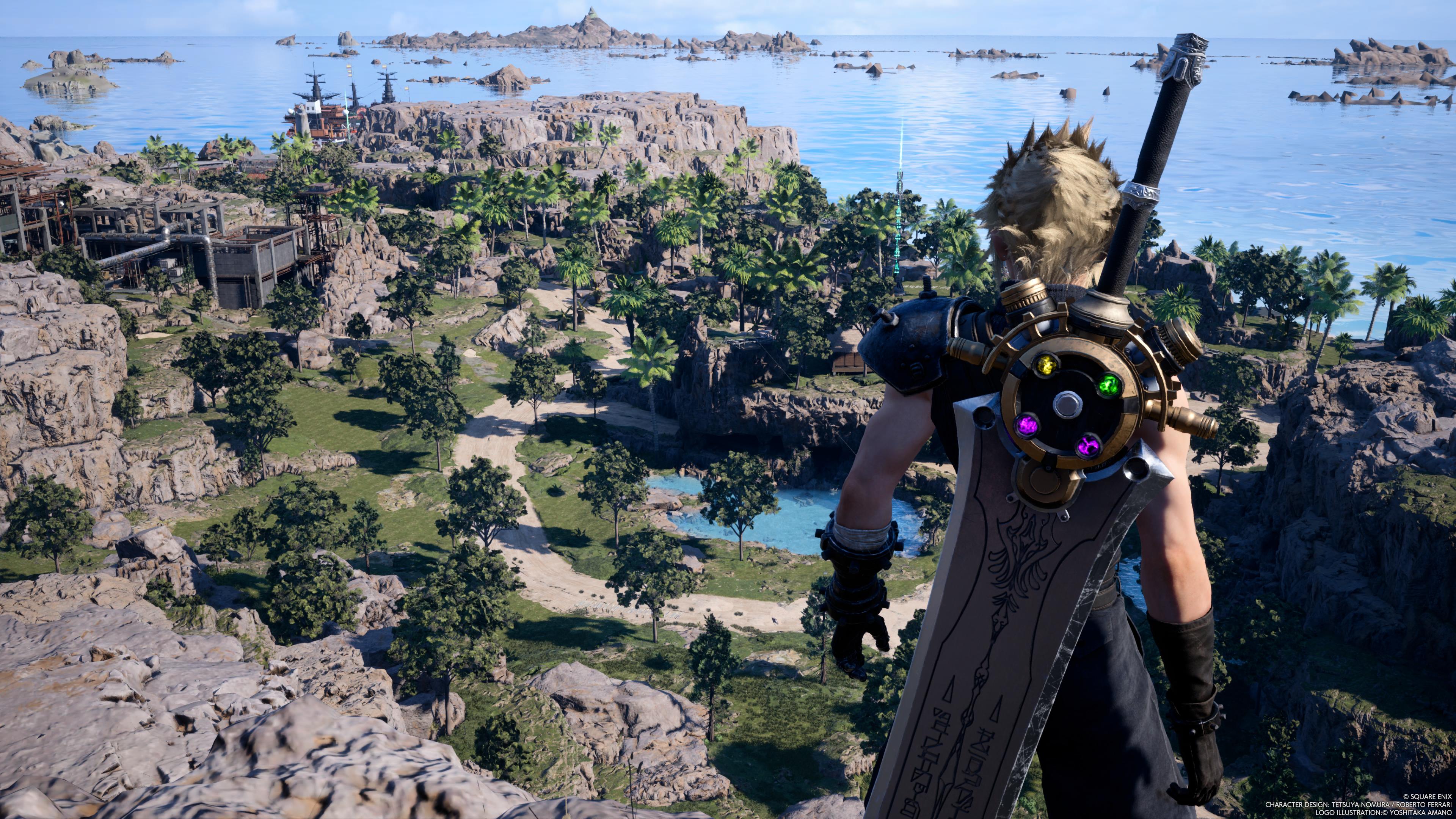
Nothing in the world is permanent: this is the message of the seventh and possibly most beloved Final Fantasy, the 1997 game in which we contend with the loss of protagonist Cloud Strife's vocation, his memory, his would-be lover, and, potentially, his entire planet. Everything is in flux; everything is fragile. You must adapt or risk becoming obsolete. It's a message with fresh relevance for the Japanese development team charged with bringing this game, built for a different time and different world, into the blazing present day, with its new rules, parameters and expectations.
Yes, the original's blocky, PlayStation-era character models have a certain vintage appeal in today's indie marketplace, but that is not a scale at which this remake could make commercial sense. Rather, this resurrection, a splicing of the original game's story arc into three separate, 40-odd-hour games, needed to be of blockbuster proportions, capable of competing with the open-world big hitters of an industry that often changes faster than the pace of development.