Get all your news in one place.
100’s of premium titles.
One app.
Start reading
MyLifeXP
MyLifeXP
Shashank Purohit

The Hidden Reasons Behind Sudden Hair Fall

Hair fall is a natural process to some extent. Losing 50 to 100 strands a day is considered normal. The problem begins when hair starts shedding in clumps, during combing, washing, or even while sleeping. Sudden hair fall usually does not happen overnight. It is often the result of internal imbalances or long-term habits that finally show their effect. Understanding these hidden reasons is the first step toward controlling and reversing the problem.

1. Stress and Emotional Imbalance

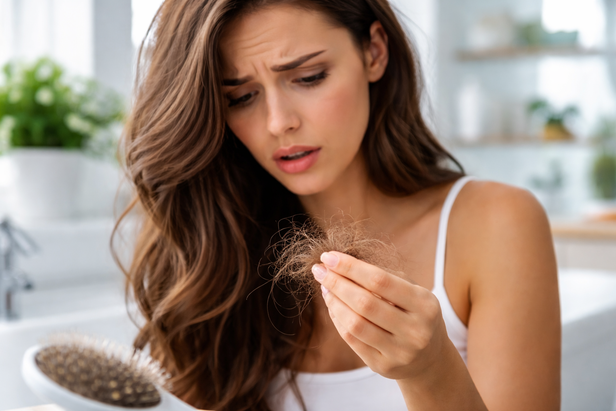
Stress and Emotional Overload Affecting Hair Health
<p>A woman sitting quietly with a stressed expression, representing how emotional pressure and mental exhaustion can silently disrupt the hair growth cycle and lead to sudden hair fall.</p>

One of the most underestimated causes of sudden hair fall is stress. Physical stress from illness, surgery, or fever, as well as emotional stress from anxiety, grief, or constant pressure, can shock the hair growth cycle. This condition is known as telogen effluvium, where a large number of hair follicles enter the resting phase at the same time. After a few weeks or months, this hair begins to fall suddenly. Stress also increases cortisol levels in the body. High cortisol disrupts normal hormone balance and reduces the absorption of essential nutrients needed for hair growth. Poor sleep, overthinking, and mental exhaustion further weaken hair roots. Many people notice increased hair fall during stressful periods without realizing the connection. Managing stress through proper sleep, relaxation techniques, and mental balance is crucial for healthy hair.

2. Hormonal Changes and Medical Conditions

Hormonal Imbalance and Sudden Hair Loss
<p>A woman examining hair strands in her brush alongside medical supplements and hormone-related visuals, symbolizing how hormonal changes and underlying health conditions can contribute to unexpected hair fall.</p>

Hormones play a major role in hair growth. Any sudden change in hormonal balance can trigger hair fall. This is commonly seen during pregnancy, after childbirth, during menopause, or due to thyroid disorders. Conditions like hypothyroidism and hyperthyroidism directly affect hair texture and growth cycle, often leading to sudden thinning and excessive shedding. Polycystic Ovary Syndrome (PCOS) is another hidden cause, especially in women. It increases androgen levels, which can weaken scalp hair while increasing hair growth on other parts of the body. In men, sensitivity to dihydrotestosterone (DHT) can cause rapid hair loss even if overall hormone levels appear normal. Sometimes hair fall is the first visible sign of an underlying medical issue, making medical evaluation important when hair loss is sudden and severe.

3. Nutritional Deficiencies You May Not Notice

Nutritional Deficiency and Hair Fall
<p>A woman looking at fallen hair while surrounded by contrasting food choices, illustrating how poor nutrition and deficiencies in essential vitamins and minerals can silently weaken hair roots and lead to sudden hair loss.</p>

Hair is made of protein, and its growth depends heavily on nutrition. Deficiencies in iron, protein, vitamin D, vitamin B12, zinc, and biotin can silently damage hair health. Many people follow restrictive diets, skip meals, or rely heavily on junk food without realizing the long-term impact on hair. Iron deficiency is one of the most common causes of hair fall, especially in women. Low iron reduces oxygen supply to hair follicles, weakening them. Protein deficiency slows hair growth and causes hair to become thin and brittle. Vitamin D plays a role in creating new hair follicles, while B12 supports red blood cell production. These deficiencies often develop slowly, and hair fall becomes noticeable only when the body’s reserves are depleted.

4. Lifestyle Habits and Hair Care Mistakes

Lifestyle Habits and Hair Damage
<p>A woman noticing hair strands in her hand while using heat styling tools, with smoking and alcohol in the background, illustrating how daily habits and harsh hair practices can gradually weaken hair and trigger sudden hair fall.</p>

Daily habits can also contribute to sudden hair fall. Irregular sleep patterns, smoking, excessive alcohol consumption, and lack of physical activity reduce blood circulation to the scalp. This limits nutrient delivery to hair roots. Dehydration is another overlooked factor that makes hair dry and prone to breakage. Improper hair care practices worsen the problem. Frequent heat styling, chemical treatments, tight hairstyles, and aggressive brushing damage the hair shaft and roots. Using harsh shampoos, washing hair too often, or not cleaning the scalp properly can disrupt the natural oil balance. Over time, these habits weaken hair follicles and increase hair fall, often suddenly when damage crosses a threshold.

Sudden hair fall is rarely random. It is usually a signal from the body that something is out of balance. Stress, hormonal changes, nutritional deficiencies, and lifestyle habits often work together to trigger excessive hair loss. Instead of focusing only on external treatments, it is important to address the internal causes. A balanced diet, stress management, healthy routines, and timely medical advice can significantly improve hair health. Understanding the hidden reasons behind hair fall empowers you to take informed steps toward stronger, healthier hair.

Unlock insightful tips and inspiration on personal growth, productivity, and well-being. Stay motivated and updated with the latest at My Life XP.

Sign up to read this article
Read news from 100’s of titles, curated specifically for you.
Already a member? Sign in here
Related Stories
Top stories on inkl right now
One subscription that gives you access to news from hundreds of sites
Already a member? Sign in here
Our Picks
Fourteen days free
Download the app
One app. One membership.
100+ trusted global sources.