Think about the last time someone did something kind for you. Perhaps it was a handwritten note tucked into your bag, a cup of coffee brought to your desk on a stressful day, or a friend checking in with a simple text message. None of these gestures cost much, yet they probably meant more than an expensive present ever could.
Why is that? Why do some of the smallest acts of kindness stay with us for years while lavish gifts are quickly forgotten? More than 2,500 years ago, the ancient Greek poet Pindar offered an answer that remains as relevant today as it was in his own time.
Quote of the day by Pindar: "Every gift which is given, even though it be small, is in reality great, if it is given with affection."
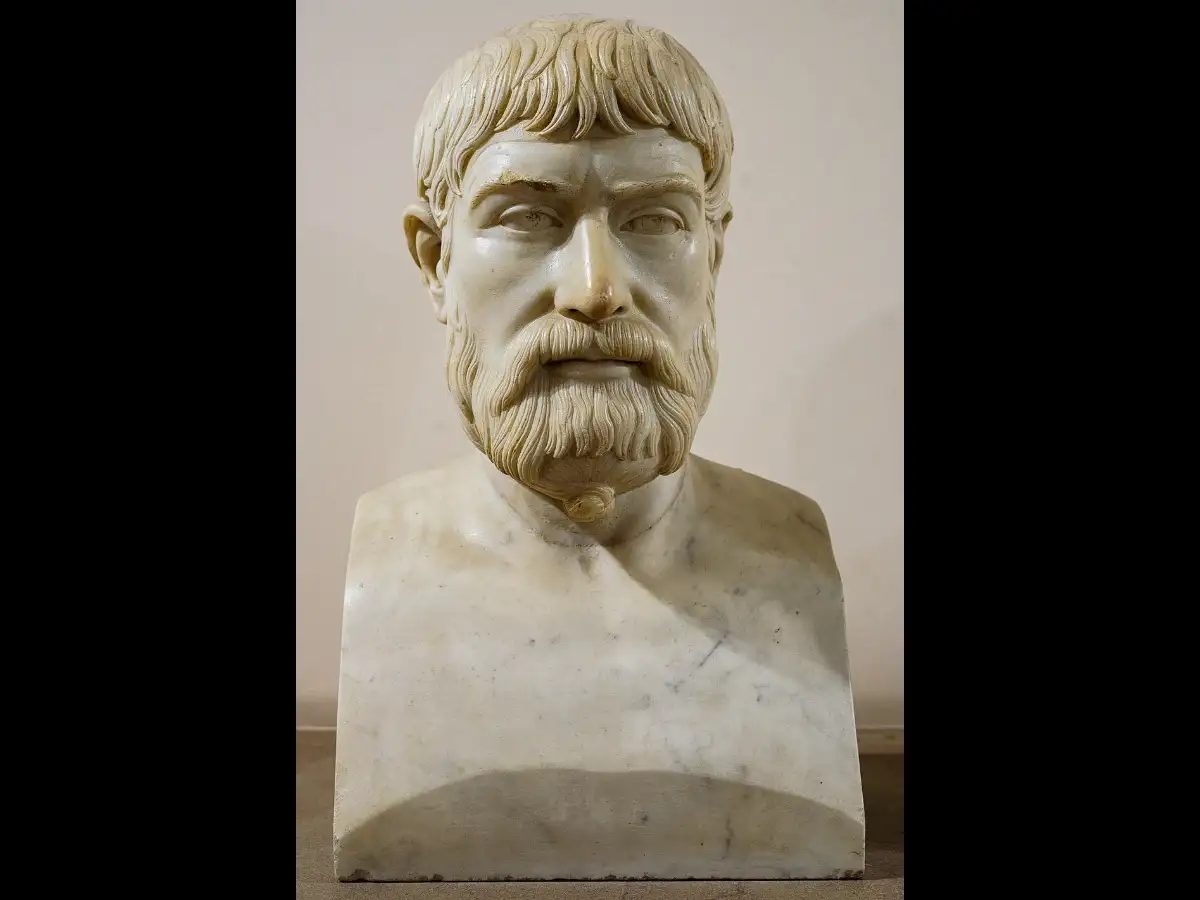
Who was Pindar?
Pindar (c. 518 BCE–438 BCE) was one of the most celebrated lyric poets of ancient Greece and is widely regarded as one of the greatest poets of the classical world. He was born in Cynoscephalae, a village near Thebes in the region of Boeotia, and lived during a period often described as Greece's Golden Age.
His specialty was the epinician ode, a victory poem commissioned to honour athletes who had won at the prestigious Panhellenic Games, the four major sporting festivals of ancient Greece: the Olympic Games, Pythian Games, Nemean Games, and Isthmian Games. Winning one of these competitions brought immense prestige, and wealthy patrons often hired Pindar to immortalize the victor's achievement through poetry.
However, Pindar's poetry was about much more than athletic success. His works explored universal themes such as honour, gratitude, generosity, humility, courage, excellence, destiny, and the relationship between humans and the divine. Drawing heavily on Greek myths and legends, he often used stories of gods and heroes to teach moral lessons about living with virtue and avoiding arrogance.
Only a portion of Pindar's writings has survived the passage of time, with 45 victory odes remaining largely intact. Despite this, his influence has endured for more than 2,500 years.
What Pindar's quote really means
At first glance, the quote appears to be about gift-giving. But its message extends far beyond birthdays and holidays. Pindar suggests that the emotional intention behind a gift is what gives it real value. A modest offering made with genuine love, gratitude, or care can carry far greater meaning than an extravagant present given out of obligation or expectation.
The quote also reminds us that generosity is not measured by wealth. A person's time, attention, encouragement, or willingness to help can become priceless gifts during difficult moments. In many cases, these intangible offerings create stronger and longer-lasting bonds than expensive objects ever could.
Why these words still matter today
Despite being written more than two millennia ago, Pindar's message remains remarkably relevant. In an age of online wish lists, luxury purchases, and social media displays, it is easy to associate generosity with cost. Yet people often treasure sentimental keepsakes, thoughtful conversations, and unexpected acts of kindness far more than expensive gifts.
The quote also applies beyond physical presents. Offering forgiveness, encouragement, respect, or genuine appreciation can be among the greatest gifts one person gives another. These gestures strengthen relationships because they communicate care rather than material value.
More timeless quotes by Pindar
- "Become what you are, having learned what that is."
- "The days that are still to come are the wisest witnesses."
- "Seek not, my soul, the life of the immortals; but enjoy to the full the resources that are within your reach."
- "We are but the dream of a shadow."
- "Sweet is war to those who know it not."