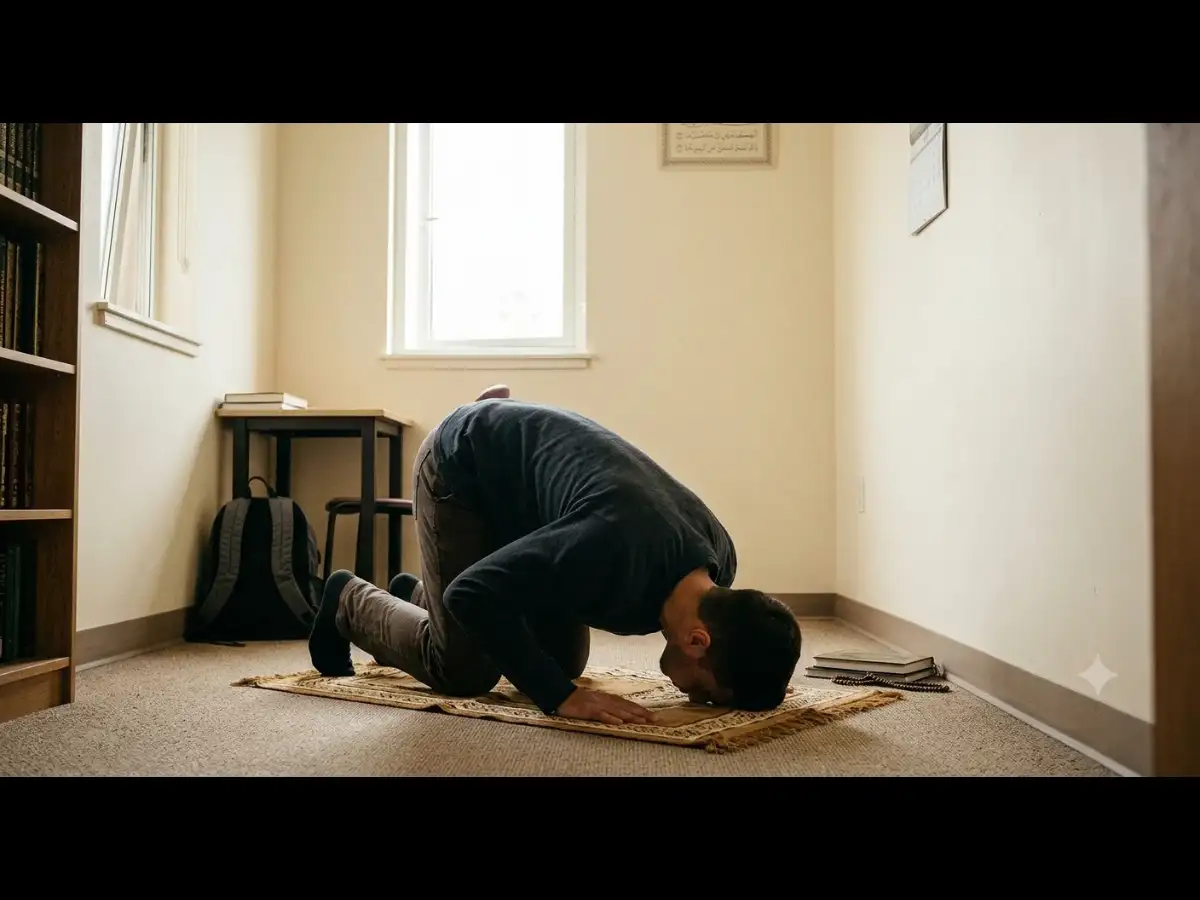
Montreal’s public transit agency is putting a new restriction on employees’ religious practices as Quebec’s expanded secularism rules take effect. Starting September 1, 2026, the Société de transport de Montréal (STM) will no longer allow employees to pray anywhere on its property, including in rooms that were previously available for quiet activities. The move comes after Quebec adopted Bill 9, a law that expands restrictions on prayer and religious practices in public institutions, reports CBC News.

Why is Montreal’s STM banning workplace prayer?
The STM has four rooms that employees could previously use for quiet activities, including prayer. The agency says those rooms will remain available for meditation, relaxation and yoga, but religious prayer will no longer be permitted.
The STM has also posted signs outside the rooms informing employees about the new rules. Supervisors who see religious practices taking place are expected to address the issue with the employee.
The change is linked to Bill 9, formally known as an Act respecting the reinforcement of laicity in Quebec. The legislation was adopted by the Quebec legislature on April 2 and expands the province's existing secularism framework.
ALSO READ: Melinda French Gates’ NASA connection
What does Quebec’s new secularism law say?
The new law prohibits prayer in public institutions and restricts collective prayer in public spaces. Under the legislation, collective prayer in places such as streets, parks and other public spaces requires authorization from the relevant municipality. The law applies across a range of publicly funded institutions and sectors.
The legislation builds on Quebec’s earlier Bill 21, which introduced restrictions on religious symbols for certain public-sector workers, including people in positions of authority.
Muslim groups criticize the new prayer ban
The new restrictions have sparked criticism from Muslim community organizations and civil rights advocates, who argue that the law interferes with religious freedom.
Shaheen Ashraf of the Canadian Council of Muslim Women called the policy "discriminatory" and said it was another example of the provincial government "antagonizing Muslims."
She also questioned why quiet prayer should be considered a problem, saying: "I don't know why it bothers them, because people can sit in a corner and say their prayers quietly, and people might think they're meditating, but they will be saying their prayers."
The debate therefore goes beyond Montreal public transit. At its centre is a larger question over how Quebec balances its policy of state secularism with individual religious freedom.
Bill 9 faces legal scrutiny
The controversy surrounding Quebec's secularism laws is also playing out in the courts.
Civil rights groups and Muslim organizations have challenged Bill 21, with the case before the Supreme Court of Canada. The court heard arguments in March, but a ruling has not yet been issued, according to Canadian HR Reporter.
For STM employees, however, the immediate change is clear: from September 1, prayer is prohibited on STM facilities and grounds, while the designated rooms can continue to be used for non-religious activities such as meditation and yoga.