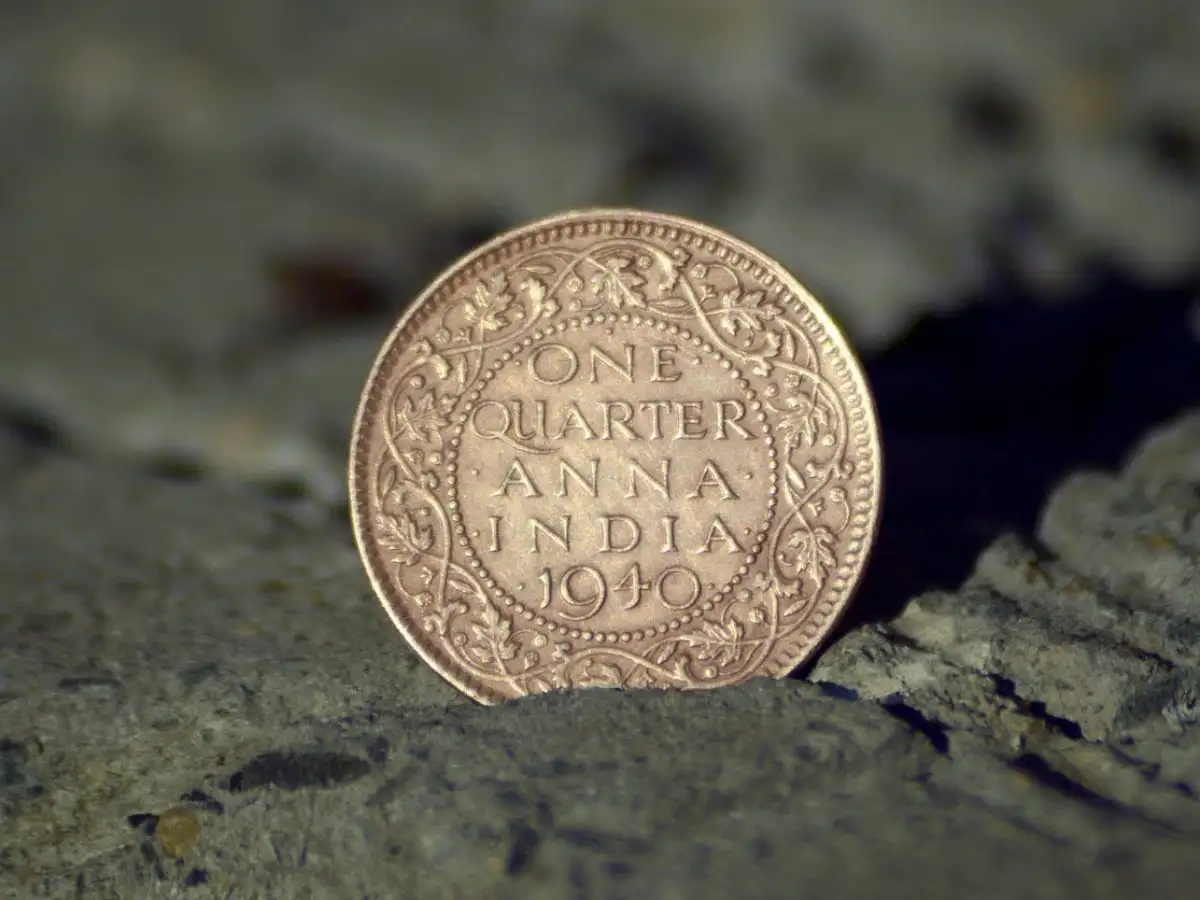
Ahead of India’s 80th Independence Day, stepping back into the pre-1947 era reveals a monetary landscape vastly different from today's. Multiple currencies circulated across the country before the Indian rupee emerged as the one currency we know today.
Back then, money looked as different as the kingdoms and territories that used it. From Maratha coins to currencies issued by princely states like Hyderabad, India had a patchwork of coins and systems of money.
As the country moved towards political integration and eventually Independence, its currency system evolved too. Different forms of money gradually gave way to the rupee, while the creation of the Reserve Bank of India (RBI) in 1935 brought currency issuance under a central monetary authority. After Independence, decimalisation changed the way Indians counted their money.