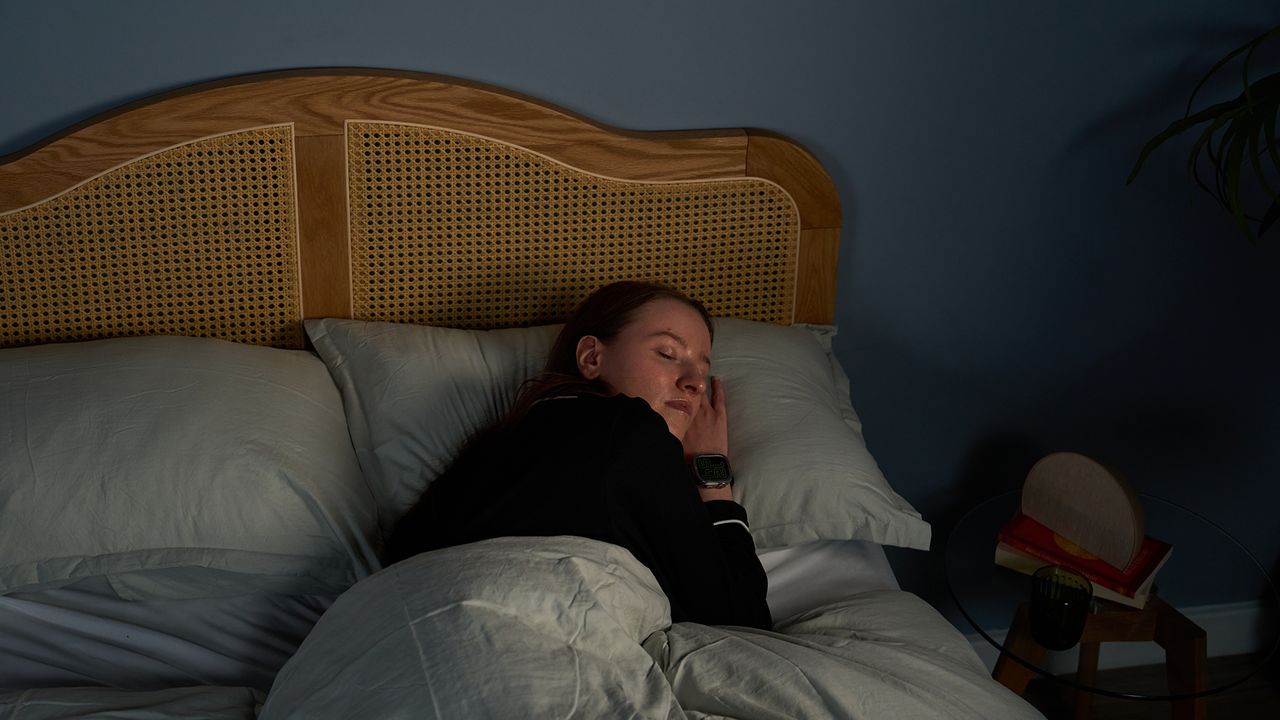
Nighttime anxiety has me in a chokehold, jolting me awake at 3 a.m. most mornings with my heart hammering in my chest. While I fantasise about a relaxing spa break where I can finally decompress, I’ve found the next best thing: an ‘invisible day.’ What is it? A 24-hour digital detox that allows my nervous system to re-set before bedtime — and sleep experts approve.
“Taking an invisible day, especially when done consistently, can be a powerful method of reducing stress and anxiety from an overstimulated brain, which can help with the 3 a.m. wakings,” explains Dr. Eric Zhou, associate professor in the Division of Sleep Medicine at Harvard Medical School.
As a busy working parent, my smartphone is my lifeline. But every ping of a notification is also another demand on my time and attention. Instead, turning my phone off — even just for a day — helps me relax without being in a state of constant alert. Here’s why it's helping me to fight back against all those 3 a.m. wake-ups…
Key takeaways: At a glance
- An ‘ invisible day’ is a 24 hour digital detox during which you either turn your phone off or place it on airplane mode
- Experts believe that silencing the demand for our attention allows our nervous system to decompress before bedtime
- A higher than normal baseline level of cortisol is why many people with anxiety wake at 3 a.m.
- Reducing daytime stress helps lower the baseline level of cortisol, helping you to stay asleep all night
What is an invisible day and how can it help with your sleep?
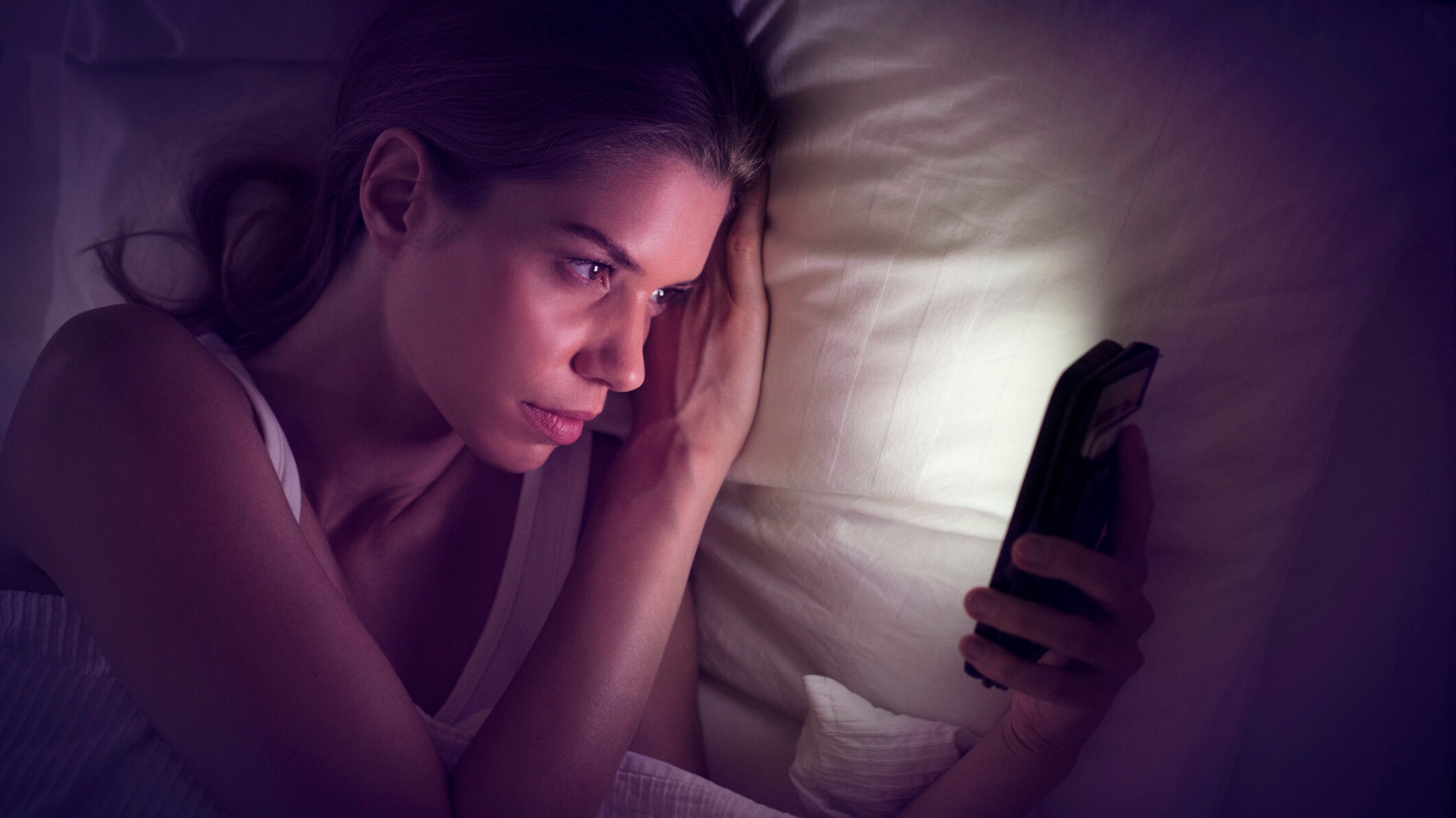
It’s up to you exactly how you conduct your own 'invisible day'. However, the crux of it is that you are essentially invisible to the aspect of your life that is causing you the most angst. That might be caregiving or household chores.
It’s a pause in your busy, daily life.
For me, I initially chose a day to be invisible to my online world — where group WhatsApp messages demanding my attention were rolling in thick and fast — so that I could spend time with my family without distraction. During my 'invisible day' I felt present, calm and, crucially, I slept peacefully and didn't wake up at 3 a.m.
“An ‘invisible day’ gives your nervous system a chance to decompress before bed, which improves sleep”
Dr. Jessica Meers, Board-Certified Sleep Behavioral Specialist
“It makes complete sense to me that you've found it helpful,” says Dr. Jessica Meers, a Licensed Clinical Psychologist at Rhythm Wellness.
“The 3 a.m. waking pattern is one of the most common sleep issues I see, and it often comes back to a nervous system that never fully unwound during the day.”
I spend most days with my phone glued to my hand so that I can promptly respond to every email, call, Whatsapp or notification. Sound familiar? This constant input takes its toll on your nervous system and makes it hard to switch off at night, Dr. Meers explains.
“An ‘invisible day’ interrupts that cycle and gives your nervous system a chance to decompress before bedtime, which can absolutely improve sleep,” says Dr. Meers, a board-certified sleep behavioral specialist.
How an 'invisible day' curbed my anxiety and reduced 3 a.m. wake-ups
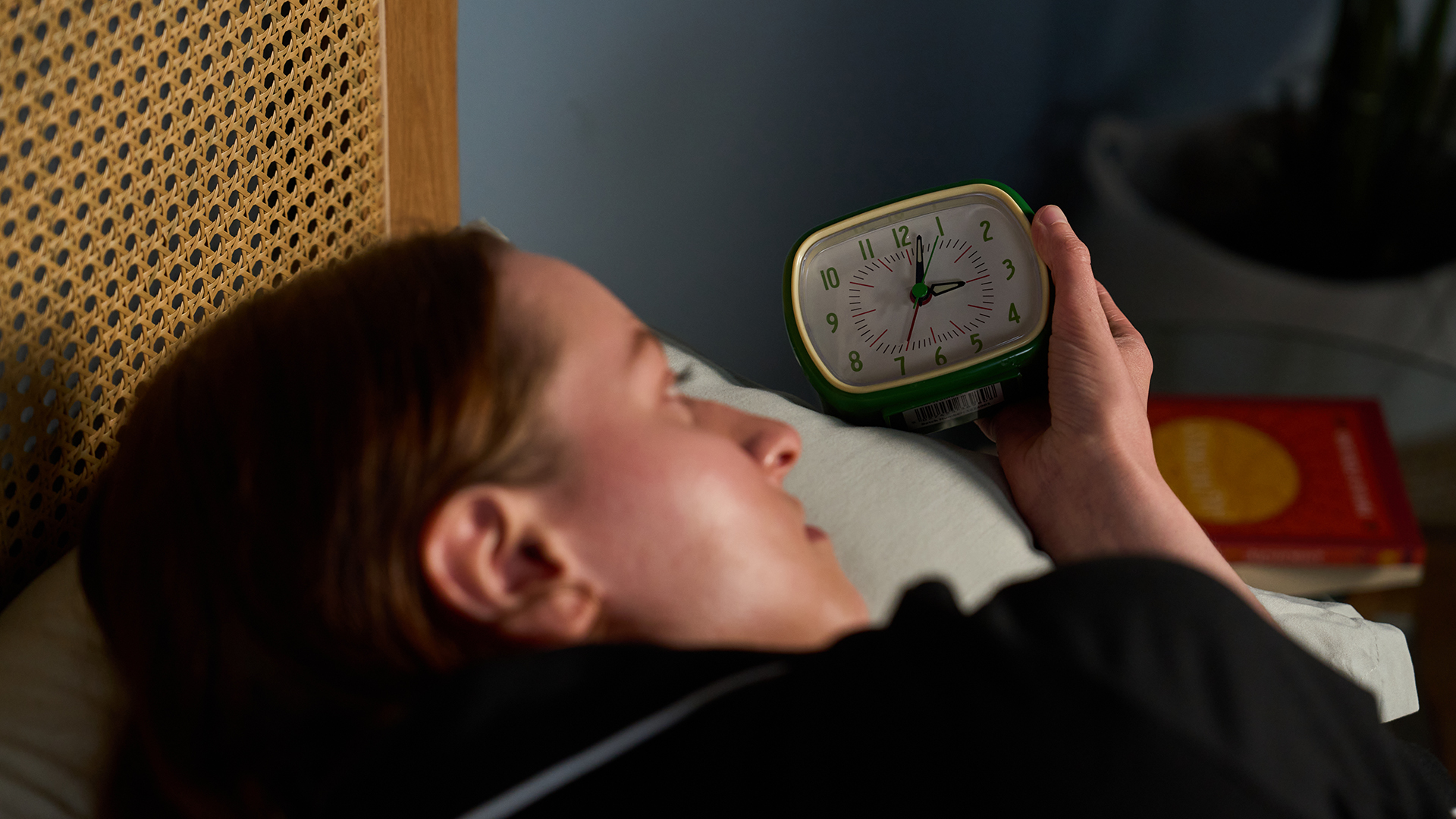
I took my first invisible day a couple of months ago during a period of feeling overwhelmed and suffering from poor sleep.
At first, I just wanted to turn off the constant background chatter that I was allowing to infiltrate every part of my life. However, I soon realised that it was helpful for combating my 3 a.m. wake-ups too.
Here’s the science behind why…
1. It reduces cortisol levels
“Waking at 3 a.m. can be the hallmark of sleep maintenance insomnia, driven by an overactive nervous system; a stress-response system that can't sustain consolidated sleep,” explains Dr. Ranji Varghese, a Board-Certified Sleep Medicine and Psychiatry Specialist.
“For most people, cortisol (the body's primary stress hormone) naturally bottoms out around midnight and rises around 3 a.m,” says Dr. Varghese, noting that, in chronic insomnia, cortisol levels remain high.
However, studies point to a reduction in cortisol levels following a digital detox. By lowering your baseline level of cortisol, you’re then less likely to be woken when levels naturally begin to rise around 3 and 4 a.m., says Dr. Varghese, Medical Director of the Minnesota Regional Sleep Disorders Center at Hennepin County Medical Center.
2. It eliminates constant brain arousal

Scrolling on your phone might look like rest, but what’s really happening is that your brain is suspended in a heightened state of alert. Rarely giving our brains the opportunity to relax or switch off results in a tired and wired feeling that’s difficult to shake off come bedtime.
“Every single tap, swipe, and scroll triggers your brain's reward pathways,” explains Dr. Zhou, a sleep researcher. “This is because every app you use, every video you watch is all designed to keep you engaged. As a result, you are in a constant state of heightened arousal.”
3. It enables me to wind down without distraction
If we’re honest, most of our bedtime routines involve scrolling on our phones until the wave of exhaustion eventually pulls us into sleep.
As well as being able to decompress during the day, I found that, without the lure of my smartphone during my invisible day, I was better able to relax before bedtime, too.
“I've seen that when people disconnect from devices for an extended period, their nervous system begins to relax in a different way,” says Dr. Meers.
“The constant anticipation of the next message, notification, or piece of news starts to fade. Many people describe feeling calmer, more present, and less mentally ‘on.’”
How to take an 'invisible day' for better sleep
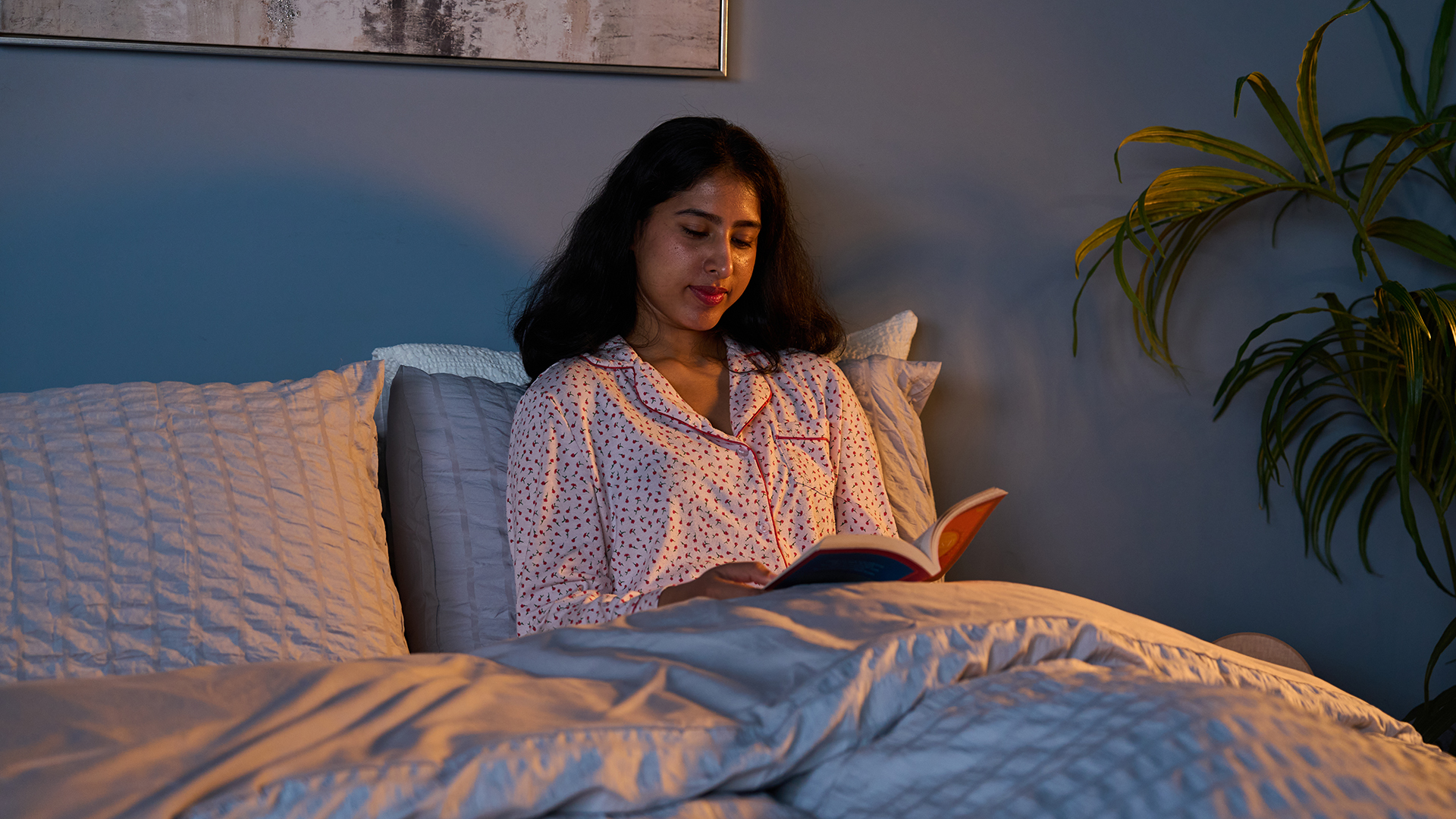
If taking an invisible day is unrealistic, Dr. Zhou suggests instead taking an "invisible hour" every night before bed.
"During this time, promise yourself that you won't turn on your work laptop, or see what your friends have posted on Tik Tok," he advises. "Instead, use this time to participate in something that you genuinely enjoy."
If you are able to take an invisible day, here's how to do it...
- Pick the date: Choose a low demand day when you’re unlikely to be needed
- Put your OOO on: Let those around you that you will be uncontactable during this time
- Establish an emergency contact method: If turning your phone off, set up an emergency contact method. This could be your partner or neighbor.
- Engage in mindful activities: Whether it’s puzzling with your kids or walking the dog, engage in activities you find relaxing