
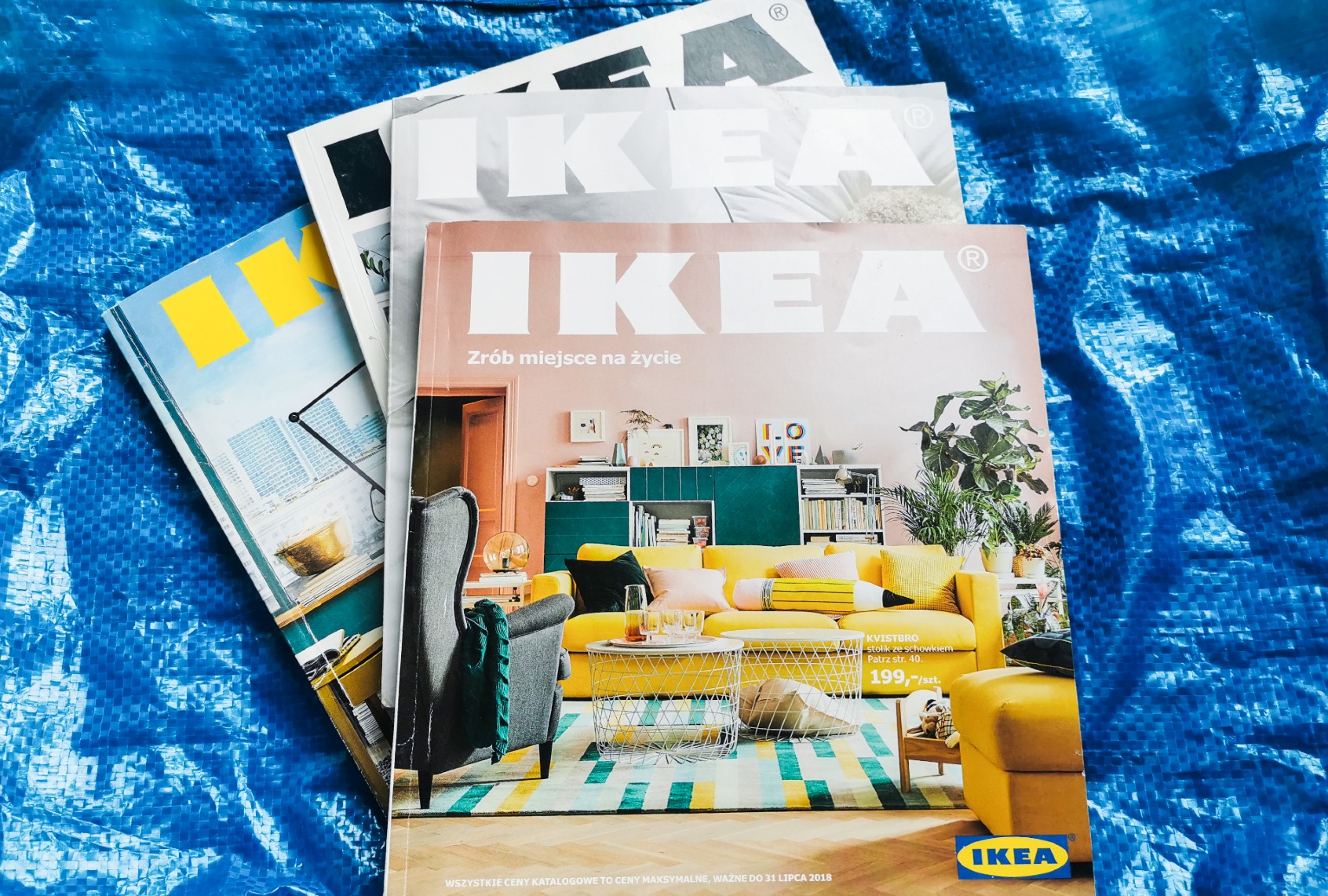
Charlotte was cleaning out her parents’ garage last summer when she found a box of catalogs, circa 1996–1999. dELiA*s, MoxieGirl, Alloy — they were all there. “Instant flashback,” she says, describing how she sat right down on the concrete floor to page through them. Growing up in what she calls “rural suburban” Pennsylvania, Charlotte and her older sister made yearly pilgrimages to the Urban Outfitters flagship store in Philadelphia to spend their summer-job money on baby tees and suede Converse One-Stars. But in between, Charlotte, now 43, says they fought over who got the first look at the mail-order catalogs that, at the time, were the first to cater specifically to a tween and teen-girl audience.
Flipping through them three decades on, she realized what made dELiA*s and its ilk so different from the other mail-order catalogs that materialized every few months in her family’s mail pile like L.L. Bean, J. Crew, Tweeds and Talbot’s. “The whole thing was very Girl Power. [The models] looked their age and made goofy faces or looked like they were shouting. It wasn’t like ‘okay, stand there and look pretty.’” The catalogs delivered a rush, Charlotte said, because “It felt like they were telling a story that regular teen magazines kind of couldn’t.”