
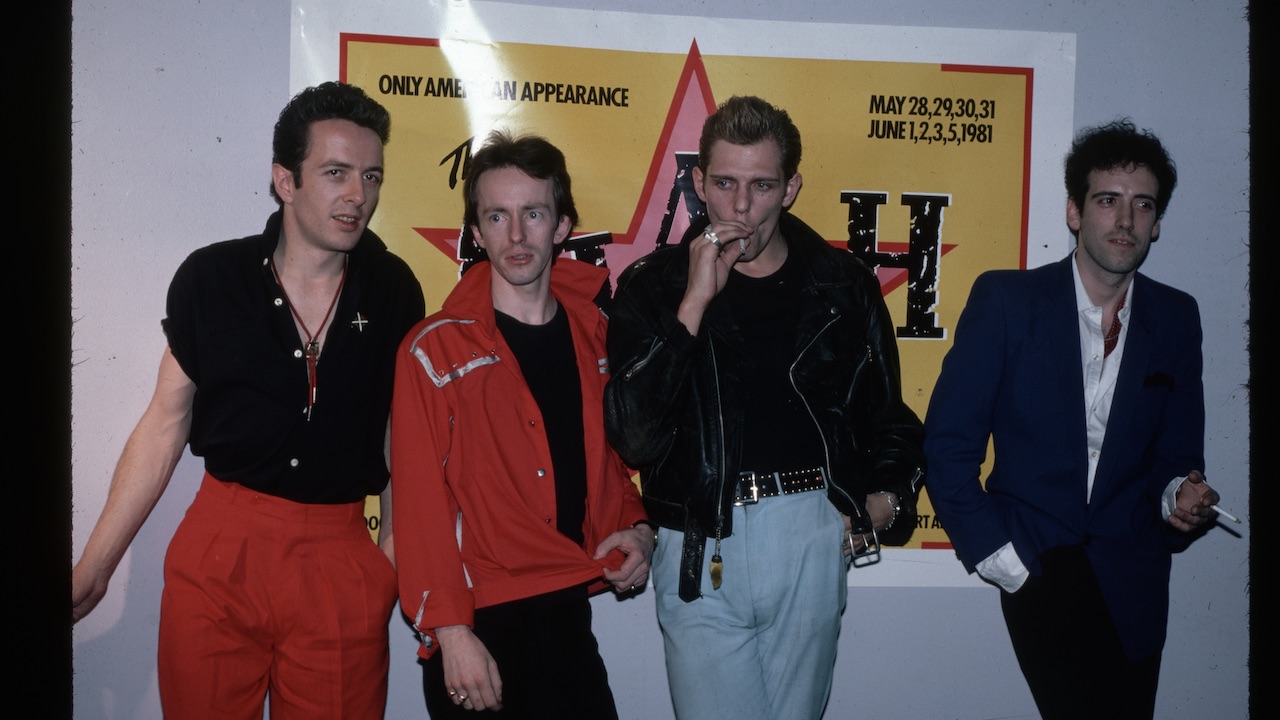
In January 1986, The Clash announced that they had disbanded. To those in the West London band's orbit, and indeed across the music industry as a whole, this was no great surprise. Released just two months earlier, and featuring Joe Strummer as the only surviving member from the band who recorded 1982's Combat Rock, the group's embarrassingly-bad sixth album, Cut The Crap, had peaked at number 16 in the UK and number 88 on the Billboard 200, and had been savaged by music critics. Strummer himself acknowledged that it was "a damp squib", and actually considered taking out full page ads in the NME and Melody Maker to explain where things had gone so badly wrong, but instead elected to cite the album's critical mauling as a reason to put his group out of its misery.
Reflecting back on the band's demise six months later, in an interview printed in the July 19, 1986 issue of Record Mirror magazine, Strummer admitted that he had regrets about how things had fallen apart. But rather than citing the 1983 firing of his fellow vocalist/guitarist and songwriting partner Mick Jones as the key factor in the band's chaotic final years, Strummer identified a pivotal day in 1982 as the beginning of the end.