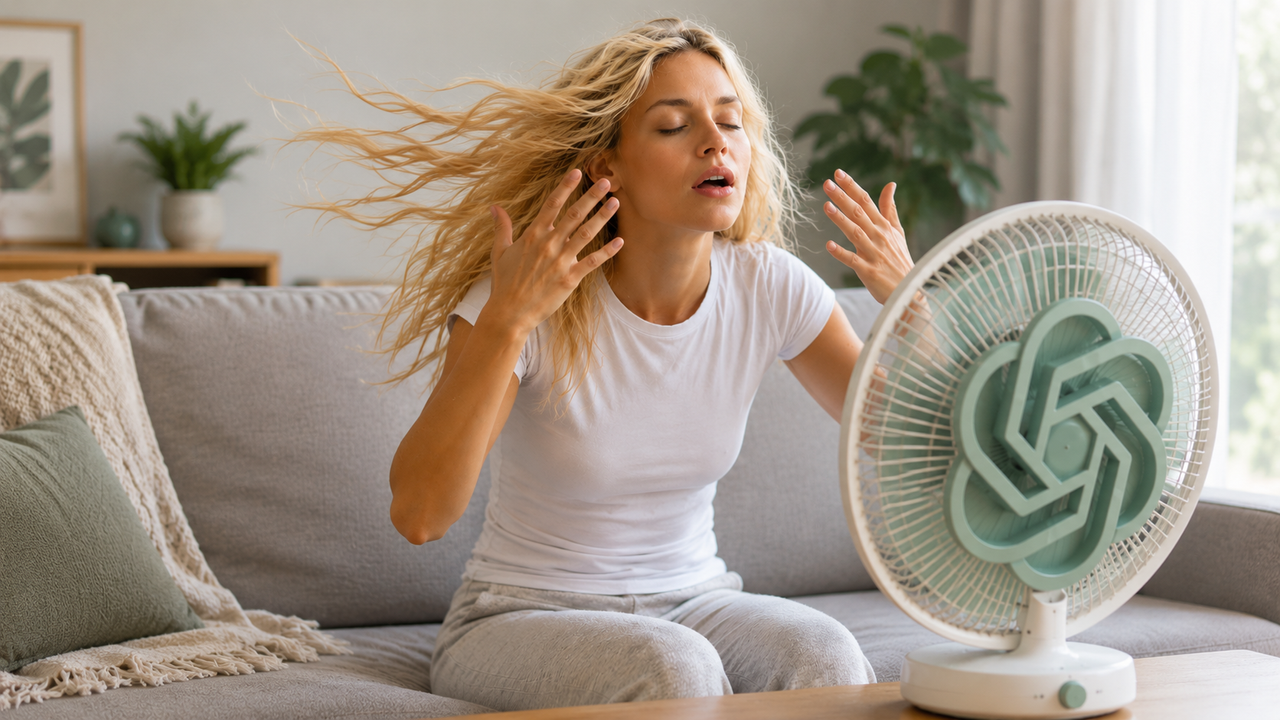
When the temperature climbs into the 90s or lately, the 100s, I am always looking for ways to stay cool. My house is older and doesn't have air conditioning so it gets hot fast.
After the last heatwave, it occured to me that ChatGPT could probably provide some useful ideas. To my surprise, when I prompted it about my sweaty situation, it offered useful ideas beyond the usual "drink water and stay inside."
Several of the suggestions were simple enough to test immediately and a handful have become part of my routine now. Here are the nine tips that actually made a difference.
1. Freeze your pillowcase before bed

This sounded both brilliant and crazy, but it quickly became my favorite suggestion.
ChatGPT recommended placing a clean pillowcase in a sealed plastic bag and leaving it in the freezer for about 20 to 30 minutes before bedtime. So, now, just after dinner, I put the the whole family's pillowcases in the freezer. Since they are in there for about 3 hours, they get really icy!
I have to say, there's nothing like climbing into bed with a chilled pillow. It feels amazing after a sweltering day and it has helped me cool down enough to fall asleep faster.
2. Cool your wrists instead of your whole body
I take so many cold showers that our water bill is through the roof. Not to mention, wet hair is not the best look for video meetings. So, rather than taking another cold shower, ChatGPT suggested cooling the places where blood vessels sit close to the skin.
I now run cool water over my wrists for about 30 seconds and also place a damp washcloth on the back of my neck. It's not a miracle cure for overheating and it's not genius, but it does help me feel more comfortable almost immediately without having to cool my entire body.
3. Keep the sun out before it heats your house

This was one of those tips that seems obvious in hindsight. ChatGPT suggested that I keep the blinds and curtains closed in the morning before direct sunlight reached my windows.
The difference was noticeable. Rooms that usually feel like ovens by late afternoon still got warm, but not excessively hot, so they were much more comfortable.
4. Freeze grapes for an instant cool-down snack
I've seen this done on TikTok and had avoided it until ChatGPT suggested it. Frozen grapes taste somewhere between fresh fruit and tiny sorbet bites and are a real treat when the heat is unbearable. They're refreshing, naturally sweet and surprisingly satisfying when it's too hot to think about cooking.
Since I've been avoiding salads, I appreciated the opportunity to enjoy a little produce. I've since started keeping a container in the freezer all summer.
5. Put a bowl of ice in front of a fan
This is probably the oldest trick in the book, but ChatGPT helped me figure out how to do it the right way.
ChatGPT told me that placing a bowl filled with ice directly in front of a fan is a surprisingly effective trick if you're trying to cool a small area. It was right! While it's not the same as air conditioning, it works better than just a fan.
6. Eat lighter meals
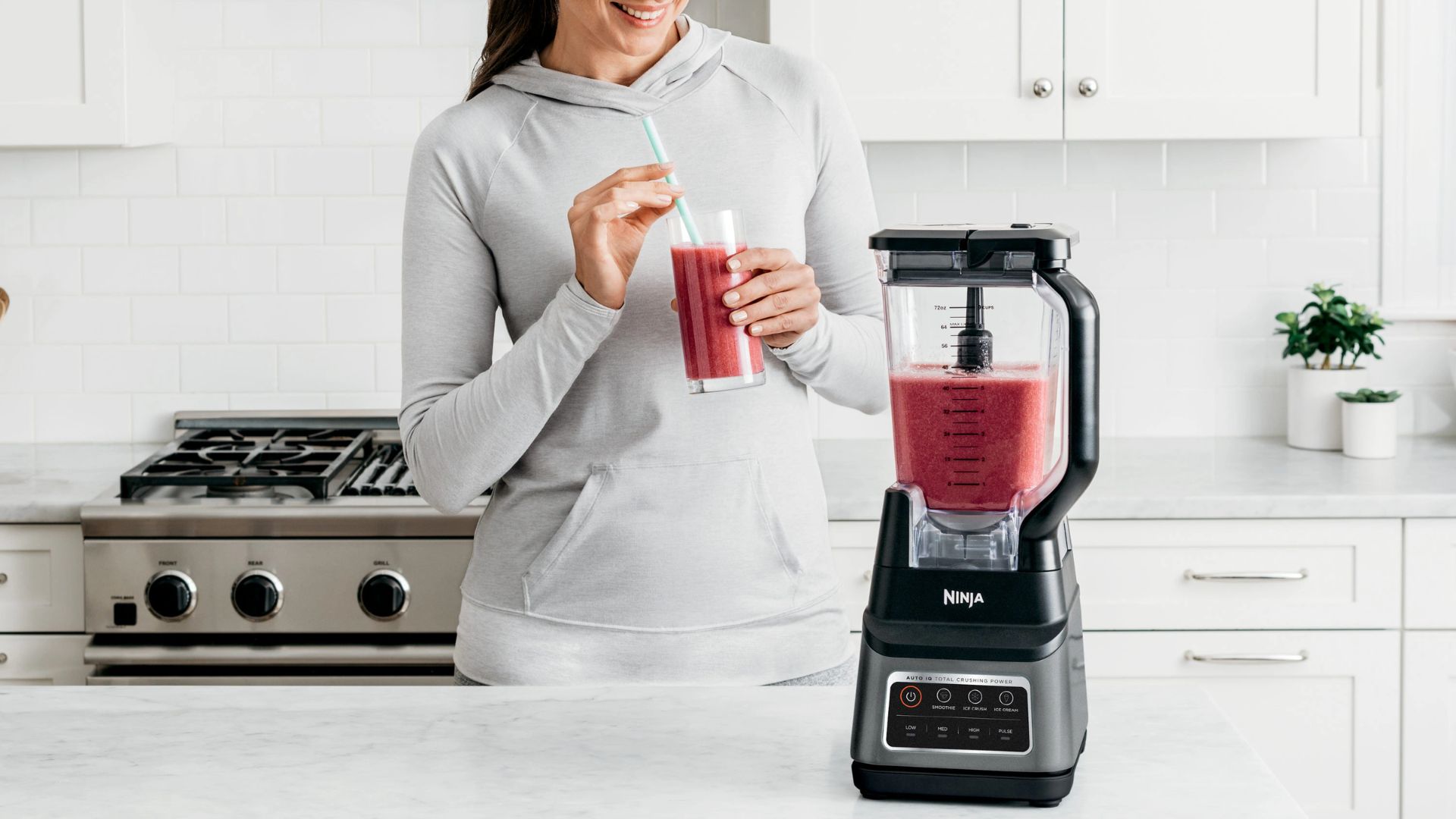
ChatGPT pointed out that large, heavy meals generate extra body heat during digestion. Instead of making a hot dinner, I make sandwiches, fruit, yogurt and smoothies for the family on the hottest days.
Not only did I spend less time standing over the stove, but I also felt noticeably less sluggish afterward.
7. Cool your feet
This might be the most underrated tip on the list. The kids think it's fun, too. Simply fill a small tub with ice and stick your feet in! It's a surprisingly good way to stay cool while relaxing and watching TV.
When ChatGPT first offered the suggestion, I wasn't sure what type of container to use, but a Home Depot bucket or even a laundry basket with a garbage bag does the trick!
8. Start hydrating before you're thirsty

This trick I knew, but it was a good reminder. Seeing it in the response from ChatGPT made me mention it to my husband and kids, especially since the kids are outside at summer camp all day.
Again, not groundbreaking advice, but it changed how I approached the day.
Instead of realizing I was dehydrated in the afternoon and drinking a huge bottle of water all at once, I kept a water bottle nearby and took small sips throughout the day. It was much easier to stay ahead of the heat.
9. Ask ChatGPT to create a personalized heat-wave plan
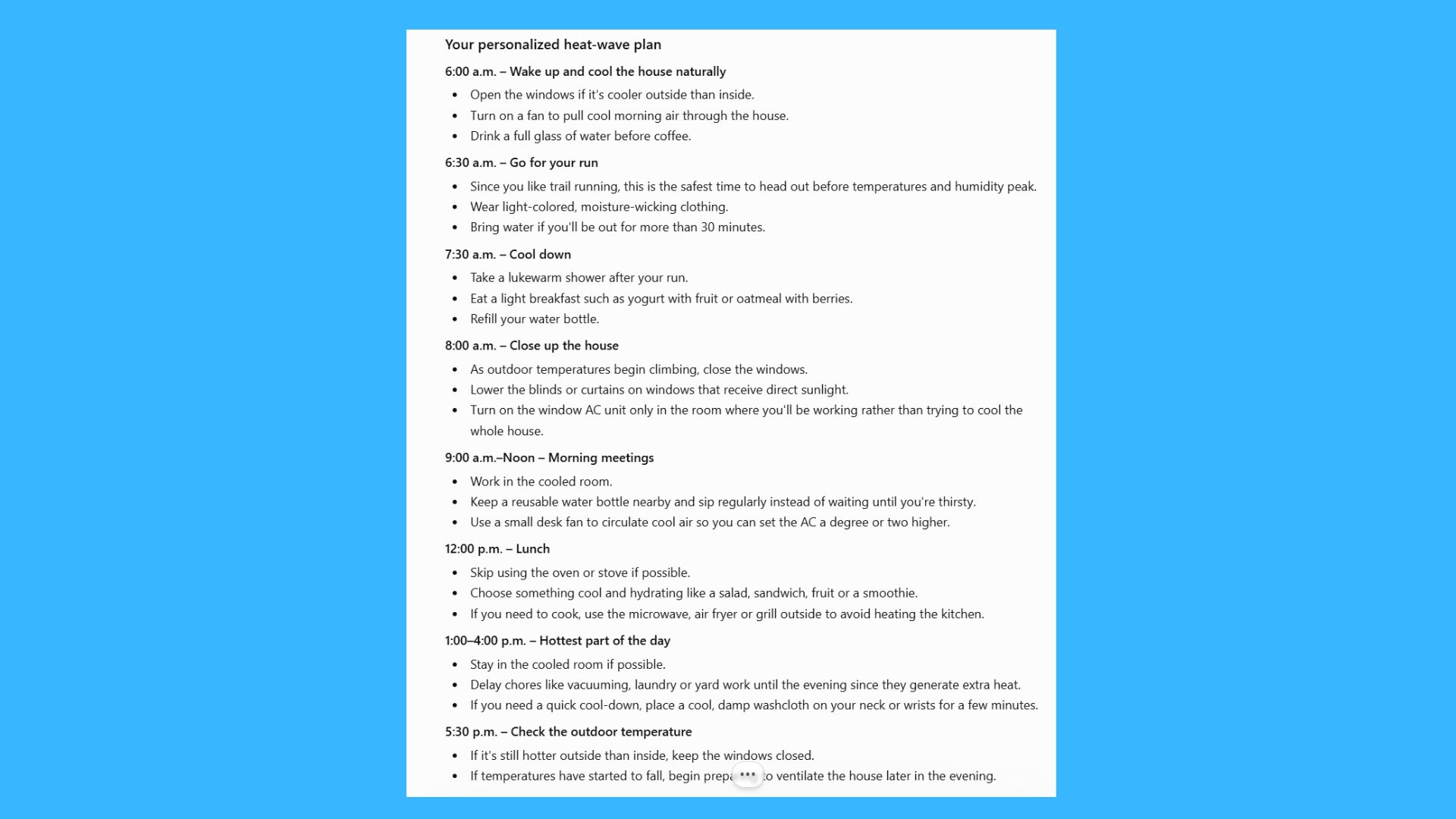
This ended up being the most useful suggestion of all. Rather than asking for generic advice, I gave ChatGPT details about my day and asked it to build a realistic schedule.
Here's the prompt I used: "I'm working from home during a heat wave. My house doesn't have air conditioning but we do have window units in a few rooms. I have a few meetings in the mornings and occassionally in the afternoon. I am a runner and like to hit the trails early in the day. Please give me ways to stay as cool as possible while keeping my electric bill reasonable. Create a schedule from morning until bedtime."
Give it a try if you're in the middle of a heat wave. ChatGPT might suggest ideas that aren't on this list and that better fit your lifestyle. You'll get personalized advice that traditional weather forecasts simply can't provide.
Bottom line
This is our third heatwave this summer but I didn't think to ask ChatGPT for advice until now. One of the reasons I appreciate AI is that it can offer solutions to problems quickly, especially during those times when my brain feels fried.
Not every ChatGPT suggestion was worth trying, but several have earned a permanent place in my summer routine. My favorites were freezing my pillowcase before bed, closing the blinds early, keeping frozen grapes in the freezer and asking ChatGPT to build a personalized plan for the day.
Of course, AI shouldn't replace official health advice during extreme heat. If temperatures are dangerously high, follow guidance from your local weather service, stay hydrated, limit outdoor activity during the hottest part of the day and seek medical attention if you experience symptoms of heat exhaustion or heat stroke.
Sometimes the best AI prompts result in simple ideas that make everyday life a little more comfortable