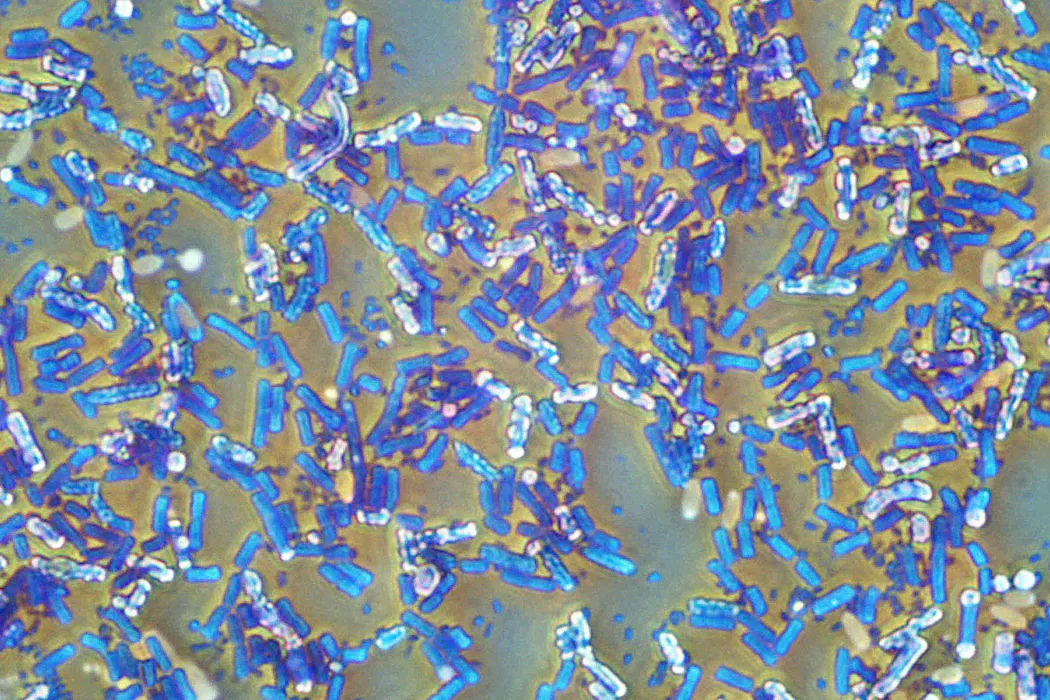
A spore is a bacterium’s survival capsule: dried almost solid, wrapped in protein armor and chemical processes shut down. Bacteria enter this state of hibernation when environmental conditions are unfavorable. What’s left is close to indestructible: It can survive boiling, desiccation, radiation and the vacuum of space. NASA once bolted Bacillus spores to the outside of a satellite and left them in orbit for nearly six years; the ones shielded from sunlight were able to come back to life upon returning to Earth.
Out in the dirt, bacteria have handed this spore-forming ability down for roughly 3 billion years. But if you put this bacterium in a comfortable laboratory flask and feed it well, within a few thousand generations it will lose the ability to make spores altogether.