A Salmonella outbreak linked to broccoli sprouts from Evergreen Fresh Sprouts has grown from 22 to 32 cases and now includes Minnesota and Oregon. The CDC reported the increase on Sept. 24, along with three hospitalizations and no deaths.
The newest illnesses started as late as Sept. 3, more than a week after the last illness onset date in the first federal report, Aug. 26. The six affected states are Idaho, Minnesota, Montana, Oregon, Utah, and Washington, according to the FDA.

The update widens the picture beyond the Northwest. The FDA has confirmed that the sprouts were distributed only in Idaho, Montana, and Washington, yet illnesses have now appeared in two states outside that area.
Ten New Cases and Two New States
The outbreak strain is Salmonella Bovismorbificans. Patients range in age from 2 to 87, and the median age rose from 48 in the first report to 52 in the latest one.
Of 27 people interviewed, 26 reported eating sprouts or microgreens. Twenty-two said they ate broccoli sprouts, and one reported eating a microgreen mix that contained broccoli microgreens.
The CDC says the true number of sick people is likely much higher than reported. Many people recover without medical care and are never tested, and it usually takes three to four weeks to determine whether an illness is part of an outbreak. Some September illnesses may not be counted yet.
Lab Tests in Washington Strengthen the Link
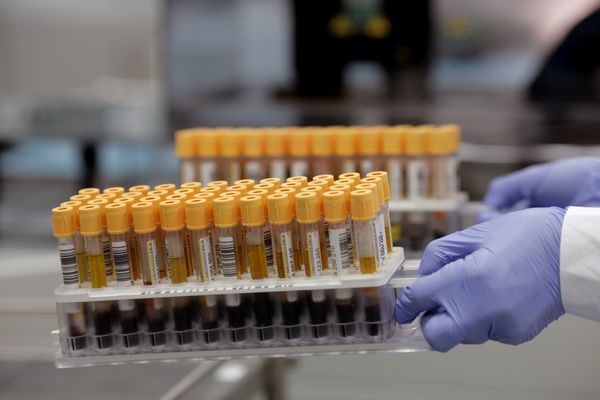
Washington officials tested broccoli sprouts collected from a local store and from a sick person's home. Both samples tested positive, and whole genome sequencing showed they matched the outbreak strain, the FDA said. The product was part of the recall.
That adds to earlier evidence from Montana, where officials collected an unopened package of broccoli sprouts from a sick person's home and found the outbreak strain, according to the CDC. With positive samples from two states, investigators now have direct laboratory links between the product and the illnesses.
MedicalDaily previously reported the first federal count of 22 illnesses in four states and later detailed how Washington accounted for most early cases. Since then, federal officials have added 10 cases, two states, one hospitalization, and the Washington lab results.
Agency records differ slightly on the recall timeline. The FDA says Evergreen Fresh Sprouts of Moyie Springs, Idaho, began its recall on Sept. 4 after a sample collected by Montana officials tested positive. The CDC lists the company's recall of 215 cases of broccoli sprouts on Sept. 10.
Expired Sprouts, Lingering Risk for Households
The recalled sprouts were sold in plastic bags or clamshell containers with expiration dates of 9/7, 9/9, 9/11, 9/14, and 9/16. The FDA says these products should be past expiration and no longer available for sale.
That lowers the chance of new exposures, but the FDA also notes that the product "may have been distributed further, reaching additional states." Anyone who still has old sprouts in the refrigerator should throw them away and clean any containers, cutting boards, or counters the sprouts touched. The FDA says this outbreak is being investigated separately from the alfalfa sprout outbreak involving E. coli and Salmonella.
According to the FDA, Salmonella illness usually begins 12 to 72 hours after eating contaminated food, and symptoms usually last four to seven days. Symptoms include diarrhea, fever, and stomach cramps. Most people get better without antibiotics, the CDC says.
Children younger than 5, older adults, and people with weakened immune systems are more likely to have severe infections, according to the FDA. With a median patient age of 52 and patients as old as 87, older adults are well represented in this outbreak.

The CDC advises contacting a health care provider for diarrhea or vomiting that lasts more than two days, bloody diarrhea, a fever higher than 102 degrees Fahrenheit, or signs of dehydration. People who got sick after eating sprouts or microgreens should tell their provider about the food, since a stool test can connect a case to the outbreak. This article is general information and is not a diagnosis.
The FDA says it is continuing its investigation to determine the source of contamination and whether other products of concern may be on the market. More cases may be added as delayed reports arrive.
Developing Story Timeline
Sept. 24, 2026: CDC and FDA report 32 cases in six states, including Minnesota and Oregon, and positive Washington sprout samples.
Sept. 10, 2026: CDC lists Evergreen Fresh Sprouts' recall of 215 cases of broccoli sprouts.
Sept. 9, 2026: CDC and FDA announce the outbreak with 22 cases in four states.
Sept. 4, 2026: The grower begins its recall after a Montana sample tests positive, according to the FDA.
Key Questions Answered
How many people are sick? The CDC reports 32 cases in six states as of Sept. 24, 2026, with three hospitalizations and no deaths.
Which states have cases? Idaho, Minnesota, Montana, Oregon, Utah, and Washington. Minnesota and Oregon are new since the Sept. 9 report.
Are the recalled sprouts still in stores? The FDA says the recalled sprouts, with expiration dates from 9/7 to 9/16, should be past expiration and no longer available for sale. Any left at home should be thrown away.
Why are cases still rising? Confirming that an illness is part of an outbreak usually takes three to four weeks, so people who got sick before and shortly after the recall are still being counted.
Who faces the highest risk? Children under 5, older adults, and people with weakened immune systems are more likely to develop severe Salmonella infections.
What should I do if I got sick after eating sprouts? Contact a health care provider, mention the sprouts or microgreens, and seek care promptly for a fever higher than 102 degrees Fahrenheit, bloody diarrhea, diarrhea lasting more than two days, or signs of dehydration.
Published by Medicaldaily.com