
Get all your news in one place.
100's of premium titles.
One app.
Start reading
Times Pets
Times Pets
Upasna Yadav

Balanced Diet Plans for Exotic Birds: A Complete Guide

Beautiful, perceptive, and sensitive, exotic birds need to be taken care of, particularly in terms of diet. In addition to promoting their physical well-being, a balanced diet improves their feathers, vitality, and general behavior. The cornerstone of responsible pet ownership is knowing what to feed and how to feed your bird.

Recognizing Exotic Birds Nutritional Needs

Colorful Balanced Meal for Exotic Birds with Fruits and Pellets
<p>A nutritious mix of fresh fruits, vegetables, and pellets prepared to support the daily dietary needs of exotic birds.</p>

Birds need a variety of vital nutrients, such as proteins, fats, carbs, vitamins, and minerals. A varied diet is essential to fulfilling all nutritional requirements, even though each species may have slightly different needs.

Key Components of a Balanced Diet

1. Pellets as the Primary Food Source

High-quality pellets should form the base of your bird’s diet. They are specially formulated to provide complete and balanced nutrition, ensuring your bird gets essential vitamins and minerals.

2. Seeds in Moderation

While birds love seeds, they should be given in limited quantities. Seeds are high in fat and can lead to obesity if overfed.

3. Fresh Fruits and Vegetables

Fruits and vegetables provide natural vitamins, minerals, and antioxidants. Options like apples, carrots, spinach, and bananas are excellent additions to their diet.

4. Protein Sources

Protein is essential for growth and feather health. Boiled eggs, legumes, and certain grains can be included occasionally.

Daily Feeding Routine for Exotic Birds

Daily Feeding Routine Setup for Healthy Exotic Birds
<p>A well-organized feeding station with clean water and balanced food portions to ensure proper nutrition and hygiene.</p>

A proper feeding schedule helps maintain consistency and reduces stress. Fresh food should be offered daily, and leftover food should be removed to prevent spoilage. Clean water must always be available. A consistent daily feeding routine is essential for the health and well-being of exotic birds. Typically, fresh food and clean water should be provided every morning, with high-quality pellets forming the main diet, supplemented by fresh fruits, vegetables, and occasional seeds or nuts. Portions should be appropriate to the bird’s species, size, and activity level. Uneaten perishable food should be removed by evening to prevent spoilage, and the feeding area should be kept clean to avoid bacterial growth. Regularly monitoring your bird’s eating habits also helps detect early signs of illness or dietary imbalance.

Certain foods can be toxic to birds and must be strictly avoided, such as:

  • Chocolate
  • Caffeine
  • Avocado
  • Alcohol
  • Salty and sugary foods

Importance of Hydration

Water plays a vital role in digestion and overall health. Birds should always have access to clean, fresh water, and it should be changed regularly. Hydration is crucial for exotic birds, as water plays a central role in their digestion, circulation, and overall health. Birds have high metabolic rates, so even mild dehydration can lead to serious health issues such as kidney stress, dig estive problems, and reduced energy levels. Providing fresh, clean water daily helps prevent these risks, supports proper feather condition, and aids in the absorption of nutrients from their food.

Common Feeding Mistakes

  • Overfeeding Seeds
  • Lack of Variety
  • Ignoring Portion Control
  • Irregular feeding times
  • Neglecting fresh fruits and vegetables
  • Ignoring water quality
  • Failing to remove uneaten perishable food

Signs of Healthy Diet

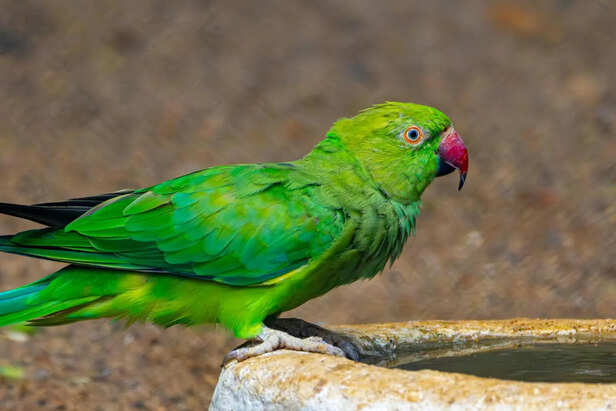
Exotic Bird Enjoying a Healthy and Balanced Diet
<p>A vibrant exotic bird actively feeding on a balanced mix of pellets and fresh foods, showing natural eating behavior.</p>

A healthy diet in exotic birds is reflected through several visible signs, including bright, well-groomed feathers, clear eyes, and energetic, active behavior. Birds maintain an appropriate body weight with strong muscles and exhibit normal, consistent droppings, indicating good digestion and nutrient absorption. They show interest in a variety of foods and engage in natural foraging behaviors, such as pecking and shredding. Additionally, birds on a balanced diet experience fewer illnesses, have a robust immune system, and display overall vitality, alertness, and longevity, all of which indicate that their nutritional needs are being properly met.

Celebrate the bond with your pets, explore Health & Nutrition, discover Breeds, master Training Tips, Behavior Decoder, and set out on exciting Travel Tails with Times Pets!

Frequently asked questions (FAQs)

  1. Can birds survive only on seeds?

    No, a seed-only diet lacks essential nutrients and can lead to serious health problems.

  2. How often should I feed my bird fresh food?

    Fresh fruits and vegetables should be given daily in small, controlled portions.

  3. What should be the main component of an exotic bird’s diet?

    The main component should be high-quality pellets, as they are specially formulated to provide balanced nutrition. These should be supplemented with fresh fruits, vegetables, and a small portion of seeds or nuts.

  4. How often should I feed my exotic bird?

    Exotic birds should be fed daily with fresh food and clean water. Most birds benefit from a consistent feeding routine, usually in the morning and a light refill later in the day.

Sign up to read this article
Read news from 100's of titles, curated specifically for you.
Already a member? Sign in here
Related Stories
Top stories on inkl right now
One subscription that gives you access to news from hundreds of sites
Already a member? Sign in here
Our Picks
Fourteen days free
Download the app
One app. One membership.
100+ trusted global sources.