
Get all your news in one place.
100’s of premium titles.
One app.
Start reading
Woman & Home
Woman & Home
Lifestyle
Kat Storr

A simple diet change could mean 330 fewer calories a day without even trying, new research reveals

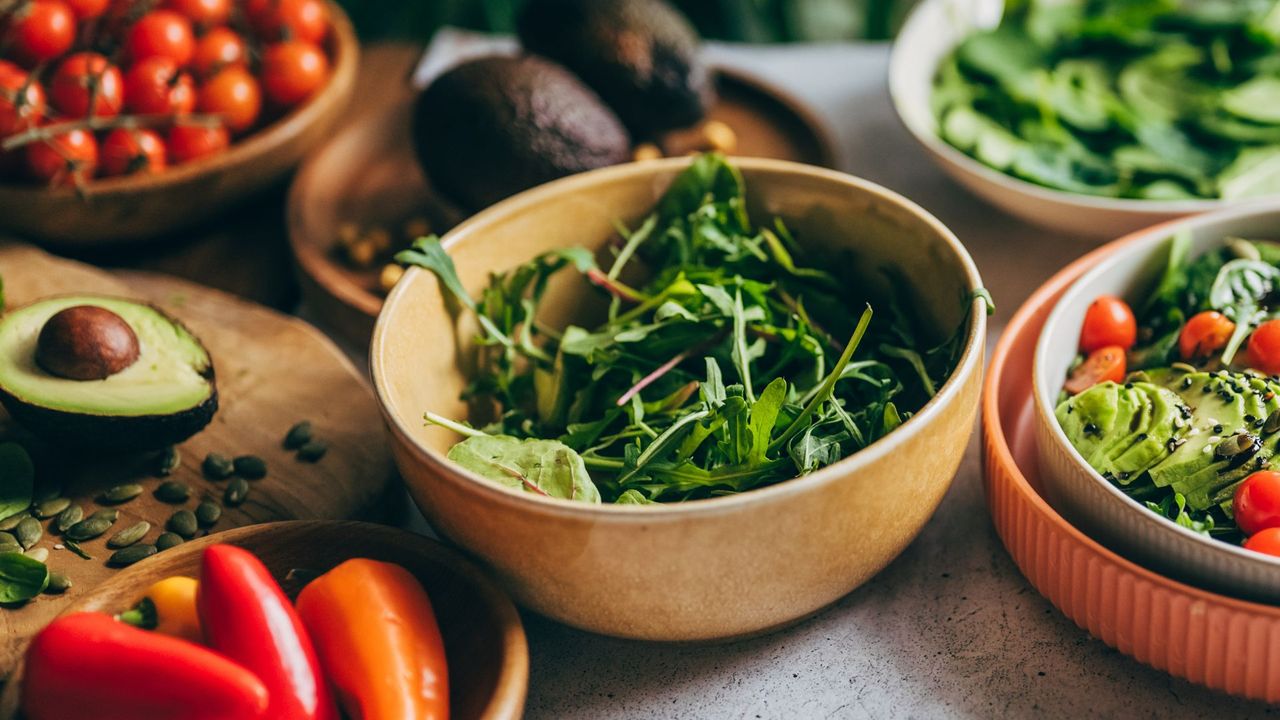
Collection of unprocessed foods, including rocket, avocados, tomatoes, and peppers.

When it comes to sustainable weight loss, simple swaps are the answer - and new research has just added to the ever-growing list of evidence.

Consuming whole foods like fruit and vegetables triggers our brain to want more of them, rather than higher-calorie, processed foods.

The study, led by experts from the University of Bristol and published in the American Journal of Clinical Nutrition, found that participants who ate only unprocessed foods like fruit and vegetables consumed more than 50% more food by weight than those who ate only UPFs (ultra-processed foods). However, they were consuming 330 fewer calories per day.

To lose weight, you need to be in a calorie deficit (where you consume fewer calories than you burn every day). Switching to a primarily unprocessed diet could help with this, as it's already considered the best diet for longevity.

The research, published in the American Journal of Clinical Nutrition, reanalysed data from a landmark 2019 American clinical trial that concluded eating UPFs has a significant impact on calorie intake and weight gain. The study followed 20 weight-stable adults on a diet of unprocessed foods or a diet of UPFs for two weeks. The groups then switched diets.

The group that ate only whole foods piled their plates with fruit and vegetables, not the calorific foods, processed foods. The results showed that people who ate unprocessed foods consumed 57% more food on average, but these foods were typically lower in calories and fat.

The Bristol team investigated further and found that participants appeared to be filling up on nutrient-rich foods rather than energy-dense, higher-calorie foods such as rice, meat and butter. The researchers recognised this behaviour as nutritional intelligence or “micronutrient deleveraging”, which leads people to make smarter decisions when presented with wholefoods or processed alternatives.

Lead author Jeff Brunstrom, professor of experimental psychology at the University of Bristol, said: “It’s exciting to see that when people are offered unprocessed options, they intuitively select foods that balance enjoyment, nutrition, and a sense of fullness, while still reducing overall energy intake. Our dietary choices aren’t random – in fact, we seem to make much smarter decisions than previously assumed, when foods are presented in their natural state.”

Eating fewer calories doesn’t mean you have to be on a strict and restrictive diet with small portions. Vegetables and fruit are fibre-rich foods, and second to protein, fibre is the most filling macronutrient.

Making small changes to what you’re choosing to eat can help with weight management if that’s your goal, and general health and wellbeing, while still tasting delicious.

Prof Brunstrom says: "Overeating is not necessarily the core problem. Indeed, our research clearly demonstrated that consumers on a wholefood diet actually ate far more than those on a processed food [diet]. But the nutritional make-up of food is influencing choices, and it seems that UPFs are nudging people towards higher calorie options, which even in much lower quantities are likely to result in excess energy intake and in turn fuel obesity."

The obvious limitations of the study are that it only involved 20 participants and was only carried out for 28 days. However, the results have shown that weight management could be a lot easier for some people if they focus on lower-calorie and whole foods.

Sign up to read this article
Read news from 100’s of titles, curated specifically for you.
Already a member? Sign in here
Related Stories
Top stories on inkl right now
One subscription that gives you access to news from hundreds of sites
Already a member? Sign in here
Our Picks
Fourteen days free
Download the app
One app. One membership.
100+ trusted global sources.