When people start using GLP-1 medications like Ozempic, Mounjaro or Wegovy, they feel fuller and therefore they feel less hungry.
As a consequence, daily calorie intake tends to fall, promoting weight loss.
That’s the happy side-effect. A less pleasant side-effect is often poor gastrointestinal tolerance, resulting in feelings of nausea, or bouts of constipation or diarrhoea.
London-based nutritional therapist and personal trainer Tomas Mitkus says another negative consequence of a restricted diet is a reduction in vital vitamins, nutrients and especially dietary fiber.
“Fiber intake is often low for GLP-1 users,” the founder of Healthier Sapiens tells Fit&Well.
“Generally, in the population, people rarely hit their daily recommended intake.” For women, that’s in the region of 25g of fiber per day; for men that's around 30g.
“People on average get half of that,” Mitkus says. “Increasing high-fiber, minimally-processed carb sources like vegetables, legumes and wholegrains would be beneficial for everyone—and especially for people using GLP-1 medication.”
Technically a sub-category of carbohydrates found naturally in plants, fiber is considered by many dietitians to be the fourth macronutrient, along with protein, fats and carbs.
But unlike carbohydrates in the form of sugar and most starches, dietary fiber can’t be digested in the small intestine, meaning it reaches the large intestine intact, helping maintain a healthy digestive system.
Fiber-rich foods like fruit, vegetables, pulses, seeds, nuts and wholegrains also provide a diverse range of other essential nutrients like vitamins, minerals and powerful antioxidants called polyphenols that can help prevent common diseases.
“It’s important to clarify that fiber is not as important as protein when taking GLP-1s,” cautions Mitkus. “Protein is vital to maintain muscle mass when using GLP-1s and is non-negotiable.”
Fiber, he says, is often recommended because it can help reduce common side-effects like constipation, bloating and indigestion that affect a decent proportion of users.
“Some research shows that even if you do nothing else but get enough fiber in your diet, you will start to lose fat and weight over time because your gut microbiome changes.”
Tomas Mitkus, nutritional therapist and personal trainer
“But the number one reason why fiber is so important is that it helps support the gut microbiome,” Mitkus says.
A common issue for people using GLP-1s is that, because hunger is suppressed and calorie intake reduced, intake of vital vitamins and nutrients can dip.
“When you don't consume enough healthy foods your gut microbiome can take a huge beating,” Mitkus says.
He also points to evidence, which shows that increasing fiber intake alone can aid weight loss.
“Some research shows that even if you do nothing else but get enough fiber in your diet, you will start to lose fat and weight over time because your gut microbiome changes.
“It’s a really healthy macronutrient for everybody because of its long-term health benefits.”
Best sources of dietary fibre when using GLP-1s
Mitkus says everyone should try to hit the recommended daily targets of dietary fiber, but acknowledges that this can be difficult when taking weight loss medication.
“It’s obviously harder when your appetite is suppressed because fiber is satiating as well,” he says.
“But making smart swaps, like beans, lentils, or pasta and noodles made from lentils instead of rice or pasta, can boost fiber intake by two to three times while consuming fewer calories.
“Swapping honey, sugar or other sweeteners for chicory root syrup is also one of the best things you can do. It's 50-65% fiber but has the same texture and taste of honey.
“You want to think: how do you ingest more and ingest smarter? That's where you will get the greatest benefit.”
Here are some other low-effort ways Mitkus recommends for everyone, and especially GLP-1 users, to increase their intake of dietary fiber.
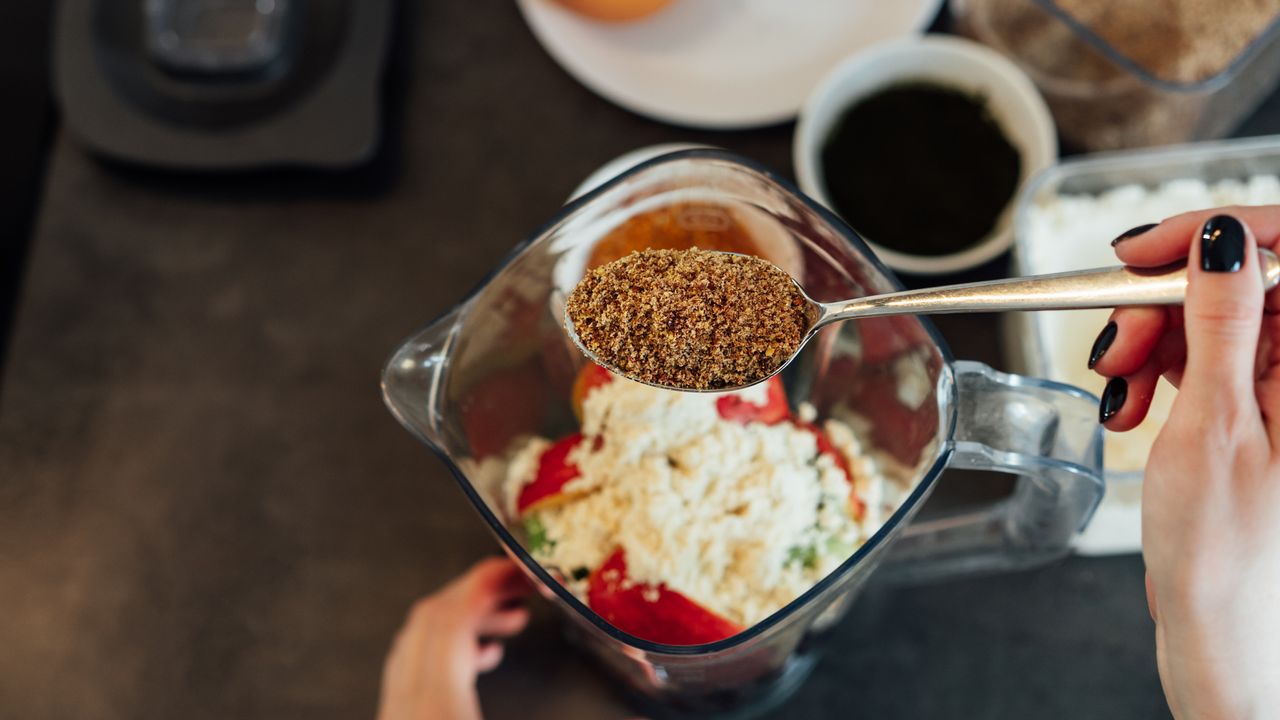
- Add to your shake: oats, chia seeds, linseeds, flaxseed, hemp seed
- Mix with yoghurt: raspberries, blueberries, blackberries, high-fiber bran sticks
- As a sweet snack: pears or apples, including the skin
- As a savoury snack: edamame beans