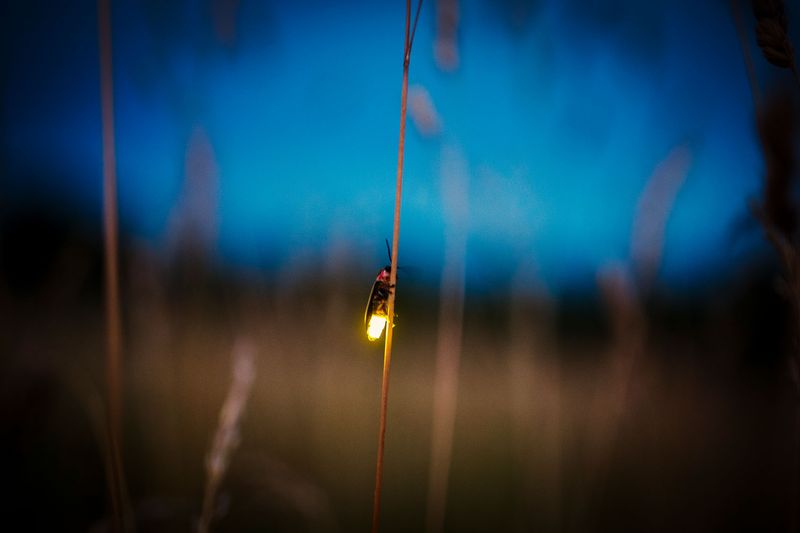
Can we save fireflies from extinction? An estimated 1 in 3 firefly species are endangered thanks to light pollution, habitat loss and pesticides Salon · Sep 21, 2023
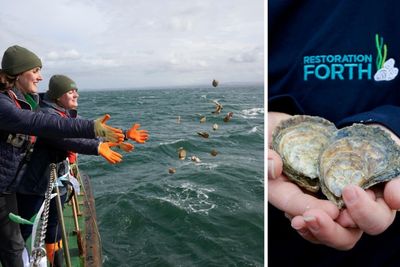
Native oysters return to Firth of Forth for first time in 100 years NATIVE oysters have returned to a Scottish firth for the first time in 100 years following a restoration project ... The National (Scotland) · Sep 21, 2023
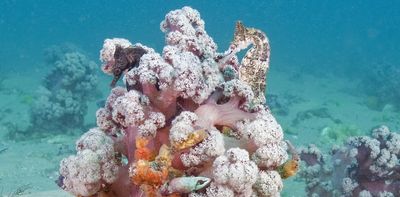
Sex life discovery raises IVF hope for endangered purple cauliflower soft coral Vital coastal habitat was destroyed in the devastating floods that hit New South Wales in 2021 and 2022. The Conversation · Sep 20, 2023
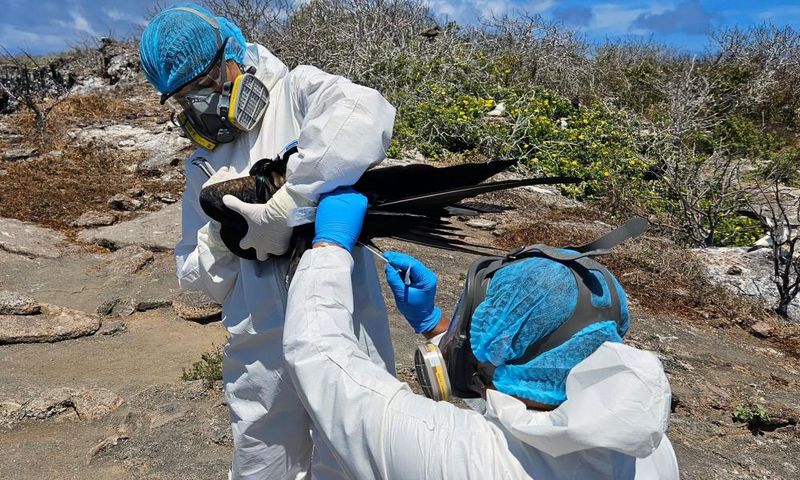
Galápagos Islands tightens biosecurity as avian flu threatens unique species Scientists confirm three birds have died from virus as park authorities redouble efforts to protect islands’ endemic birds The Guardian - US · Sep 20, 2023
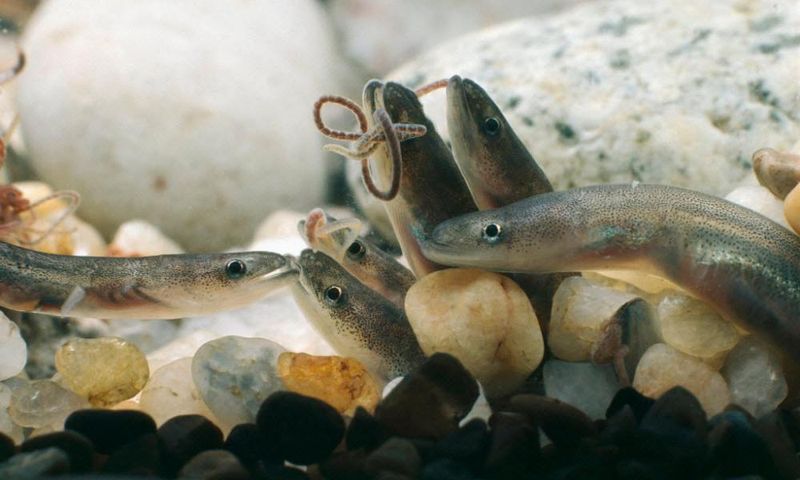
‘We are living in a soup of DNA’: how new technology is helping track eels in UK ponds Armed with plastic pots, probes and the science of eDNA, researchers in Gloucestershire are searching for evidence of the critically endangered fish The Guardian - UK · Sep 20, 2023
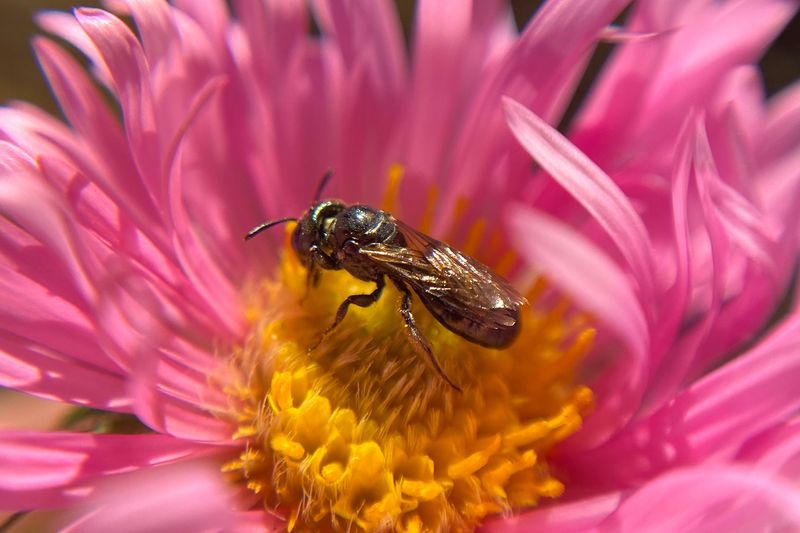
Bee health linked to good parenting A tiny species of carpenter bee, the spurred ceratina, depends on maternal care to have healthy microbiomes Salon · Sep 20, 2023
Exhibition of photographs of birds in Thiruvananthapuram honours KK Neelakantan, popularly known as Induchoodan, on the occasion of his birth centenary kk neelakantan or induchoodan remembered with an exhibition of bird photographs in thiruvananthapuram by over 80 photographers The Hindu · Sep 20, 2023
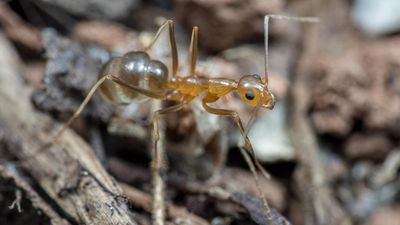
Blitz squashes crazy ants at Qld sites but war rolls on Yellow crazy ants have been eradicated from two large sites south of Cairns after years of intense effort, but many more battlegrounds remain. AAP · Sep 20, 2023
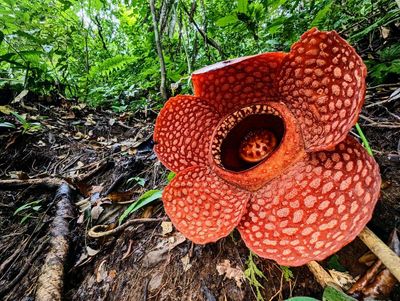
The world’s largest – and stinkiest – flower in danger of extinction, scientists say The 42 known species of the parasitic plant Rafflesia, known as the corpse flower, are endangered due to destruction of forest habitats The Guardian - UK · Sep 20, 2023
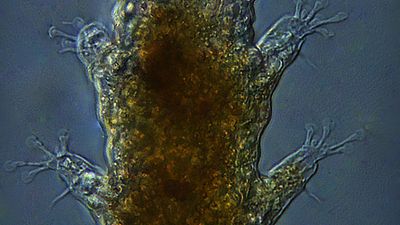
New marine tardigrade species named after former President A.P.J. Abdul Kalam CUSAT researchers discover new species of marine tardigrade, Batillipes kalami, in Mandapam, Tamil Nadu. Named after late President A.P.J. Abdul Kalam, it is the second marine tardigrade species from India and the first from the east coast. It is the 37th species of the genus Batillipes and is 0.17mm in… The Hindu · Sep 19, 2023
‘Mutilating the tree of life’: Wildlife loss accelerating, scientists warn Study finds species groups are going extinct 35 times faster than the previous million years because of human activity The Guardian - UK · Sep 19, 2023
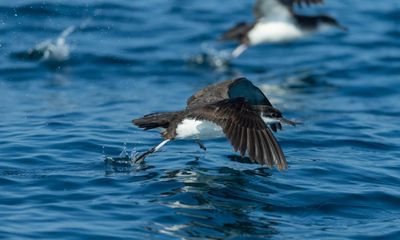
Country diary: A wildlife festival worthy of the longest journey Spurn, Yorkshire: A monstrous convolvulus hawk moth caught the eye, but the great shearwater stole the show The Guardian - UK · Sep 19, 2023
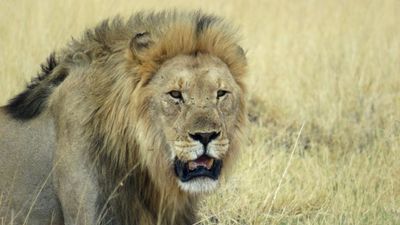
Study Warns That African Lions Are On The Brink Of Extinction African lions remain in only 25 countries and nearly half of these nations have fewer than 250 of the big cats. Zenger · Sep 18, 2023
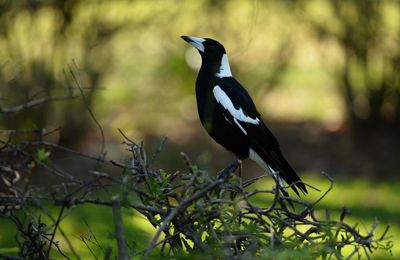
Australians are always told ‘don’t feed the birds’ – if you really must, here’s how to do it properly A magpie with no beak serves as a terrible reminder that in our enthusiasm we can feed our beloved wild birds too much, too often, and the wrong foods The Guardian - AU · Sep 18, 2023
The Conversation · Sep 18, 2023 The secret world of rhododendrons: a plant more ancient than the Himalayas that inspired fables and stories around the world If you have a rhododendron in your garden or pass one by on an afternoon walk perhaps you think of it as just a colourful and pretty shrub. You may have heard that they come from the Himalayas, and that they are invasive plants that destroy ecosystems.
The Conversation · Sep 18, 2023 Wild animals leave DNA on plants, making them easier to track – here’s what scientists found in a Ugandan rainforest The world is losing animals at an alarming rate due to habitat degradation, climate change and illegal human activities in the wildlife protected areas. In fact, it is estimated that, by 2100, more than half of Africa’s bird and mammal species could be lost.
Radio France Internationale · Sep 18, 2023 Coral threatened by chemicals, including several in sunscreen, French study confirms The French environmental health agency has confirmed the negative impact of certain chemicals on coral, including several substances present in sunscreens. With territories in three tropical oceans, France harbours ten percent of the world’s coral, which is already under threat from climate change.
The Independent UK · Sep 17, 2023 Environmentalists hold ‘wake’ for Lough Neagh over toxic algae bloom Campaigners dressed in black and carried a makeshift coffin.
The Hindu · Sep 17, 2023 Cats are killing India’s birds. Are we paying attention? Birds in India are facing poor conditions due to many factors, including cats. Studies have found cats to be the "single greatest source of anthropogenic mortality" for birds and mammals in the US. Ecologist Monica Kaushik has studied cats' hunting habits in Dehradun and found pet cats hunt birds the…
The Hindu · Sep 17, 2023 Shore bird from Arctic region makes a stopover in urban water body in Coimbatore Rare Red-necked phalarope spotted at Kurichi tank in Coimbatore by birders on Sunday. Group of 17 birders spotted the species, which is believed to be the record of the species in Coimbatore after a decade. The Red-necked phalarope (Phalaropus lobatus), a shore bird that breeds in the Arctic region, possibly…
The Hindu · Sep 16, 2023 Over 75% of European bumblebee species threatened in the next 40-60 years 75% of Euro. bumblebee species may be threatened in 40-60 yrs due to human-driven habitat degradation & climate change. Global change mitigation policies are needed to protect them. Results show 38-76% of non-threatened species may lose 30% of their territory by 2061-2080. Scandinavia may become refuge, but effects of finer-scale…
Dynamite News · Sep 16, 2023 Ground-nesting birds design their nests to hide from predators: Study According to new research, ground-nesting birds known as lapwings exploit the design of their nests and surroundings to hide from predators. Read further on Dynamite News:
The Guardian - UK · Sep 16, 2023 ‘We’ve underrated what these birds can do’: the secret life of Skomer’s guillemots Tim Birkhead’s life’s work reveals the unexpectedly colourful lives of gregarious guillemots on the Welsh island of Skomer
The Guardian - UK · Sep 16, 2023 Country diary: The bees are exhausted, the butterflies frayed Seaham coastal path, County Durham: It’s the end of summer, and around the blackberry bush, all that was pristine and purposeful is now a little worse for wear
The Guardian - AU · Sep 16, 2023 What’s in a name? The renaming of the pink cockatoo is no small thing in Australia’s violent history This beautiful bird’s former name represented colonial dominance – and told us nothing about the species