
Get all your news in one place.
100’s of premium titles.
One app.
Start reading
Homes & Gardens
Homes & Gardens
Tenielle Jordison

You’re Forgetting to Tidy One Area of Your Yard and it’s Attracting Pests – 5 Things Experts Urge You to do Right Now to Prevent the Problem

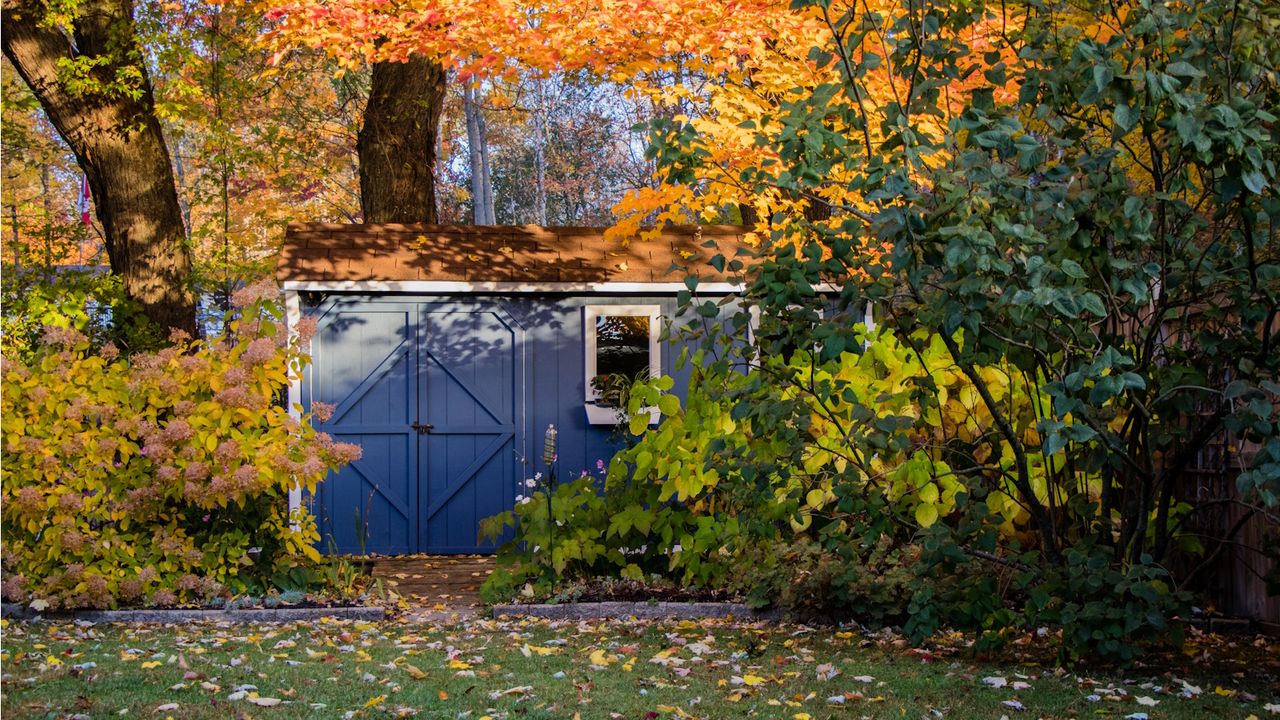
Garden shed in fall.

I don't know about you but I feel like there's a never-ending list of things to get done this month before winter truly arrives and frost takes over my yard. In the midst of mulching and pruning, I realized there's one area of my yard I've neglected to give any attention: the shed.

While giving your shed a tidy up may be low down on your fall gardening checklist, it's actually quite important to give it some TLC before you retreat indoors for winter. Pest control experts say that messy, unorganized, debris-filled sheds are the perfect spot for overwintering pests to hide. When spring comes around, they may just make their way into your yard and cause mayhem among your planting. Plus, they could cause damage within your shed in the meantime.

Luckily, it's super easy to fix this issue. Here, pest control experts share which type of winter garden pests may use this space in your yard and five quick steps to stop pests overwintering in your shed.

Which pests overwinter in garden sheds?

(Image credit: Getty Images/Timefreezer)

There are quite a few pests that can be found lurking in garden sheds in winter, according to pest control experts.

'Throughout winter, pests will ultimately search for warmth, shelter, food, and water. Your garden shed provides all of these things in one relatively safe space,' says Daniel Baldwin, entomologist at Hawx Pest Control.

'Boxelder bugs, for example, are likely to search for warm locations, squeezing through tiny cracks and gaps in doorways or windows. These areas offer protection, allowing them to overwinter indoors until spring arrives.

'Rodents, such as rats and mice, may also be tempted into your garden sheds during winter due to the cold temperatures and food sources becoming harder to find outdoors,' Daniel notes.

Other pests that destroy plants and small mammals that may cause damage to your shed contents may also find a hiding spot here, as unorganized sheds with piles of debris, dirty tools, and open food sources (like bird seed) provide the perfect spot for some shelter during winter.

Not spotting them can risk bigger issues, like nests and infestations, which is why taking preventative measures now is well worth it.

Luckily, there are a few things that can be done to stop pests overwintering in your shed:

5 ways to stop pests overwintering in your shed

No matter what shed idea you have in your yard, it's important to give it some attention before the depths of winter arrive. Messy spaces are more susceptible to attracting pests. That's why pest control experts recommend following these five steps to get your shed in order ahead of the coldest season:

1. Seal all entry points

(Image credit: L&D Photography via Alamy)

The first thing to do when trying to stop pests overwintering in your shed is make it impossible for them to get in.

'Inspect all exterior walls, foundations, and vents to ensure they are sealed and in good condition,' Daniel advises.

'Remember, mice can fit through a hole that is less than 1/16 inch in diameter, so be sure to fill any cracks or holes you find with caulk (from Amazon) or foam,' he adds.

Make sure any windows are shut and consider putting in place draft excluders (from Amazon) if your shed door has a gap beneath it.

As a bonus, this will also help weatherproof your shed for the harshest weather conditions and keep your contents inside safe and secure.

2. Remove food sources

(Image credit: Getty Images/Kypros)

If your garden shed doesn't provide what pests are looking for, they're less likely to take up residence in it. This includes removing food sources.

'Many people store things like bird seed or pet food in sheds, so many pests have all the food they need to survive,' says Jeff Schumacher, owner at All-Safe Pest & Termite. 'You can easily cut off their food supply by sealing containers,' he adds.

These bird seed storage containers from Amazon are a good choice, for example.

Bulb and seed storage is also important, like this seed tin from Amazon. Make sure to keep your potting shed organized with these containers neatly put on shelves to ensure they don't fall over and accidentally open.

3. Get your tools in order

(Image credit: JohnnyGreig / E+ / Getty Images)

It's important to clean your gardening tools and store garden tools properly over winter. Leaving them dirty and lying around is more likely to entice pests in.

You can use warm water and cleaning vinegar (from Amazon) to get your tools in prime condition, before hanging them up with a wall tool organizer (from Amazon) or placing them in a storage box.

The same goes for bags of potting mix and compost. Leaving them open provides a toasty spot for destructive critters to crawl into. When you later spread it in your yard, you may be delivering pests directly to your plants.

'Keep tools, bags of soil, and other items organized on shelves or in lidded plastic totes to ensure pests aren’t able to use them to hide,' Daniel says.

These jumbo sealable storage bags from Amazon may be useful in securing soil bags, for example.

4. Clear out debris

(Image credit: Ernie Janes via Alamy)

Just like fallen leaf piles and deadwood in the yard, any garden waste and debris sitting in your shed will attract pests. It provides shelter and hiding spots for them, away from the cold temperatures outdoors.

'Pests often thrive in messy spaces, so it’s really important to keep your shed clean and clutter free,' says Daniel. 'Sweep the floor to remove debris, and avoid storing items in piles on the ground,' he says.

Shed storage can be really handy for this, like these resin boxes from Amazon.

'You also shouldn’t stack things right up against walls, and make sure water drains away from the shed so it doesn’t stay soggy,' says Jeff. 'Less moisture and clutter make the shed far less inviting to insects,' he notes.

5. Use organic pest repellents

(Image credit: Trevor Chriss via Alamy)

As well as getting your shed in ship-shape for winter, you can be extra cautious by using natural pest control methods to repel pests from your shed.

'The scent of peppermint is strong and is often disliked by certain pests, which can deter them from living in areas where it’s present,' says Daniel.

'Homeowners can dilute a few drops of peppermint oil (from Amazon) with water in a spray bottle and apply to the areas where you have seen pests, such as behind shelves, in corners, and near entry points or cracks within walls,' he advises.

You can also purchase peppermint pest spray (from Amazon) and use spices to deter common garden pests, like chili powder.

FAQs

What should I do if I find mice in my shed?

If you have only spotted one or two mice, you can take measures to make your shed less attractive to them. This includes removing food sources and tidying up tools and debris to remove shelter. You should also seal any entry points. If you have a a larger rodent presence in your shed, it's advised to seek professional pest control help.

While preparing your yard to stop pests overwintering in your shed, why not also take the opportunity to declutter your shed? Your future self will thank you for getting it in shape now, ready for a busy spring gardening season.

Get your shed organized with these accessories:

Sign up to read this article
Read news from 100’s of titles, curated specifically for you.
Already a member? Sign in here
Related Stories
Top stories on inkl right now
One subscription that gives you access to news from hundreds of sites
Already a member? Sign in here
Our Picks
Fourteen days free
Download the app
One app. One membership.
100+ trusted global sources.