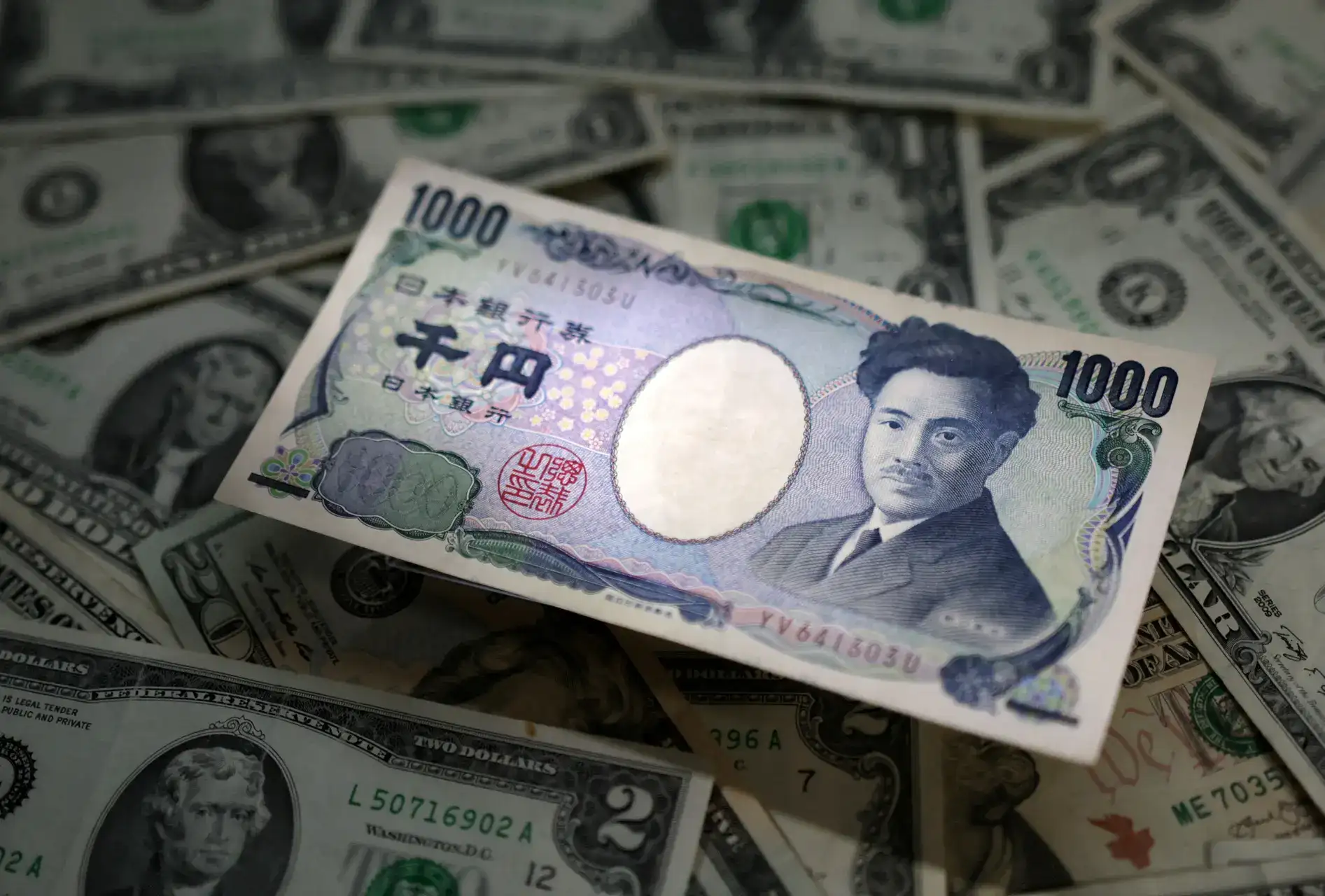
The Japanese yen held gains above recent 40-year lows on Monday after Japan and the United States launched a rare joint yen-buying intervention and vowed to take further action if needed to shore up the currency. The intervention on Friday underscored both countries' resolve to prevent a selloff in the yen and Japanese government bonds from causing global spillovers, such as adding upward pressure on already rising U.S. Treasury yields, analysts said. The joint intervention, announced by Japan's finance ministry and U.S. Treasury Secretary Scott Bessent, was the first since 2011's coordinated action to weaken the yen following a devastating earthquake in eastern Japan. Central bank data indicated on Monday that Japan may have spent as much as $36.58 billion buying yen during Friday's joint intervention.
The U.S. Treasury sold euros to buy yen, three sources familiar with the matter said, though the amount spent was not known. A Treasury spokesperson did not respond to requests for further information on the joint operation, which utilized a COVID-19 era Federal Reserve backstop for major central banks. President Donald Trump said on Sunday the United States was helping Japan prop up the yen as a sign of friendship and to help the world economy.