Get all your news in one place.
100’s of premium titles.
One app.
Start reading
Frugal Gardening
Frugal Gardening
Brandon Marcus

Why Unharvested Fruit Can Damage Trees in Fall

Image Source: 123rf.com

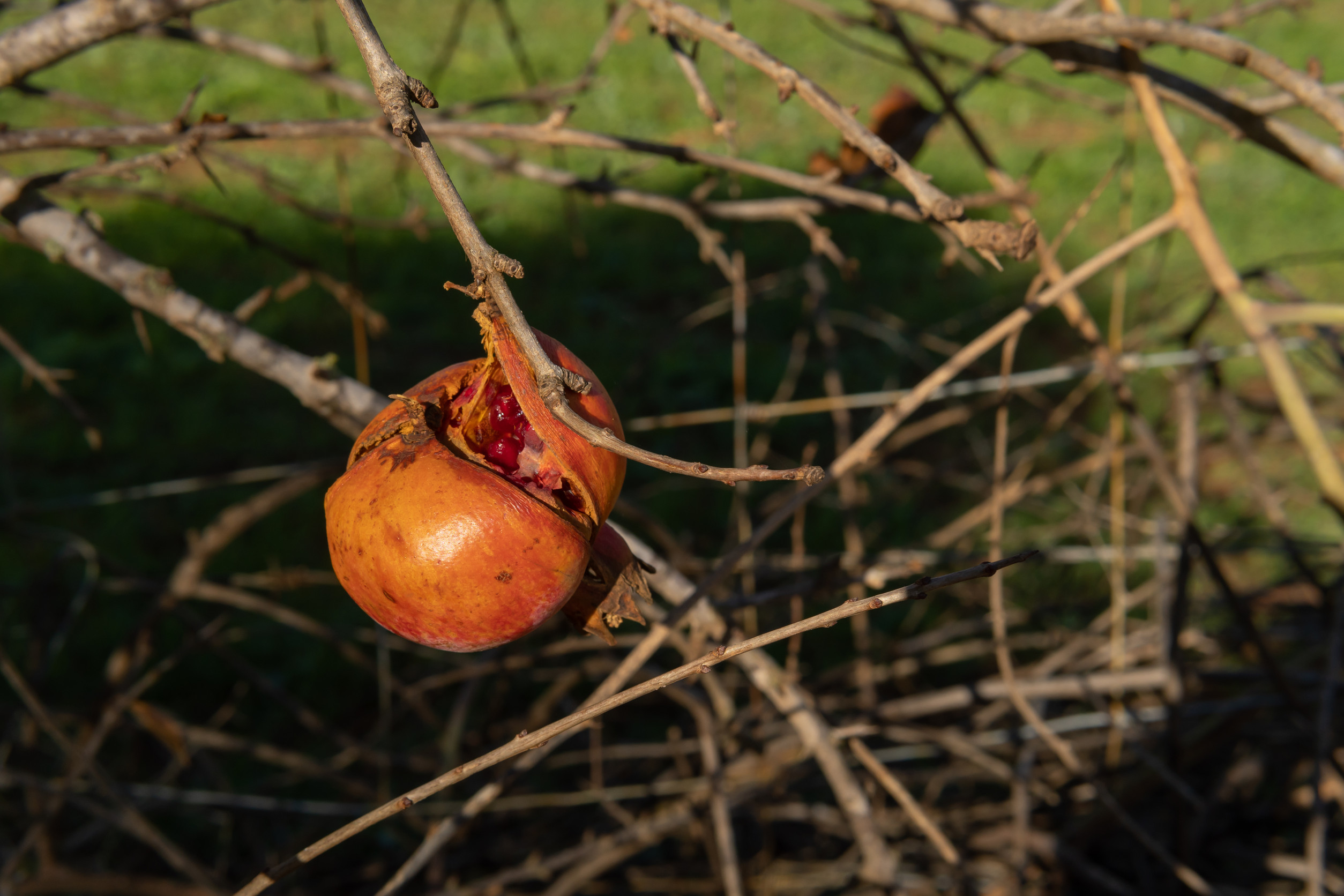
You’ve done it—you planted your fruit trees, nurtured them through spring blossoms, and watched them proudly bear fruit through summer. But now fall is here, and the harvest window has passed… yet those apples, pears, or plums are still hanging there, soft and overripe. You tell yourself you’ll get to them “next weekend,” but next weekend turns into winter.

Here’s the surprising truth: leaving unharvested fruit on your trees isn’t just lazy gardening—it can actually harm your trees in big ways.

Rotting Fruit Attracts Unwanted Guests

Unharvested fruit is like a neon sign for pests. Wasps, fruit flies, raccoons, and even deer are all drawn to the sugary scent of decaying fruit. Once they show up for the feast, they don’t just eat the leftovers—they stick around and start damaging the tree itself. Pests can chew on bark, lay eggs near roots, or spread disease from one branch to another. By cleaning up fallen and hanging fruit early, you’re not only saving your trees—you’re cutting off a pest buffet before it even starts.

Fungal Infections Love a Messy Orchard

When fruit rots, it becomes a perfect breeding ground for fungal diseases like brown rot, apple scab, and powdery mildew. These diseases don’t just attack the fruit—they can spread into branches, buds, and even the trunk. Come spring, you might notice fewer blossoms or weaker growth, and that’s often because last fall’s fruit wasn’t cleared away. Spores can overwinter on unharvested fruit, ready to infect again when the weather warms. Keeping trees clean in fall is one of the best ways to prevent that vicious fungal cycle.

Excess Fruit Weakens the Branches

A tree overloaded with unpicked fruit in fall can actually injure itself. Those fruits—especially heavy ones like apples, pears, and peaches—put constant pressure on the branches, which may snap under the weight. Even if they don’t break, the strain can weaken the limbs and reduce next season’s fruiting potential. The result? A tired tree that needs time to recover rather than thrive. Harvesting before fruit becomes too heavy helps the tree conserve energy and maintain structural strength.

Image Source: 123rf.com

Unharvested Fruit Can Confuse the Tree

Believe it or not, trees respond to leftover fruit in odd ways. When fruit remains on branches, the tree’s internal cycle can get disrupted—it may interpret that as a signal that reproduction is still in progress. That confusion can delay dormancy, making the tree more vulnerable to cold snaps and frost. In short, your apple tree might be “thinking” it’s still mid-season when winter is already knocking. By clearing fruit early, you help your trees follow their natural rhythm and prepare for the season ahead.

Mold and Decay Damage More Than You Think

Rotting fruit doesn’t just smell bad—it can actually damage the bark and buds around it. As the fruit decays, it releases moisture and microorganisms that cling to the branch surface. Over time, this creates pockets of mold that can weaken bark tissue and invite rot deeper into the tree. In worst cases, these infections can lead to cankers or slow dieback in affected limbs. A little post-harvest cleanup now can prevent a lot of heartbreak later.

Leftover Fruit Invites Rodents and Big Pests

Mice, rats, squirrels, raccoons, and even bears (depending on where you live) love a late-season snack. Once these larger critters discover your unharvested fruit, they might start treating your yard like a personal buffet. They’ll gnaw on bark, dig near roots, and damage branches while climbing to reach fruit. Worse yet, some may stay for the winter, nesting nearby and causing further problems. A clean orchard floor discourages these furry freeloaders and keeps your property safer and healthier.

Unharvested Fruit Can Affect Next Year’s Crop

Here’s the kicker: leaving fruit behind this year can actually reduce next year’s yield. Fruit left to rot often carries pathogens or insects that overwinter in soil and bark crevices. When spring arrives, those pests emerge just in time to attack new buds and blossoms. The cycle continues unless you break it with good fall maintenance. Regular harvesting and cleanup mean your trees start each growing season fresh, healthy, and ready to produce again.

It’s Bad for Pollinators, Too

You might think, “Well, at least some wildlife will enjoy the leftovers,” but even pollinators can suffer indirectly. When fungal spores or bacteria spread through fallen fruit, they can contaminate the blossoms that bees and other insects rely on in spring. Pollinators visiting infected flowers risk spreading the disease further across your orchard—or even your neighborhood. A tidy tree means healthier blooms and a safer ecosystem for the beneficial insects that help your garden thrive. Cleaning up fruit isn’t just about looks—it’s about protecting the entire pollination chain.

A Clean Tree Is a Happy Tree

Leaving unharvested fruit hanging through fall may seem harmless, but it’s one of the biggest hidden threats to your orchard’s health. Between pests, fungus, rot, and structural strain, that “forgotten” fruit can cause more trouble than it’s worth. The good news? Prevention is simple—harvest on time, clean up fallen fruit, and give your trees a chance to rest easy before winter sets in. Your reward will be stronger branches, healthier growth, and a bountiful harvest next year.

Have your own fruit-tree horror story or clever cleanup trick? Share your thoughts, tips, or tales in the comments section below.

You May Also Like…

The post Why Unharvested Fruit Can Damage Trees in Fall appeared first on Frugal Gardening.

Sign up to read this article
Read news from 100’s of titles, curated specifically for you.
Already a member? Sign in here
Related Stories
Top stories on inkl right now
One subscription that gives you access to news from hundreds of sites
Already a member? Sign in here
Our Picks
Fourteen days free
Download the app
One app. One membership.
100+ trusted global sources.