Famed singer Harry Styles recently canceled a scheduled performance in São Paulo, Brazil, after falling ill during his ongoing tour, disappointing thousands of fans who had gathered for the concert. The singer announced that he had been advised not to perform while he recovered, emphasizing that the decision was made on medical advice rather than personal preference.
The cancellation has sparked widespread discussion across social media, with fans, fellow musicians and entertainment figures sending messages of support. Beyond the headlines, Styles' experience highlights a reality faced by many people who travel frequently: illness can develop unexpectedly while away from home, even with careful planning.
The Famed Singer Had a Tough Decision to Make
According to multiple reports, Styles informed fans that he had become ill while touring and that healthcare professionals advised him to cancel his scheduled show in Brazil. Although the exact nature of his illness has not been publicly disclosed, the singer apologized to fans and expressed disappointment about being unable to perform.
In his message, Styles thanked fans for their patience and support, noting that he was prioritizing his recovery before returning to the stage. "We deeply regret to share that the Harry Styles show on Tuesday, July 21, 2026, at MorumBIS has been canceled due to tour illness," a statement from his team said.
News of the cancellation quickly spread across entertainment media, with many artists and fans wishing him a speedy recovery. While concert cancellations are often frustrating for audiences, medical experts generally agree that continuing strenuous performances while ill may prolong recovery, worsen symptoms or increase the risk of transmitting infectious illnesses if the underlying condition is contagious.
For touring performers, frequent international travel, disrupted sleep schedules, changing climates, physically demanding performances and prolonged exposure to large crowds can all increase the likelihood of becoming ill during a tour.
What Could Lead to a 'Tour Illness?'
While Harry Styles' specific illness has not been identified publicly, travel medicine specialists note that several illnesses commonly affect people traveling for work or leisure.
Respiratory Infections
Viruses such as the common cold, influenza, and COVID-19 remain among the most frequent illnesses affecting travelers. Long flights, crowded airports and close contact with large groups may increase exposure to respiratory viruses.
Common symptoms include:
- Fever
- Sore throat
- Cough
- Nasal congestion
- Fatigue
- Body aches
Diagnosis usually involves a medical history, physical examination, and, when appropriate, laboratory testing for viral infections. Treatment depends on the cause and may include rest, hydration, fever-reducing medications or antiviral drugs in selected cases.
Gastrointestinal Infections
Traveler's diarrhea is one of the most common travel-related illnesses and is often caused by bacteria, viruses, or parasites acquired through contaminated food or water.
Symptoms may include:
- Diarrhea
- Stomach cramps
- Nausea
- Vomiting
- Fever
- Dehydration
Most cases improve with oral rehydration and rest, although antibiotics or antiparasitic medications may be recommended in certain situations.
Heat-Related Illness
Traveling to warmer climates or performing outdoors can increase the risk of dehydration and heat exhaustion, particularly for performers engaged in physically demanding activities.
Warning signs include:
- Excessive sweating
- Dizziness
- Muscle cramps
- Weakness
- Headache
- Rapid heartbeat
Prompt cooling, hydration, and medical evaluation are important, especially if symptoms progress toward heat stroke.
Stress, Fatigue and Jet Lag
International travel often disrupts normal sleep patterns and circadian rhythms. Combined with demanding work schedules, insufficient rest can weaken the immune system and make travelers more vulnerable to infections.
How Travel Illnesses Can Be Prevented
Travel medicine experts recommend several steps to reduce health risks while traveling:
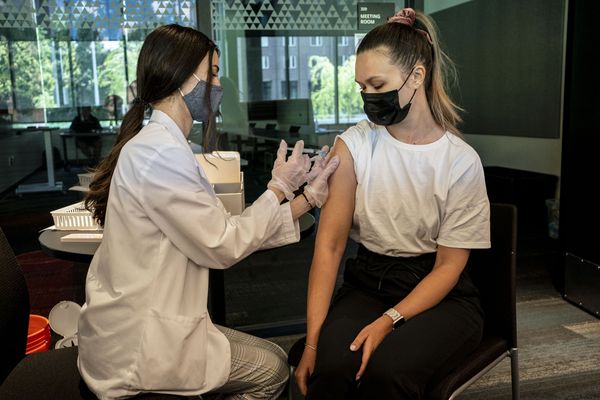
- Stay up to date on recommended vaccinations.
- Wash hands frequently or use alcohol-based hand sanitizer.
- Drink safe water and eat properly prepared food.
- Maintain adequate hydration.
- Get sufficient sleep whenever possible.
- Manage stress and avoid overexertion.
- Seek medical care promptly if symptoms become severe or persist.
For people traveling internationally, especially to unfamiliar destinations, consulting a travel medicine specialist before departure may also help identify destination-specific health risks and recommended preventive measures.
Risks Are Always Taken When Travelling For Work
Harry Styles' canceled concert serves as a reminder that illness can affect anyone, regardless of age, fitness level, or profession. Although his exact diagnosis has not been released, his decision to follow medical advice rather than continue performing highlights the importance of recognizing when rest and treatment are necessary.
His experience also reflects challenges faced by millions of people who travel for work every year. Business travelers, flight crews, athletes, musicians and tourists all encounter factors that can increase the risk of illness, including disrupted sleep, frequent public exposure and physically demanding schedules.
For the general public, the case reinforces the importance of preparing for travel by maintaining healthy habits, practicing good hygiene and seeking medical attention when symptoms develop. Whether traveling for work or vacation, prioritizing health not only supports a faster recovery but can also help prevent illness from disrupting important plans, or spreading to others.