Get all your news in one place.
100’s of premium titles.
One app.
Start reading
MyLifeXP
MyLifeXP
Noopur Kumari

Why Is Shiva Called the Lord of Stillness in a Noisy World?

In today’s fast world, anxiety, overthinking, and emotional pressure feel constant. Yet for centuries, millions have found calm not in noise but in silence. They turn to Shiva, the great ascetic, the destroyer of chaos, and the symbol of deep meditation. Worshipping Lord Shiva is not only a religious ritual. It is a psychological and spiritual practice that gently guides the mind toward stillness. From chanting mantras to silent meditation, Shiva devotion has long been associated with mental peace and emotional stability. Let us understand why this connection feels so powerful and real.

Shiva as the Symbol of Stillness

The Meditating Lord of Silence
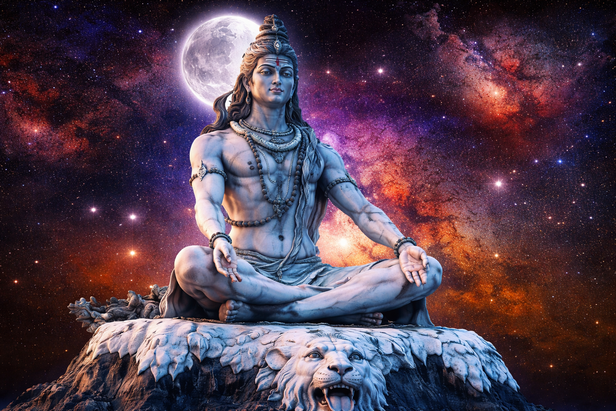
<p>Lord Shiva in deep meditation reflects perfect emotional balance.</p>

Lord Shiva is always shown in deep meditation on Mount Kailash. His closed eyes symbolize inward awareness. This imagery itself acts as psychological guidance. When devotees focus on his calm posture, the mind subconsciously slows down. In spiritual psychology, visual concentration reduces mental agitation. Chanting Om Namah Shivaya while visualizing Shiva’s peaceful form regulates breathing patterns and lowers stress levels. The symbolism teaches that true strength lies in calmness. By meditating on Shiva, devotees mirror his stillness, creating emotional stability within themselves.

Destroyer of Negativity

The Fire That Burns Inner Chaos
<p>Shiva’s energy represents transformation and release of negativity.</p>

Shiva is known as the destroyer, but destruction here means removing negativity. Anger, fear, ego, and emotional pain are considered inner toxins. In mythology, Shiva drank poison during Samudra Manthan to save the universe. Spiritually, this story teaches emotional resilience. Devotees believe praying to Shiva helps absorb and release personal negativity. Psychologically, rituals create emotional closure and symbolic cleansing. This structured release reduces anxiety and overthinking. Worship becomes a method of emotional detox, helping individuals feel lighter and more balanced.

The Power of Mantra Chanting

Sacred Sound of Om Namah Shivaya
<p>Repeating Shiva’s mantra creates rhythm and mental clarity.</p>

The mantra Om Namah Shivaya is one of the most powerful Vedic chants. Repetition creates rhythmic breathing, which activates the parasympathetic nervous system. This calms the body and mind. Studies on mantra meditation show reduced cortisol levels and improved emotional control. Devotees often report feeling grounded and peaceful after chanting. The five syllables represent the five elements, symbolizing balance within nature and the self. Through daily repetition, worshippers build mental discipline, clarity, and emotional steadiness.

Simplicity Over Material Stress

Unlike other deities associated with wealth or luxury, Shiva lives as a yogi. Ash on his body, minimal possessions, and a life in the mountains symbolize detachment. This imagery encourages followers to release excessive attachment to material success and comparison. Modern stress often comes from competition and expectations. Shiva devotion reminds people that peace comes from simplicity. By internalizing this message, individuals reduce pressure and emotional instability. Spiritual detachment becomes a coping mechanism for modern mental burdens.

Structured Rituals Create Emotional Discipline

Fasting on Mondays, performing Rudrabhishek, offering water to the Shivling, and lighting a diya create routine. Psychological research shows that structured rituals reduce uncertainty and anxiety. When life feels unpredictable, ritual provides control and grounding. Devotees experience comfort in repetition. The act of bowing, praying, and focusing builds humility and mindfulness. Over time, this discipline strengthens emotional resilience. Worship becomes not only devotion but also a stabilizing daily practice that nurtures inner calm.

Spiritual Meaning Behind the Peace

Shiva is also called Adiyogi, the first teacher of yoga. Yoga itself is a system designed to unite mind, body, and consciousness. By connecting to Shiva, devotees symbolically connect to the roots of meditation and mindfulness. From an experiential and traditional perspective, generations have associated Shiva worship with clarity and courage. The practices are rooted in scripture, supported by meditative science, and preserved through centuries of spiritual discipline. This blend of mythology, psychology, and lived experience strengthens its credibility.

Unlock insightful tips and inspiration on personal growth, productivity, and well-being. Stay motivated and updated with the latest at My Life XP.

Frequently Asked Questions (FAQs)

1. Why is Lord Shiva associated with mental peace?

Shiva is depicted in deep meditation, symbolizing calmness and self control. His image inspires stillness, which helps devotees focus, slow their breathing, and reduce stress.

2. Does chanting Om Namah Shivaya really help the mind?

Many devotees believe that chanting this mantra creates rhythmic breathing and mental clarity. Repetition promotes relaxation and emotional balance.

3. Why is Shiva called Adiyogi?

Shiva is known as Adiyogi, meaning the first yogi. He represents the origin of yoga and meditation practices aimed at inner harmony.

4. How do Shiva rituals support emotional stability?

Regular rituals such as Monday fasting and offering water to the Shivling create routine and discipline, which can provide emotional grounding.

5. Can Shiva worship replace professional mental health care?

Spiritual practices can support emotional well being, but they should complement, not replace, professional medical or psychological care when needed.

Sign up to read this article
Read news from 100’s of titles, curated specifically for you.
Already a member? Sign in here
Related Stories
Top stories on inkl right now
One subscription that gives you access to news from hundreds of sites
Already a member? Sign in here
Our Picks
Fourteen days free
Download the app
One app. One membership.
100+ trusted global sources.