Get all your news in one place.
100’s of premium titles.
One app.
Start reading
The Independent UK
The Independent UK
Amira Arasteh

Why Croatian olive oil might be the Mediterranean’s best-kept secret

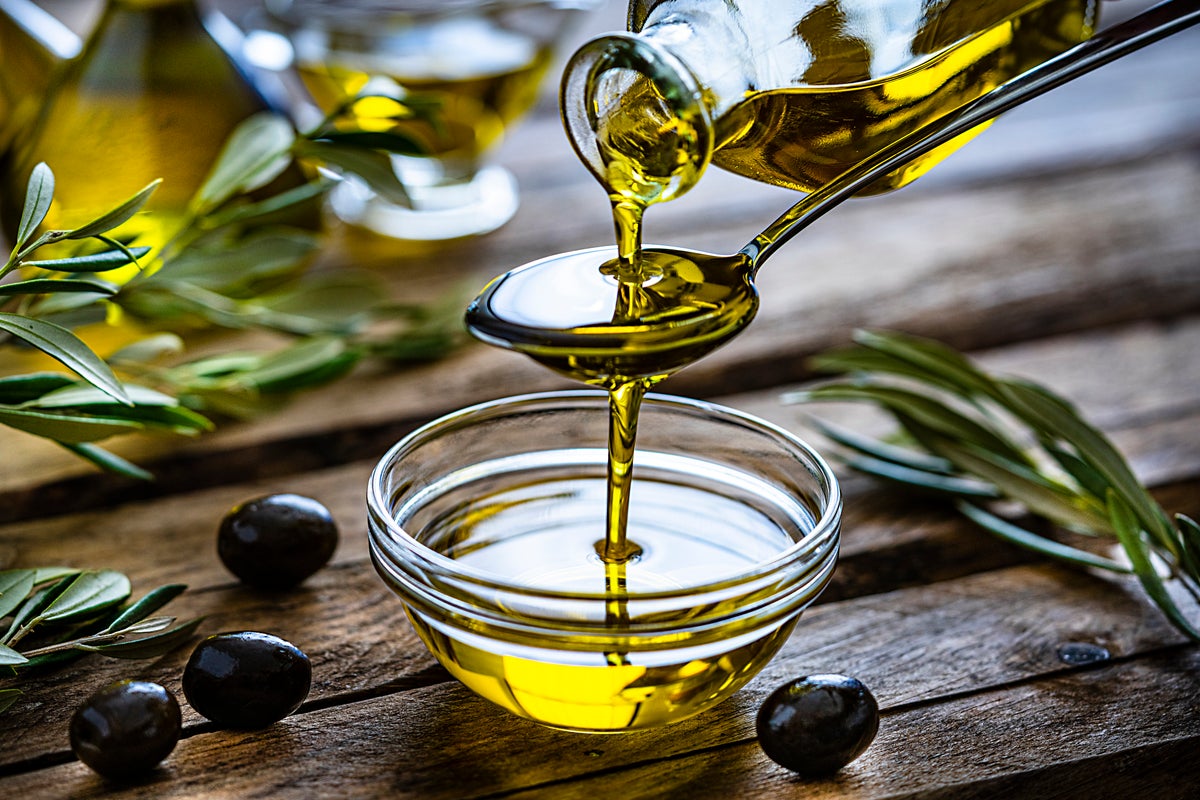
Olive oil, once judged mostly on taste, is now discussed in the language of polyphenols, antioxidants and health quietly hiding in bitterness - (Getty)

There’s been a surge of interest in extra-virgin olive oil (EVOO) over the past few years, with nutrition experts, gut health advocates and wellness gurus all championing oils high in polyphenols – natural compounds linked to reduced inflammation, improved digestion and overall wellbeing.

Olive oil has long been the culinary shorthand for the Mediterranean, but while most shoppers automatically reach for bottles from Spain, Italy or Greece, there’s another contender quietly earning accolades: Croatian olive oil.

It’s certainly less talked about, produces far less oil than its Mediterranean neighbours, and you won’t often spot it on British supermarket shelves. Yet Croatia consistently punches above its weight in global competitions – and in conversations about health-boosting EVOO, it’s increasingly being recognised for its outstanding polyphenol levels and clean, fresh flavour.

But what exactly sets them apart?

Small-scale production, serious results

Croatia produces around 30,000 tonnes of olive oil annually, compared with Spain’s 1.5 million and Italy’s 300,000. The disparity is evident, but volume has never been the goal. Much of Croatia’s olive cultivation is limited to its coastline and islands, where terrain, climate and tradition mean production remains small and hands-on.

At international competitions, Croatian olive oils constantly outperform those from far larger producers, with more than 80 per cent of Croatian oils winning medals (beating both Spain and Italy) at the New York International Olive Oil Competition.

“The best olive oil is made from green olives,” explains Goran Morović, owner of Villa Nai 3.3 and the man in charge of olive oil production there. “Oil from black or overripe olives is much lower quality and less healthy.”

Why polyphenols matter

The conversation around olive oil, and its quality, increasingly focuses on polyphenols – and the various health benefits.

Not all extra virgin olive oils are created equal, as tasting through Croatian producers quickly makes clear (Amira Arasteh)

“The olive tree is the plant with the highest amount of polyphenols,” says Goran. “They’re important because polyphenols reduce inflammation, which sits behind almost every disease.”

A three-year study conducted in Greece, designed to identify which olive-oil-producing country had the highest average polyphenol levels, placed Croatia at the top. Croatian samples consistently recorded higher levels than both Italian and Spanish oils.

In 2019, Nai 3.3 was measured at more than 1,600mg of polyphenols per kilogram – well into gold-medal territory. For context, an EVOO is considered as high quality if it has between 250-400mg of polyphenols.

Polyphenol levels, however, are fleeting. “Olive oil can only get worse with time,” Goran explains. “It’s not like wine.” (At this point, I make a mental note to use all the fancy bottles I’d previously been saving for special occasions ASAP.)

This is why harvest timing, temperature control and immediate pressing are so critical. At larger-scale producers, olives are often stored in vast outdoor piles before processing, where heat and oxidation degrade both flavour and nutritional value. However, in Croatia’s smaller operations, olives are picked and pressed quickly, usually at temperatures below 26 degrees, preserving both aroma and antioxidants.

Olive leaves, long treated as by-products, are increasingly brewed into teas and infusions, part of a wider belief that the olive tree is generous far beyond its fruit (Amira Arasteh)

Olive oil beyond the plate

At Villa Nai, olive oil’s role extends far beyond cooking. The hotel’s restaurants (Restaurant 3.3 and Grotta 11 000) use the oil throughout their menus, pairing it with organic produce from nearby farms and the surrounding Adriatic.

Grotta 11 000 focuses on cooking over open fires and charcoal grills, using olive wood from the groves themselves – while Restaurant 3.3 offers a more contemporary presentation of Mediterranean cooking, with goat’s milk, cheese and yoghurt from local producers; bread baked in-house; and vegetables grown on the island. Olive oil underpins every dish, providing continuity across flavours and courses.

Nothing is wasted. The olive paste left over from pressing (often discarded elsewhere) is repurposed into spa treatments rich in vitamin E and antioxidants. So you can treat yourself to an olive massage after satisfying your stomach.

Olive leaf tea, made from organically grown leaves, is another daily ritual. “It contains twice the antioxidants of green tea,” says Goran. “It’s better to consume both olive oil and olive leaf tea rather than just one.”

Olive oil has escaped the kitchen entirely, finding its way into cocktails and wellness tonics where bitterness, aroma and novelty do much of the talking (Amira Arasteh)

It’s this very olive leaf tea that Goran claims cured his gout after drinking it twice a day for a few years. It’s certainly more palatable than a spoonful of olive oil itself every morning, which is the trend du jour.

From island groves to Michelin-starred kitchens

This respect for local olive oil extends beyond Dugi Otok. On the island of Lošinj, at Hotel Alhambra’s Michelin-starred restaurant Alfred Keller, Austrian head chef Michael Gollenz builds much of his cooking around oils produced nearby.

“I collaborate with local producer Danilo Ivković, whose olive oil is simply exquisite,” he says. “It’s fresh and fruity, with mild spiciness and refined bitter notes.”

Gollenz uses it in homemade focaccia, carpaccio, salads and fish dishes, often keeping preparations deliberately simple. A thinly sliced catch of the day dressed with local olive oil, lemon zest and salt is a recurring theme – showcasing all olive oil has to offer.

“Croatian olive oil elevates a dish from a meal into an experience,” he says. “It reflects the landscape it comes from.”

Why Croatia should be on your olive oil radar

The fact is that Croatian olive oil may never dominate the market – but that’s precisely what makes it special. Limited production and close attention to detail have created oils that prioritise freshness, flavour and health in equal measure.

As Goran puts it, only half-jokingly: “You shouldn’t eat your olives. You should drink your olive oil.”

Sign up to read this article
Read news from 100’s of titles, curated specifically for you.
Already a member? Sign in here
Related Stories
Top stories on inkl right now
One subscription that gives you access to news from hundreds of sites
Already a member? Sign in here
Our Picks
Fourteen days free
Download the app
One app. One membership.
100+ trusted global sources.