
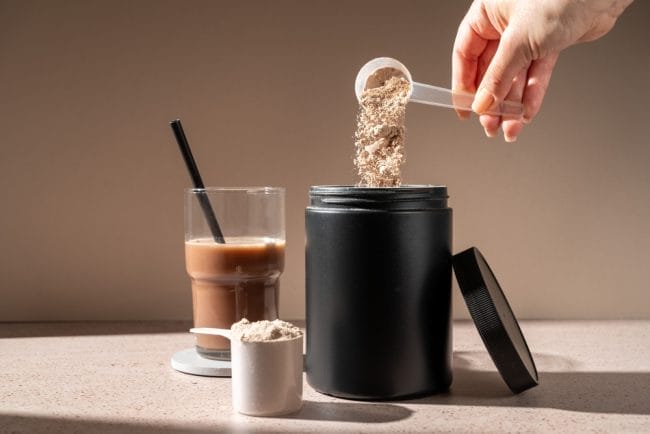
You drink your protein shake to feel stronger, healthier, and more energized. However, what if the one thing you rely on every morning is quietly exposing you to lead? Independent testing released in 2025 found that many popular protein powders contain measurable levels of heavy metals. These results, including a major review by Consumer Reports, remain highly relevant as those products are still on store shelves in 2026. If you use protein powder daily, this issue affects your health right now.

1. How Lead Ends Up in Your Powder
Heavy metals do not show up in your supplements by accident. They primarily come from the soil where crops like peas, rice, and hemp are grown. When these plants are turned into concentrated powders, any contaminants in the soil become concentrated as well. Because supplements are not regulated with the same rigor as food, companies are not required to test every batch. This means you could be drinking a product that has never been screened for lead at all.
2. Why Plant-Based Options Are High Risk
Many people switched to plant-based protein thinking it was the cleaner choice for their lifestyle. Nevertheless, the 2025 testing found that plant-based powders often contained more heavy metals than whey. This happens because plant roots are designed to pull minerals and metals directly from the earth. Furthermore, organic labels do not guarantee that the soil is free from these environmental toxins. Consequently, your vegan protein may not be nearly as clean as the marketing suggests.
3. The Health Risks Build Up Slowly
Lead is a cumulative toxin that stays in your system for a long time. Even small amounts consumed daily can build up in your body and contribute to serious health issues. These problems include high blood pressure, joint pain, and significant kidney strain. Many of these symptoms often look like simple stress or the natural process of getting older. Therefore, many people miss the connection between their physical health and their daily supplement routine.
4. Popular Brands Failing Safety Benchmarks
The 2025 report found that more than two-thirds of the powders tested contained more lead than experts consider safe. Some products exceeded these safety thresholds by a very wide margin. Perhaps the biggest red flag is that many brands still do not publish their testing results for consumers to see. If a company will not show you its lab data, you have no way of knowing what you are drinking. You should always prioritize brands that offer complete transparency regarding their heavy metal screenings.
5. How to Protect Your Health in 2026
You do not need to ditch protein powder entirely to stay safe. Instead, you should look for products certified by independent organizations like NSF International or USP. These seals of approval mean the product was rigorously tested for contaminants like lead and mercury. Another excellent resource is Informed Choice, which specializes in supplement purity. These certifications provide the peace of mind that your powder is actually helping your body.
6. Rotate Your Protein Sources
One of the easiest ways to reduce your exposure is to stop relying on the same powder every day. Switching between whey, egg, and different plant proteins lowers the chance of accumulating one specific contaminant. Additionally, you should incorporate more whole-food proteins like Greek yogurt, eggs, and lean meats into your diet. These sources carry significantly fewer risks than highly processed and concentrated powders. By diversifying your intake, you ensure that you get the nutrition you need without the hidden toxins.
Have you noticed changes in your energy, recovery, or mood lately? Share the name of the protein powder you use in the comments, and I can check if it was included in the recent safety testing.
3. The Cumulative Impact on Your Health
Lead is a cumulative toxin, meaning it builds up in your body over time with every shake you drink. Even at low levels, chronic exposure can lead to high blood pressure and persistent joint pain. Furthermore, it can cause significant damage to your kidneys and brain function over many years. The damage is often subtle and frequently misdiagnosed as general fatigue or aging. That said, the long-term risks of consuming contaminated powders daily are far too high to ignore. It is time to look much closer at what you are putting in your blender every morning.
4. Identifying High-Risk Brands and Labels
The recent report highlighted that some of the most popular brands on store shelves failed purity tests. While some companies claim their products are natural, they may not be testing for environmental contaminants. Moreover, flashy marketing often masks a lack of transparent data regarding heavy metal content. You should be wary of brands that do not provide easy access to their lab results. If a company refuses to share its testing protocols, it is best to assume they have something to hide. Always prioritize transparency over celebrity endorsements when choosing your next tub of protein.
5. The Importance of Third-Party Testing
You do not have to give up on protein entirely, but you must change how you shop. Look for brands that utilize third-party testing from organizations like NSF International. These independent groups verify that a product is free from high lead levels and other harmful contaminants. Furthermore, they provide a seal of approval that means the label accurately reflects the contents. This extra layer of security ensures that your supplements are helping rather than hurting you. Checking for these certifications is the most effective way to protect your health in an unregulated market.
6. Diversifying Your Protein Sources
Another smart strategy is to vary your protein sources instead of relying on a single brand every day. Surprisingly, switching between whey, egg, and different plant proteins can reduce your overall exposure to any one specific toxin. This variety prevents any single heavy metal from building up too quickly in your system. Additionally, you should try to incorporate more whole-food protein sources like Greek yogurt, beans, and lean meats. These whole foods undergo different processing steps and often carry fewer risks than concentrated powders. By being a conscious consumer, you ensure your fitness journey remains a healthy one.
Have you noticed a change in your energy levels or felt concerned about your supplement brand lately? Share the name of the protein powder you currently use in the comments so we can discuss its safety ratings together.
What To Read Next….
- 5 Morning Habits That Can Spike Blood Sugar Without You Noticing
- 9 Morning Habits That Calm Anxiety Before It Starts
- Forget Night Routines: Why Your Morning Has a Bigger Impact on Mental Health
The post Is Your Protein Powder Safe? New Report Finds High Lead Levels in Popular Brands appeared first on Budget and the Bees.