
As America struggles with its C-minus monkeypox vaccine rollout, scientists in China are eyeing a newly identified virus that’s given at least 35 people flu-like symptoms. It’s called the novel Langya henipavirus (LayV) — and although I, too, am tempted to join those people who hold “End of Days” signs on the side of the highway, there’s actually good reason to stay calm about this virus.
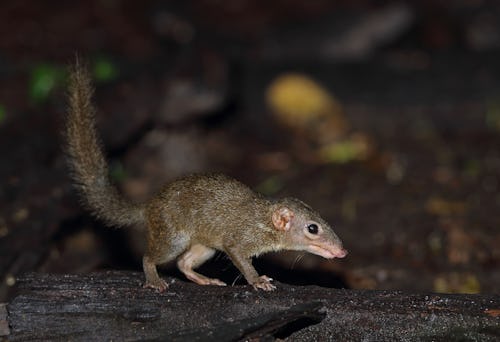
Despite what some headlines are suggesting, Langya isn’t technically a new virus. It was detected in parts of China in 2018, per The Guardian, but only given a formal identification and name last week. Scientists — who shared their findings in a report published in The Journal of New England Medicine — believe the virus somehow jumped from shrews to humans, and researchers also learned that domesticated animals are susceptible to Langya, after they found it in 2% of goats and 5% of dogs they tested, The Guardian reported. Although a majority of the people who were infected with the Langya virus experienced symptoms like fever, tiredness, and coughs, Taiwan’s Centers for Disease Control (CDC) reported that none became severely ill or died, per the Taipei Times. In addition, most of the people who caught the virus were farmers who had not been in contact with each other, suggesting that there hasn’t been human-to-human transmission so far.