Get all your news in one place.
100's of premium titles.
One app.
Start reading
Clever Dude
Clever Dude
Brandon Marcus

What Burglars Can Learn From the Front of Your House

What Burglars Can Learn From the Front of Your House
A quick look at the front yard, porch, windows, and driveway can reveal packages, valuables, routines, and other information that homeowners may prefer to keep private. Securing outdoor belongings and limiting views into the home can improve both everyday privacy and severe-weather preparedness – Shutterstock

The front of your house can tell a surprisingly detailed story before anyone ever reaches the front door. A package sitting on the porch, an overflowing mailbox, an expensive-looking gadget beside a window, or even a pile of outdoor equipment can reveal information that homeowners never intended to advertise.

That does not mean every passerby studies houses like a detective in a trench coat. It does mean the exterior of a home deserves a little more attention than a quick glance before heading inside. A few simple changes can reduce the amount of useful information sitting in plain sight, while also making the property safer during storms, emergencies, and everyday life.

Your Front Yard Talks, Even When You Do Not

A front yard can reveal whether someone lives in a home, how much attention the property receives, and what kinds of belongings sit outside. A full mailbox, packages that linger, newspapers piled near the door, or garbage containers that remain at the curb for days can announce that normal routines have changed. None of these details proves that a home sits empty, and homeowners should not assume that every unusual detail attracts criminal attention. Still, keeping the exterior orderly removes unnecessary clues and makes the property less informative to strangers.

The same principle applies to belongings that advertise their value from the street. A high-end bicycle leaning against the garage, costly equipment visible through a window, or several large boxes from expensive purchases can reveal more than intended. Boxes can go into recycling or garbage after following local collection rules, while valuable equipment can move into a garage, shed, or another less visible location when practical. Curtains and blinds can also limit what people can see inside without turning the house into a fortress worthy of a medieval castle.

Your Doorstep Can Reveal Your Routine

Packages create another small information trail, particularly when they remain outside for long periods. A delivery does not automatically tell anyone that a household has gone away, but repeated unattended deliveries can reveal that something has changed from the normal routine. Homeowners who expect to be away can arrange for packages to go somewhere secure, ask someone they trust to collect them, or use available delivery-management options. Those steps help protect purchases while reducing clutter around the entrance.

Mail and newspapers deserve similar attention because they serve a legitimate purpose while also creating visible signs when nobody collects them. Asking a trusted person to collect them during an absence can keep the front entrance looking normal, and homeowners should avoid announcing travel plans publicly when unnecessary. The Federal Trade Commission also warns that scams can arrive through calls, texts, emails, advertisements, and social media, so protecting a home involves more than watching the sidewalk. A suspicious message that claims to come from a delivery company, government agency, or other familiar organization deserves skepticism rather than an impulsive click.

Storm Preparation Can Improve Home Security Too

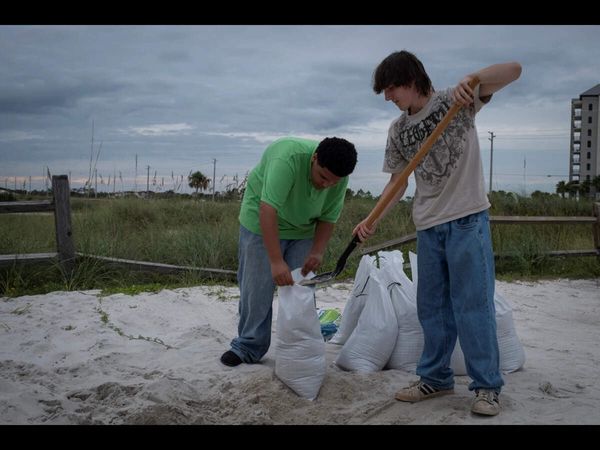
Hurricane preparation offers an interesting reminder that exterior clutter creates more than one kind of problem. Ready.gov recommends securing outdoor furniture and other loose items, protecting windows, clearing gutters and drains, and moving items indoors when a hurricane threatens. Those chores can also make the front of a property look less cluttered and keep potentially valuable equipment out of easy view. A tidy exterior does not guarantee protection from crime, but it can eliminate some unnecessary visual information while improving storm readiness.

Windows deserve particular attention because they serve two jobs: they let homeowners see outside, and they let outsiders see inside. Closing blinds or curtains when appropriate can limit views of valuables, personal documents, electronics, or rooms that homeowners would rather keep private. During a hurricane, Ready.gov advises people who remain indoors to stay away from windows and doors and recommends preparing a safe shelter before severe weather arrives. That makes window coverings, secure doors, and a sensible emergency plan useful well beyond ordinary home security.

Small Details Deserve a Quick Once-Over

Walk toward the street and look back at the house with fresh eyes. What can someone see through the front window, garage window, or open garage door, and which belongings remain visible from the sidewalk? Are spare keys sitting somewhere obvious, are tools scattered outside, or does a delivery pile up beside the entrance when nobody comes home? These questions do not require paranoia, expensive equipment, or a neighborhood surveillance operation. They simply encourage homeowners to notice the information their property broadcasts without permission.

Technology can help, but it should not replace common sense. Exterior lighting, secure doors and windows, maintained locks, and appropriately positioned cameras can add useful layers, while homeowners should still protect passwords and remain cautious about suspicious messages claiming to involve security systems or deliveries. The FTC recommends treating unexpected requests for money or personal information cautiously, particularly when someone creates urgency or demands unusual payment methods. In other words, a secure house needs both a reasonably thoughtful exterior and a skeptical person behind the front door.

Make the House Boring in All the Right Ways

The goal is not to make a home look abandoned, fortified, or suspiciously spotless. The better goal involves removing unnecessary clues, keeping valuables less visible, collecting mail and packages promptly, securing outdoor belongings, and maintaining the property normally. Those habits help with everyday privacy and can also make storm preparation easier when severe weather approaches. Ready.gov specifically recommends securing outdoor items and preparing important documents and emergency supplies before a hurricane threatens, which makes a little advance housekeeping surprisingly valuable.

What can someone learn about a household just by looking at its front yard, porch, windows, and driveway? Share the small changes you have made to keep your home safer, more private, or better prepared for severe weather in the comments.

You May Also Like…

5 Home-Insurance Questions Every DIY Remodeler Should Ask First

Power-Tool Safety: The Habits That Protect Your Hands, Eyes, and Wallet

PHMSA Confirms January 1, 2027 Effective Date for Updated Federal Pipeline Safety Standards

7 Fake “Local” Home Repair Listings Homeowners Should Check Before Booking a Technician

Auto Crime Spike: Why Thieves Keep Going After These 5 Vehicles

The post What Burglars Can Learn From the Front of Your House appeared first on Clever Dude Personal Finance & Money.

Sign up to read this article
Read news from 100's of titles, curated specifically for you.
Already a member? Sign in here
Related Stories
Top stories on inkl right now
One subscription that gives you access to news from hundreds of sites
Already a member? Sign in here
Our Picks
Fourteen days free
Download the app
One app. One membership.
100+ trusted global sources.