Get all your news in one place.
100's of premium titles.
One app.
Start reading
InsideEVs
InsideEVs
Technology
Tim Levin

Volkswagen Is Going Big On Cheaper LFP Batteries In Europe

  • Volkswagen announced an expanded partnership with China's Gotion to make LFP batteries in Europe.
  • VW plans for its "unified" cell to go in everything from VWs to Porsches and use various chemistries.
  • VW struck joint ventures for battery plants in Spain and Slovakia, plus a cathode-production facility in Morocco.

Volkswagen has spent years promising to bring affordable electric cars to the masses. A wide-ranging deal with a Chinese battery firm could help it deliver.

On Monday, the Volkswagen Group said that it is expanding its partnership with the Chinese battery maker Gotion, establishing three joint ventures to build up a European manufacturing base for lithium iron phosphate (LFP) batteries.

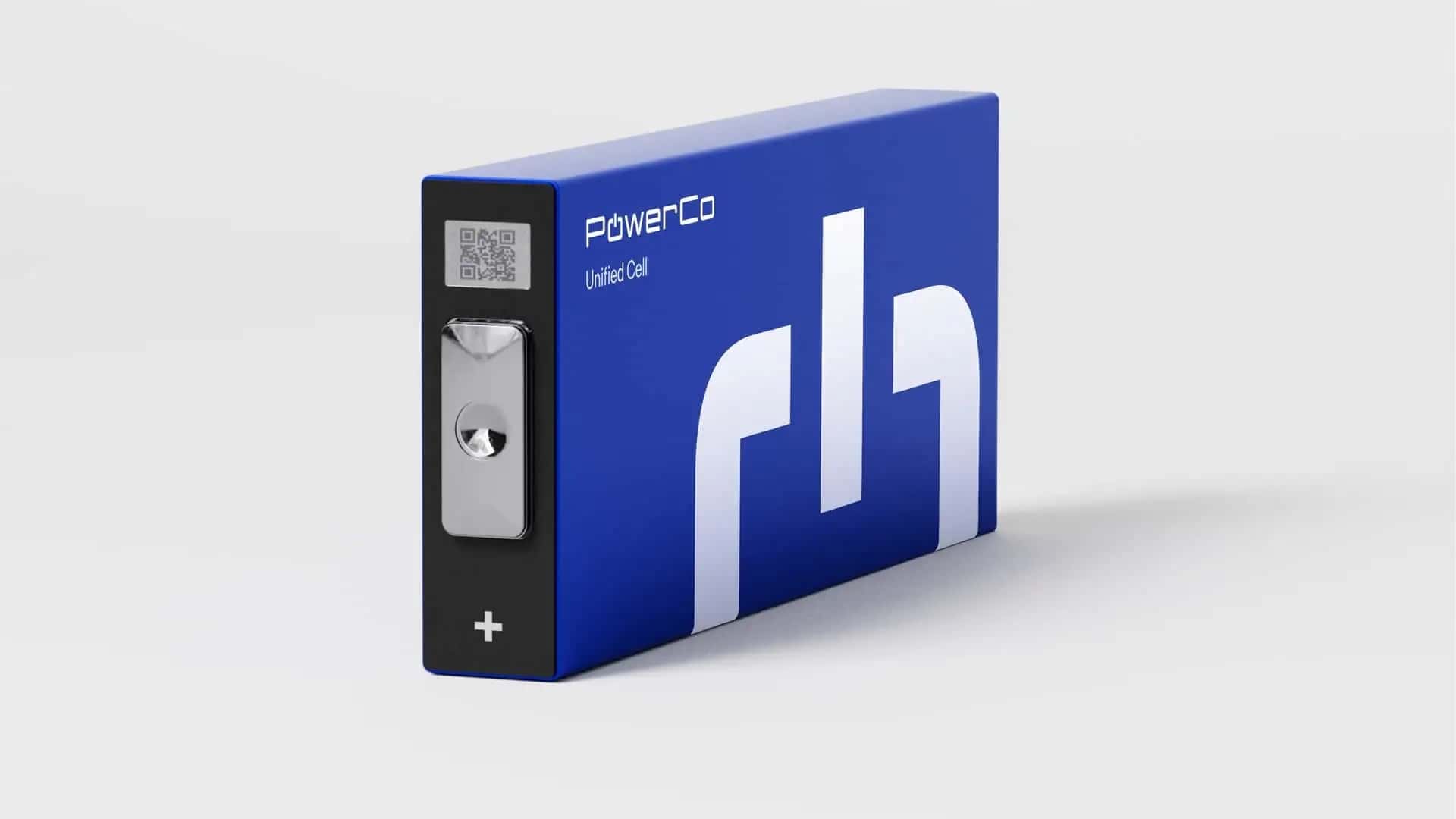
Volkswagen is in the midst of a sweeping restructuring, cutting tens of thousands of jobs, trimming its manufacturing footprint, and slashing dozens of models from its lineup as it grapples with high costs and intensifying competition. But it still has substantial electric ambitions. Those revolve around a "unified" prismatic battery cell developed by VW battery subsidiary PowerCo. The vision is that it will house a variety of chemistries, including potentially solid-state, and go into vehicles across all of its brands, from VW to Porsche.

LFP batteries are cheap and robust, plus they've made strides in energy density, a historic weak point. They're becoming much more common in EVs around the world, but especially in China, which has an iron grip on LFP supply chains. Volkswagen said the deals announced on Monday are aimed at strengthening Europe's battery industry, and specifically the continent's capacity to produce LFP cells.

The carmaker called LFP a "key technology for affordable electric mobility in the volume segment" and noted that its share in Europe could rise from 10% today to 40-60% by 2030. "At the same time, Europe currently has no relevant LFP battery production capacity," it said.

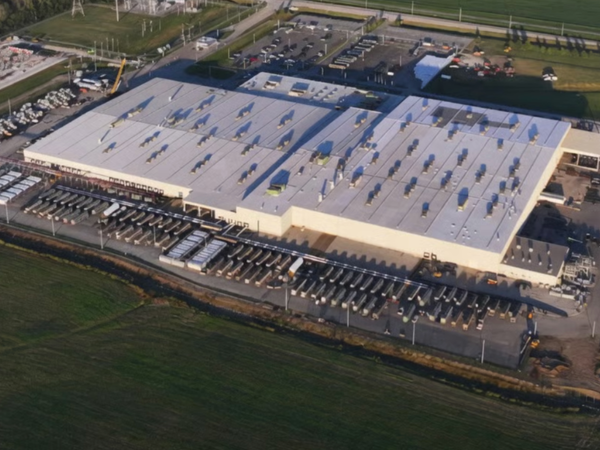
Under the deal, Gotion will pay $1.25 billion for a 49% stake in PowerCo's factory in Valencia, Spain. The factory will be jointly managed by PowerCo and Gotion and become, VW says, a "European production hub" for LFP unified cells. It will have a capacity of 29.1 gigawatt-hours, according to financial filings.

VW will spend around $535 million through 2030 to take a 49% stake in Gotion's factory in Slovakia and to establish a new facility in Morocco. The 8.4- GWhSlovakia plant will make LFP cells for vehicles and stationary storage applications, while the planned Morocco facility will produce cathode material for LFP batteries.

Efforts to establish LFP battery production outside of China are taking shape around the world.

Ford has licensed technology from Chinese battery giant CATL to produce its own cells in Michigan. Those will go into its upcoming Fathom pickup, built on the new Universal EV Platform. Gotion's Illinois factory will supply LFP cells for the Slate pickup truck. Tesla and LG both started producing LFP cells in the U.S. this year for stationary energy storage systems.

And Volkswagen isn't alone in Europe. Stellantis and CATL are building a 50-GWh LFP plant in Zaragoza, Spain, that is supposed to start cranking cells next year.

Contact the author: [email protected]

Sign up to read this article
Read news from 100's of titles, curated specifically for you.
Already a member? Sign in here
Related Stories
Top stories on inkl right now
One subscription that gives you access to news from hundreds of sites
Already a member? Sign in here
Our Picks
Fourteen days free
Download the app
One app. One membership.
100+ trusted global sources.