
Get all your news in one place.
100's of premium titles.
One app.
Start reading
GOBankingRates
GOBankingRates
Kerra Bolton

Trump Says Gas Prices Could Be Higher by Midterms: 5 Ways to Prepare Your Budget Now

Joe Raedle / Getty Images

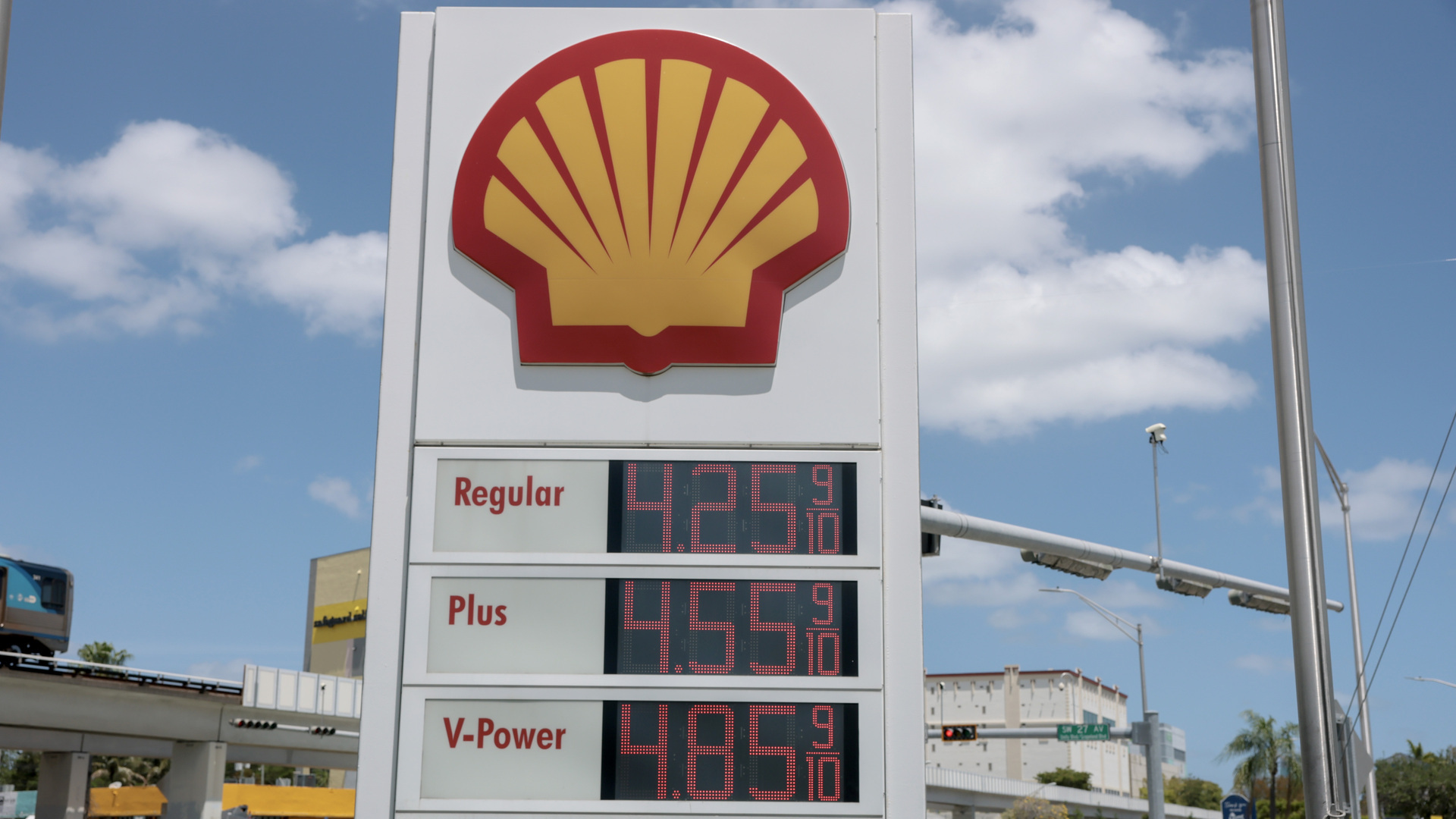
Gas prices have been volatile as conflict in the Middle East pushes oil costs higher and now President Donald Trump has said that gas prices could be higher by the midterm elections.

Read Next: 4 Moves to Shield Your Money Now as Iran Risk Rises, Warns a Financial Advisor

Find Out: How Middle-Class Earners Are Quietly Becoming Millionaires — and How You Can, Too 

For Americans, even small increases can show up quickly at the pump. Those higher fuel costs can also raise grocery, delivery and other everyday expenses tied to transportation. That kind of ripple effect can strain a monthly budget fast.

Here are five ways to prepare your budget now.

Track Gas Prices Weekly

Gas prices are already moving higher. The national average for a gallon of gas is $4.09, up from $3.71 a month ago, according to AAA.

Checking prices regularly can help drivers avoid filling up at a peak and gives households more control over when and where they buy.

Cut Driving Costs Where Possible

Higher gas prices can make everyday driving more expensive.

Americans travel nearly 40 miles per day on average, according to federal transportation data.

Even small changes can add up quickly. Combining errands and cutting unnecessary trips can help reduce fuel use and limit weekly spending.

Keep Financial Literacy Month going — learn how the MoneyLion app helps you track, manage and move your money in one place

Build a Small Buffer Into Your Budget

Gas prices do not just affect what drivers pay at the pump.

They can push up other everyday costs over time. Setting aside a small buffer each week can help households stay ahead of those increases.

Even an extra $10 to $20 can make it easier to absorb higher fuel and transportation costs without disrupting the rest of a monthly budget.

Expect Higher Grocery and Delivery Costs

Prices jumped 0.9% in March, one of the fastest increases in years.

That means everyday costs are rising faster again. Over the past year, prices are up 3.3%, according to the Bureau of Labor Statistics. Higher gas costs are driving much of that increase.

When fuel costs rise, it becomes more expensive to transport goods. That can push up grocery prices and delivery fees.

Planning for higher everyday costs can help households avoid surprises at checkout.

Don’t Rely on Timing Tricks to Save Money

Some drivers try to save money by filling up at certain times of day. The idea is that cooler temperatures mean better value.

However, that doesn’t make a meaningful difference. Gas is stored in underground tanks where temperatures stay stable, according to Consumer Reports.

Instead, small changes can have a bigger impact. Using gas rewards programs, comparing prices and cutting unnecessary trips can help lower weekly fuel costs.

Delay or Combine Nonessential Trips

Higher gas prices can make everyday driving more expensive. That includes quick errands and short trips that add up over time.

Americans spend about two hours a day on household tasks like shopping and errands, based on federal time-use data.

Combining trips and delaying nonessential travel can help reduce how often drivers need to fill up. Even small reductions in mileage can lead to noticeable savings over the course of a month.

Making these adjustments early can help households stay ahead of rising fuel costs before they fully show up in a budget.

More From GOBankingRates

This article originally appeared on GOBankingRates.com: Trump Says Gas Prices Could Be Higher by Midterms: 5 Ways to Prepare Your Budget Now

Sign up to read this article
Read news from 100's of titles, curated specifically for you.
Already a member? Sign in here
Related Stories
Top stories on inkl right now
One subscription that gives you access to news from hundreds of sites
Already a member? Sign in here
Our Picks
Fourteen days free
Download the app
One app. One membership.
100+ trusted global sources.