The Trump administration is preparing to revoke as many as 200,000 business and tourism visas held by foreigners who applied for asylum after entering the United States, a sweeping action that could become the largest mass visa revocation in U.S. history.
The number is 200,000, not 2,000. But the proposal does not involve eliminating 200,000 visas from the United States' general tourism program or automatically canceling visas held by ordinary foreign visitors.
According to The Associated Press, the State Department is reviewing B-1 and B-2 visas issued between 2016 and 2026 to people who subsequently filed asylum applications in the United States. The State Department is coordinating with the Department of Homeland Security to identify the visa holders.
B-1 visas generally allow temporary visits for business purposes, while B-2 visas cover tourism, family visits and certain medical treatments. The two categories are frequently issued together as a B-1/B-2 visa.
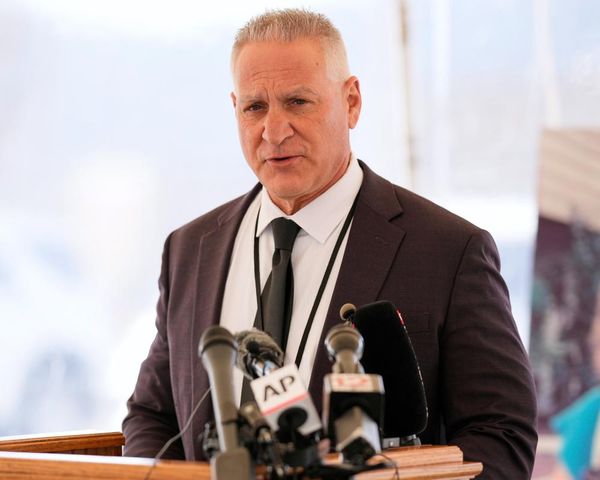
"We are coordinating with DHS to identify and revoke the nonimmigrant visas of foreigners who have come to the United States claiming to be short-term visitors, but then file for asylum to stay here permanently," State Department spokesperson Tommy Pigott told AP.
The administration is expected to begin announcing the revocations in the coming weeks, unless the initiative is revised or blocked in court. Officials said the process would be conducted on a rolling basis, meaning the final number could be lower than 200,000.
The critical distinction is that revoking a visa is not the same as denying or terminating an asylum case. A visa allows a foreign national to travel to a U.S. port of entry and request admission. It does not determine how long the person may remain in the country, according to the State Department.
Therefore, revocation would not necessarily trigger an immediate deportation or automatically invalidate a pending asylum application. Its consequences would depend on the person's immigration status, travel history and stage of the asylum process. Someone affected could face serious difficulties leaving and attempting to reenter the United States, even while an asylum claim remains pending.
Officials have not said how the government would distinguish allegedly fraudulent asylum applications from claims filed by people whose conditions changed after receiving their visas. U.S. asylum law allows people who are already inside the country to seek protection if they fear persecution, although applications are subject to eligibility rules and security screening.
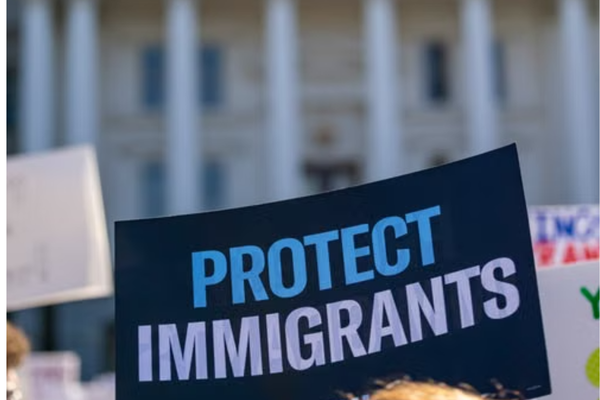
The move is likely to face legal challenges over whether the government can revoke visas as a group based principally on the filing of an asylum claim. The administration argues that obtaining a visitor visa while intending to remain permanently may demonstrate misrepresentation. Immigration advocates are expected to argue that filing for asylum is a lawful process and does not, by itself, prove that an applicant lied when obtaining the original visa.
The plan comes after the State Department revoked approximately 175,000 visas over the previous 18 months for reasons that included criminal allegations, convictions and conduct officials considered contrary to U.S. foreign policy.
It also arrives as the U.S. tourism sector is already struggling with fewer foreign visitors. International arrivals fell 6% in 2025, while spending by foreign tourists declined 7%, according to Reuters, citing the World Travel & Tourism Council. The United States received approximately 68 million international visitors, compared with 105 million in France and 96.5 million in Spain.
However, social media claims that the United States lost 10 million visitors and $20 billion in 2025, with another $30 billion loss expected in 2026, are not supported by the sources reviewed. The WTTC previously projected a $12.5 billion decline in international visitor spending for 2025.
Because the proposed revocations primarily target people already in the United States who have sought asylum, their direct effect on future tourist arrivals may be limited. The larger economic risk would be an additional decline in confidence among prospective visitors who already view U.S. immigration screening as unpredictable or hostile.