It's November as I write this, which means winter is well and truly here for most of us. We all know wet and dirty winter road conditions are harsher on the best road bikes compared to dry summer ones. Bikes will often get dirtier on a ride, and water, salt and mud can all accelerate wear and contribute to corrosion on various components.
Some riders diligently look after their bike, and others will coax the machine through to the spring as its condition slowly deteriorates until it gets flung into the garage and forgotten about for the summer. Ever been in a panic the night before your group ride, trying to sort your bike out, which was in pieces on the garage floor? Maybe this will help.
There's also an argument that the traditional winter bike is also disappearing. If you use a single bike year-round, some of these pointers may be even more important.
I worked as a mechanic for years, and my advice would be that maintenance, little and often, is the key to your bike not letting you down.
Don't let things go too far before tackling an issue or taking it to the bike shop; ensuring your machine is properly maintained is part and parcel of being a cyclist.
Here's some advice, tips and tricks that will help maintain your bike and keep it running that little bit smoother; they should also crucially help you avoid any key servicing bills if an issue goes too far. They are all things I've done to mine or customers' bikes; I hope you find at least one useful.
1. The less water the better
Generally, the less water your bike sees, the better. If you're not stripping your bike semi-regularly, water from lots of washing will work its way inside the frame and contribute to corrosion, accelerated bearing wear and just general mess.
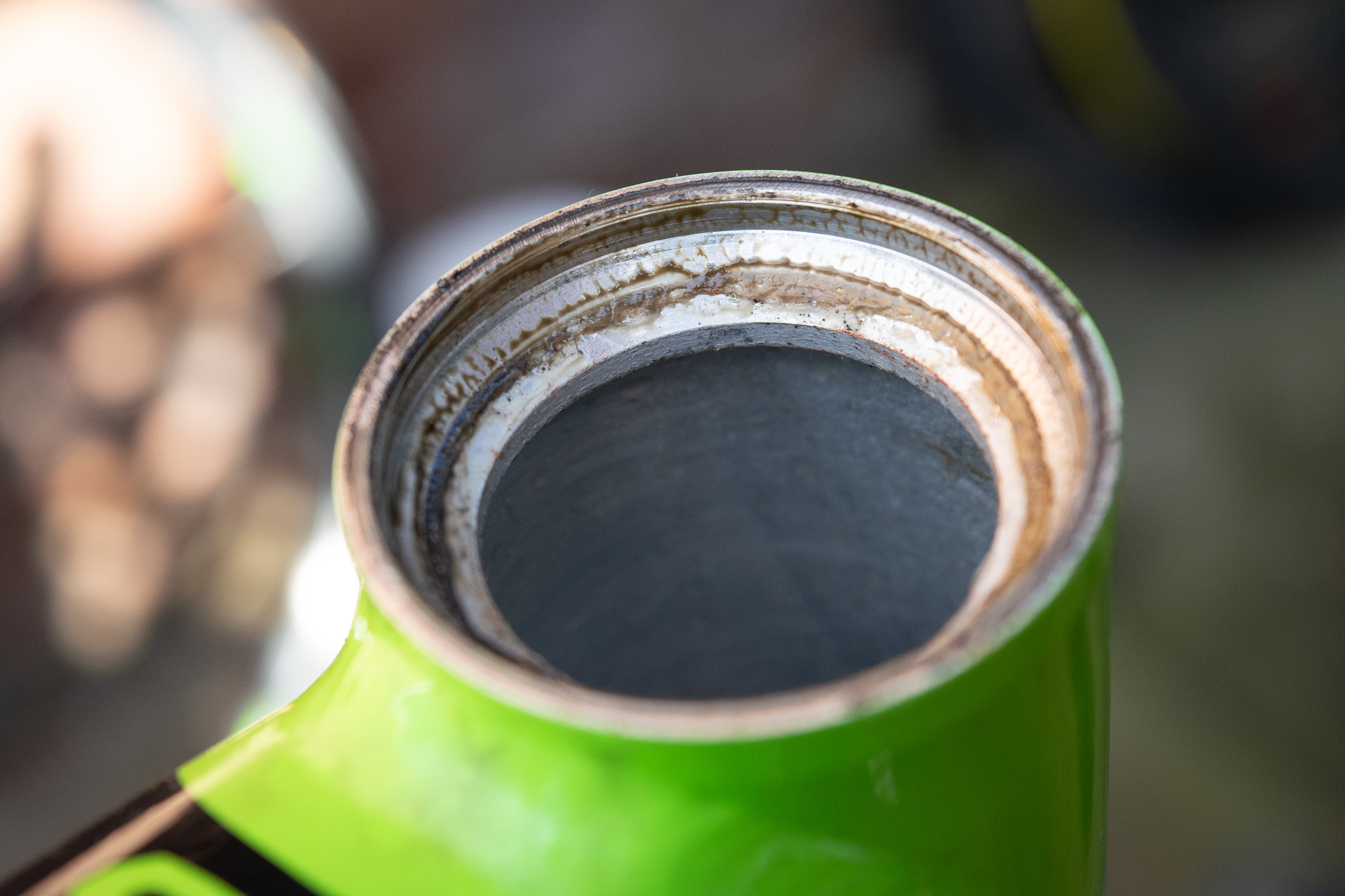
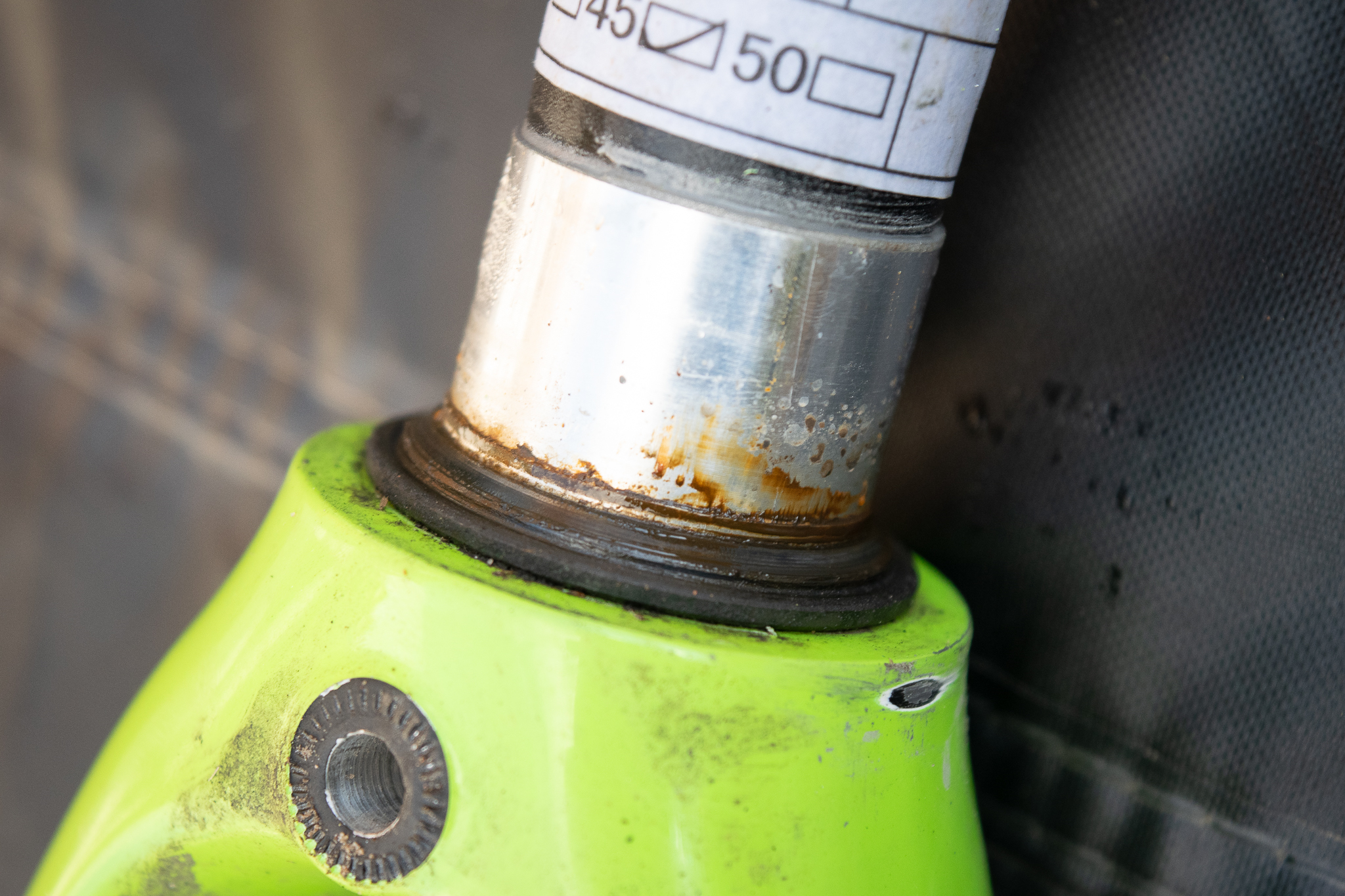
Below is an example of a headtube where water was present after lots of washing, I'm talking droplets of water and plenty of moisture on the steerer tube and in the bearing seats and on the bearings themselves. A lack of grease, as can be seen on the upper bearing cup or seat below, is a good example of how corrosion can start to occur.
If you get back from a ride and your bike is filthy, a quick rinse down with the hose is a great way to clean it up fast and remove the majority of dirt before it dries. I do this to muddy gravel bikes a lot.
But I would recommend using the least amount of water you can. Ignore the videos of bike washing you see online, where hundreds of gallons of water seem to get used. I've replaced dozens of worn-out bearings on people's bikes that are months old because they have simply overwashed them and ruined the bearings.
And the Tour de France and pro bike washing we have all seen videos of? Pro mechanics can strip a bike whenever they want and have spare parts and bearings on tap. Their no-expense-spared and time-crunched maintenance regime at races is a little different to most regular riders in my opinion.
One thing you can take from pro mechanics is the purchase of a compressor and an air line. If you want to go that far, it's great to rapidly dry components and your frame, and it can help with tubeless setups as well.
2. Drivetrain care and lube
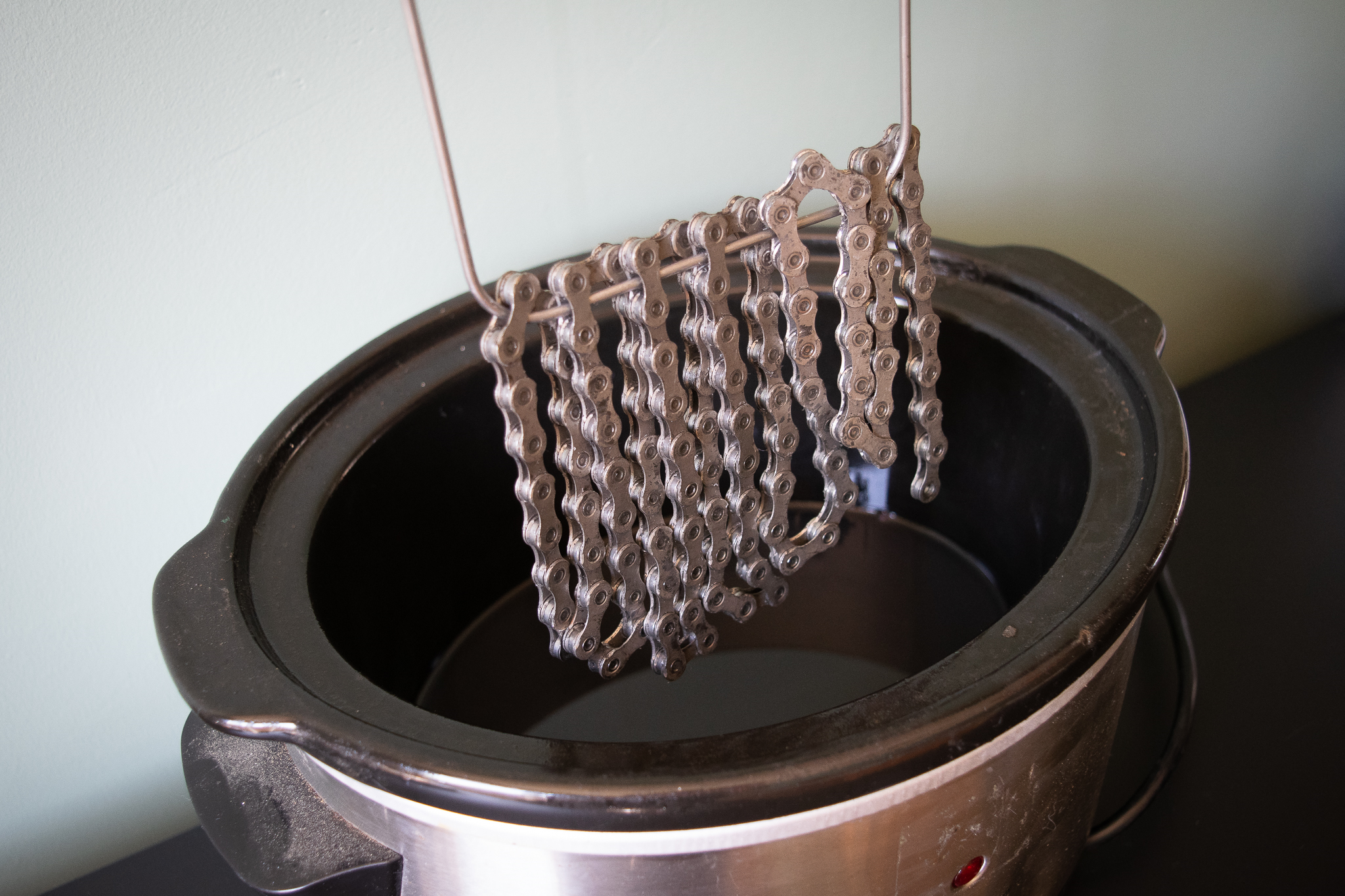
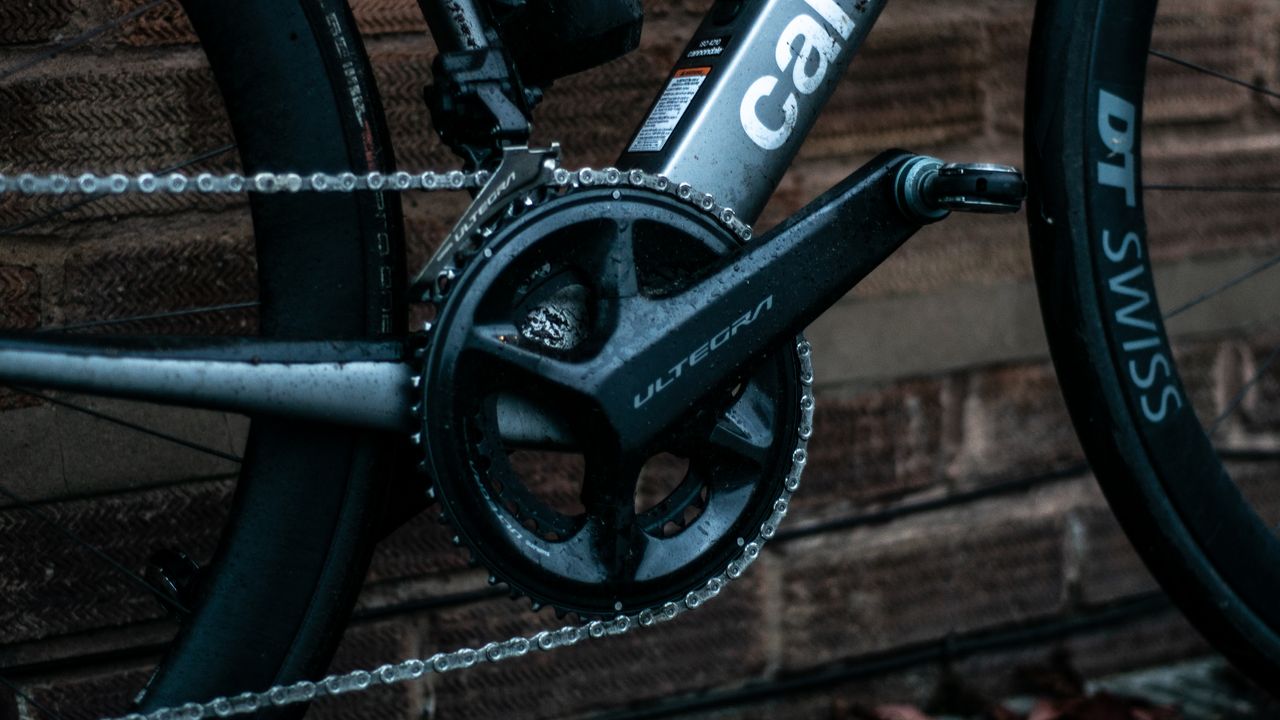
It can be an in-depth topic, but it's safe to say keeping your drivetrain and chain as clean as possible and correctly lubricated will help performance all winter.
Check out our best chain lube and best chain wax buyers' guides for lots more information, and our review of Smoove, a cheap yet top-performing wax lubricant.
Choosing the right chain lubricant, in particular, can save a lot of hassle from the start. A wet oil will take on contaminants from your first ride, and keeping your drivetrain clean and tidy will get harder and more time-intensive.
3. Brakes
Braking and being able to stop safely should be your top priority. Water and cold temperatures can often to lead to corrosion as mentioned.
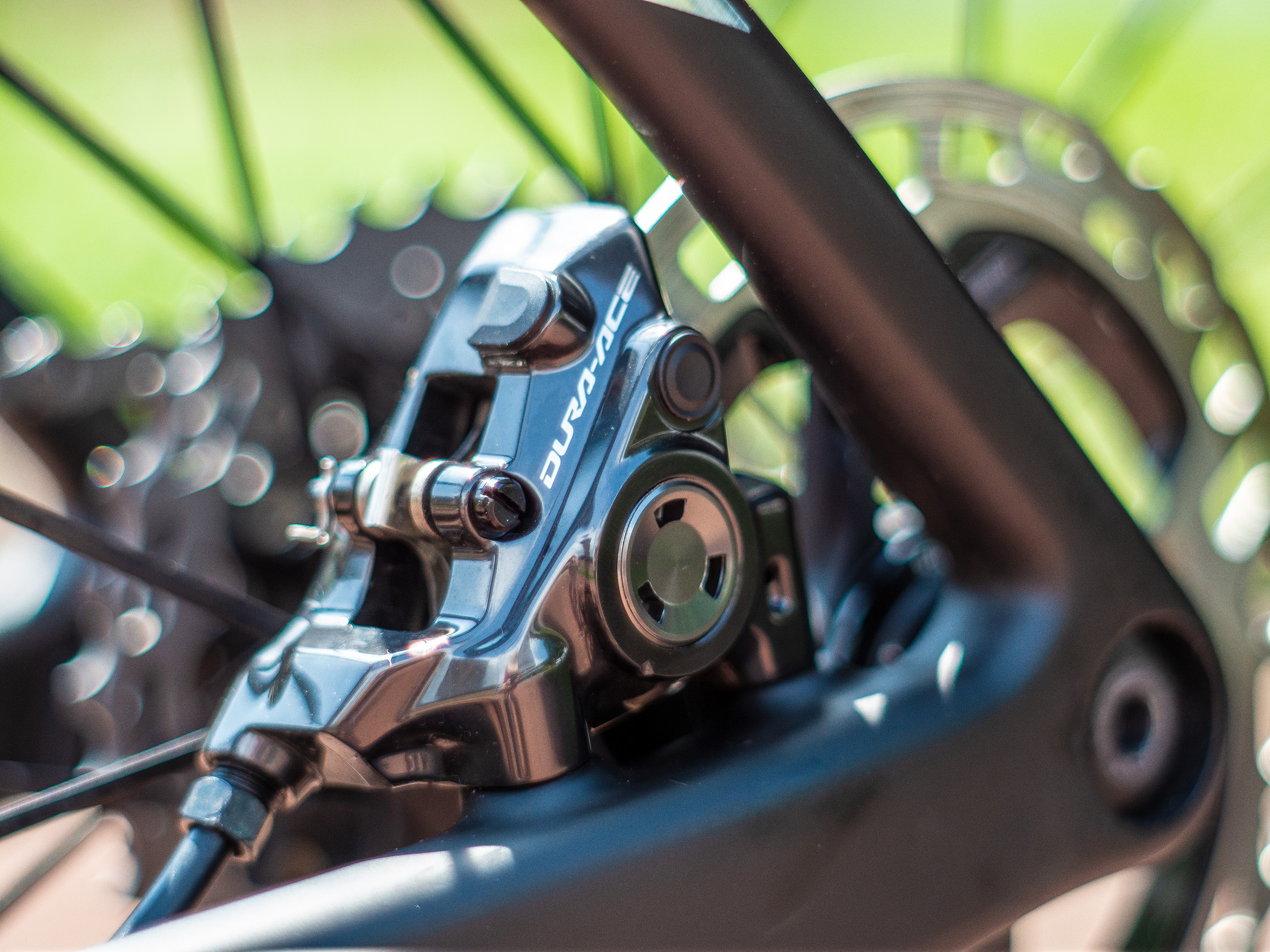
This is probably my top winter tip: If your disc brakes use a threaded pin or bolt to secure the brake pads, it's a good idea to remove this every few weeks, clean and lightly re-grease it. If your pads wear out and you can't remove the pin to change them because it has seized, a simple job may become very lengthy, time-consuming and expensive. I've handed people some big bills for drilling out seized brake pins.
Shimano pins, especially the aluminium flat-headed kind, are prone to this. If you're riding and washing your bike all winter, take them out every couple of weeks, and at a minimum wipe them clean and reinstall. A dab of grease or anti-seize on the threads is also a good move, and remember, you don't need to do them up tightly.
4. Storage location
It's a smaller point but if your bikes and or equipment are kept in a garage or shed during winter check the area doesn't get too damp or cold/wet as it can rapidly affect certain components and accelerate corrosion.
A leaking and freezing cold garage saw some non-stainless bolts and even my cassette start to form surface rust a few winters ago during cold weather.
Sometimes there isn't much you can do about this, but an extra coating of WD40 or similar on bolt heads or surfaces that show signs of rust will help whilst they are in storage, you could consider a waterproof bike cover too.
I've discussed overwashing and corrosion with customers and it turned out to be their garage conditions harming their bikes during the depths of winter.
5. Grease it
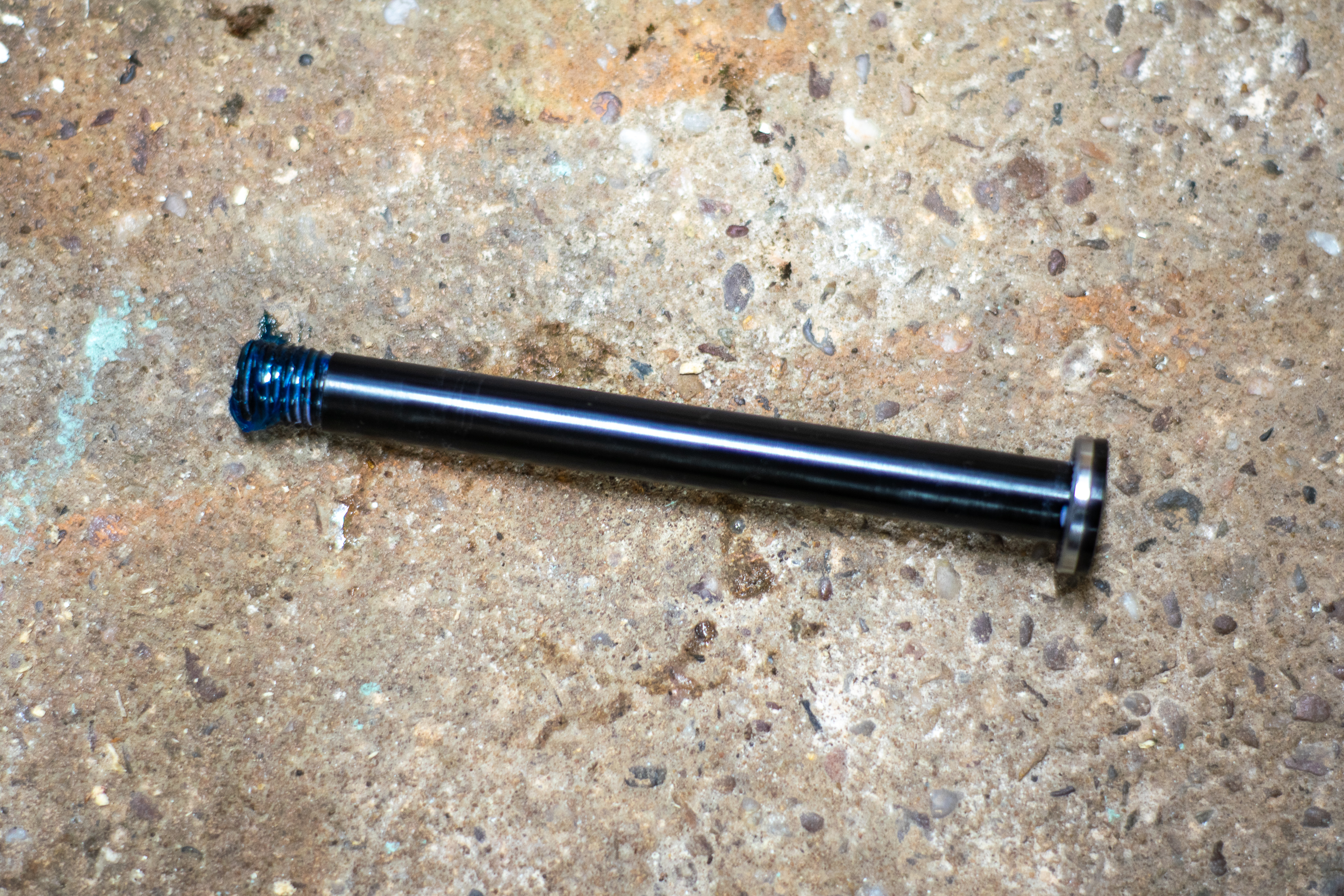
There are a variety of parts that need greasing on a bike, but two important jobs for winter are ensuring your bikes thru axles and seatpost are clean, greased and not seized.
A seized seatpost can be a nightmare, and it's good practice year round, but especially during the cold, wet winter months to keep your seatpost clean and coated with grease, carbon paste or anti seize.
Set a maintenance period, every month is a good interval. Remove it from your bike, wipe it clean, add carbon paste if its carbon and grease if it isn't, and reinstall it. It won't seize on you and will minimise potential creaks.
It's less pressing, but making sure your bikes thru axles are clean and have greased threads will also save you a headache, a seized thru axle can also cause a headache.
6. Rim brake specific tips
Rim brake riders, I've got you covered, too. Here are a few pointers regarding rim brakes that will help you get that little bit more out of your system.
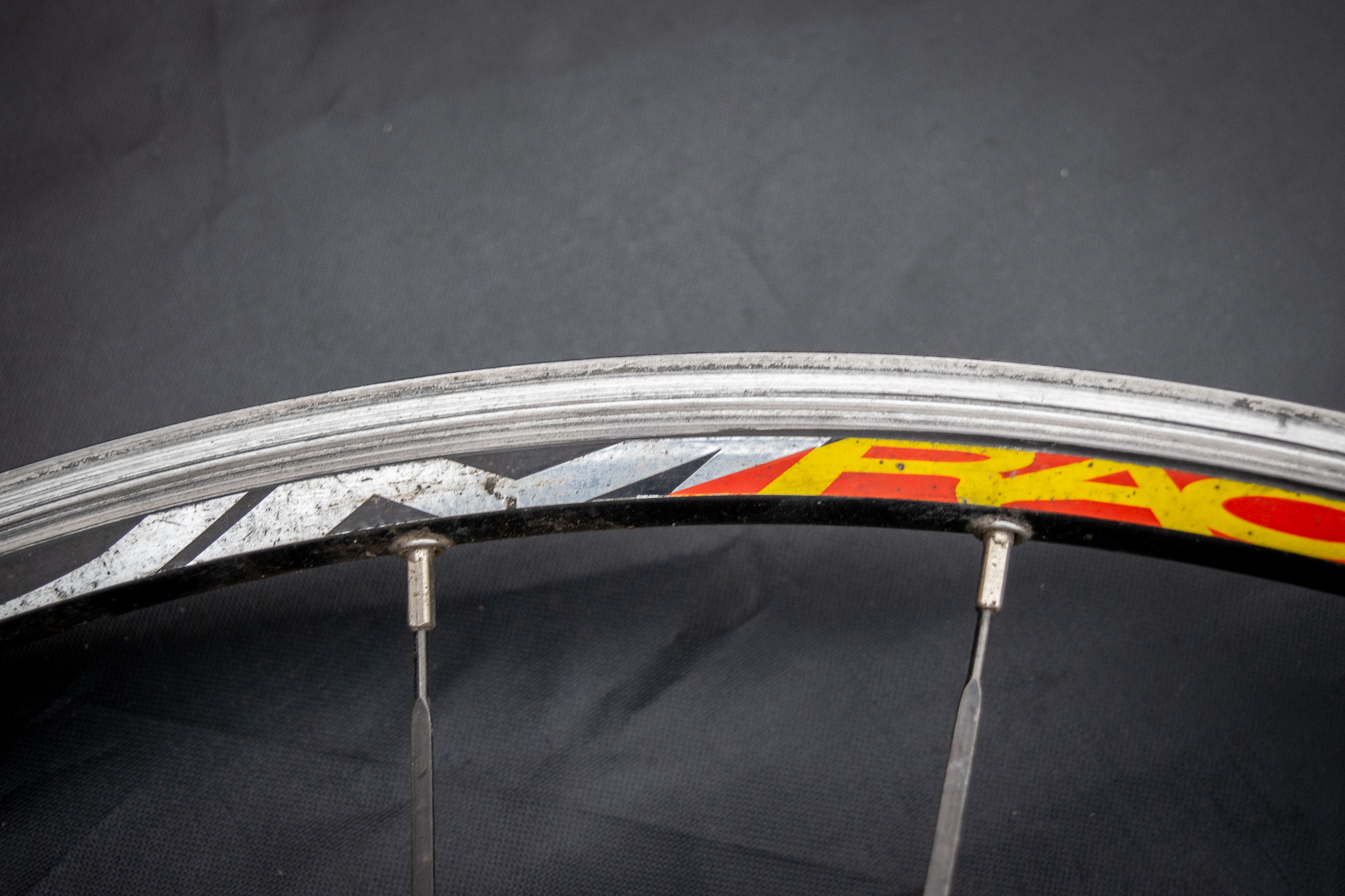
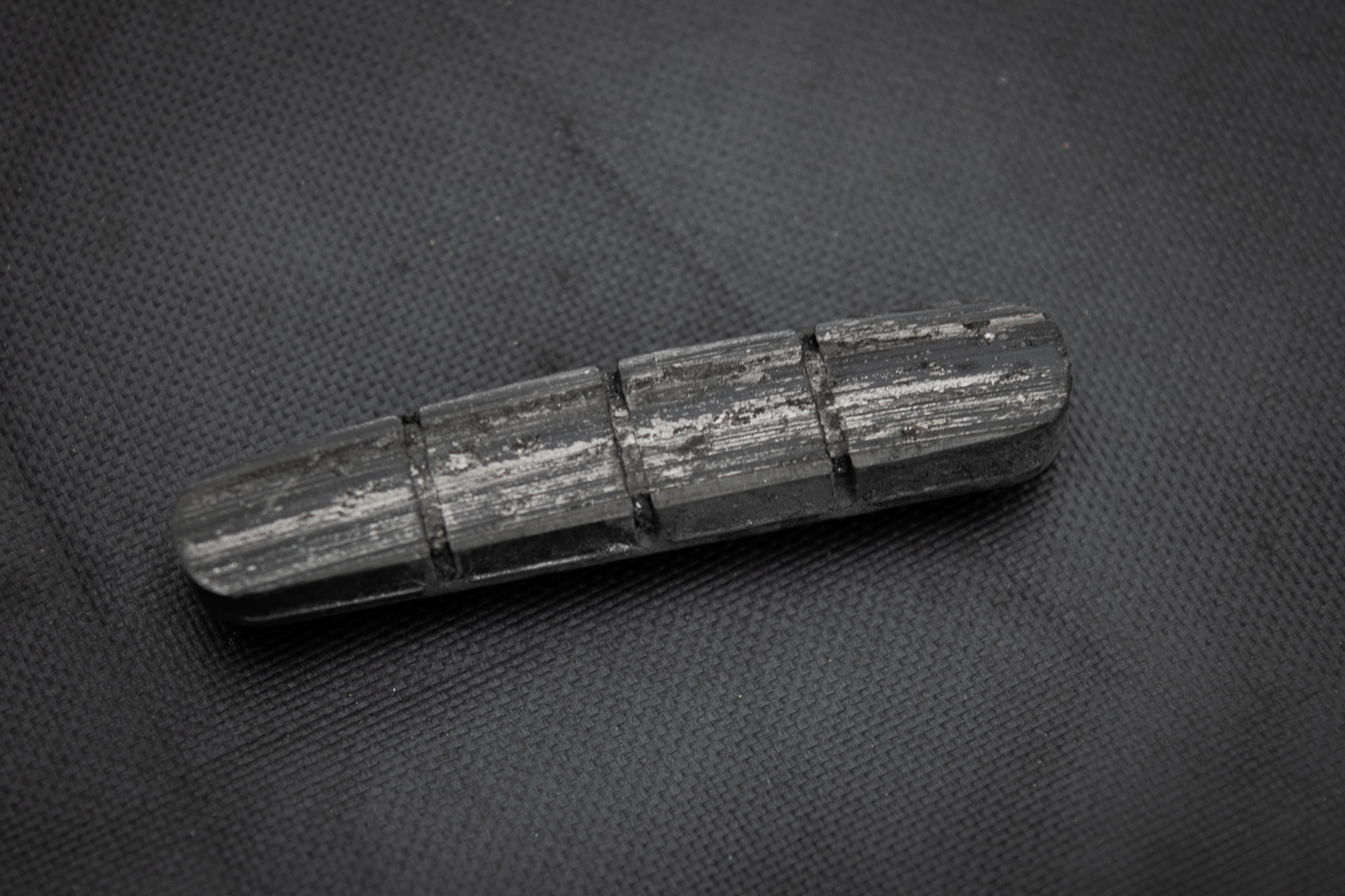
Rim brake pads themselves will pick up contaminants over time and often end up with slivers of metal stuck into the pad itself when they contact your rim every time you brake, accelerating wear, and it can also sound terrible. Remove your wheels and check your pads every few weeks, and pick out any shards with a Stanley blade or pick.
Front rim brake calipers generally stay put for long periods of time and the drilling at the back of the fork for the caliper bolt can often get filled up with muck and gunk over time. A seized and partially rounded off caliper bolt can be a nightmare to undo if the caliper needs to come off for work.
Make sure this area stays clear of muck by cleaning it or even tape it up for winter. Mudguards will also help you here.
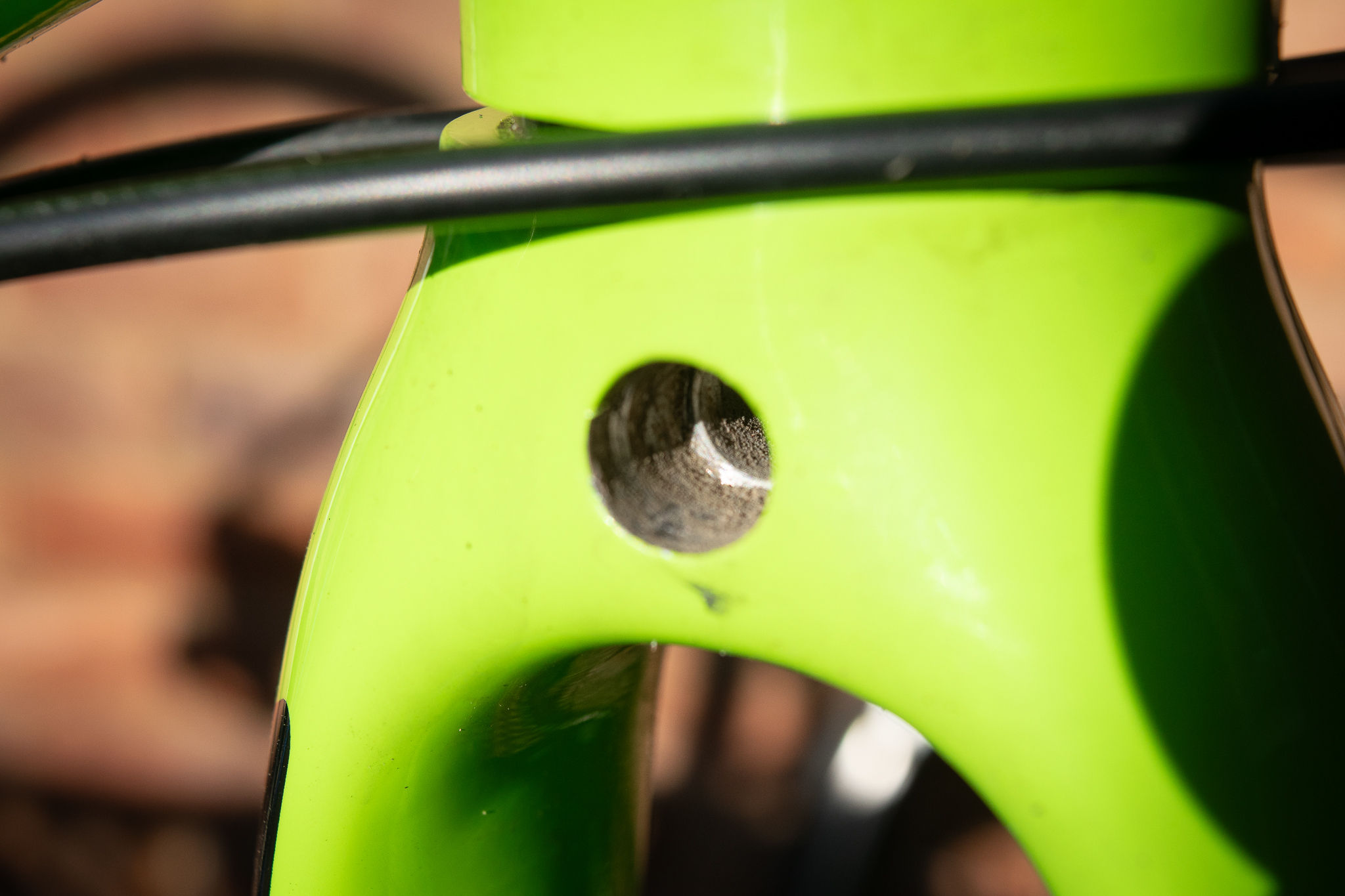
Keep your rims as clean as you can. It will help your brakes feel a lot better, reduce noise and prolong rim and pad life.
You can just use a dry cloth to do this, if your rims are a little mucky you will be amazed at what comes off them. It's an easy and satisfying job, just maybe do it with some gloves on. You can also finish them with a wipe-down with Isopropyl alcohol if you want them really clean.