
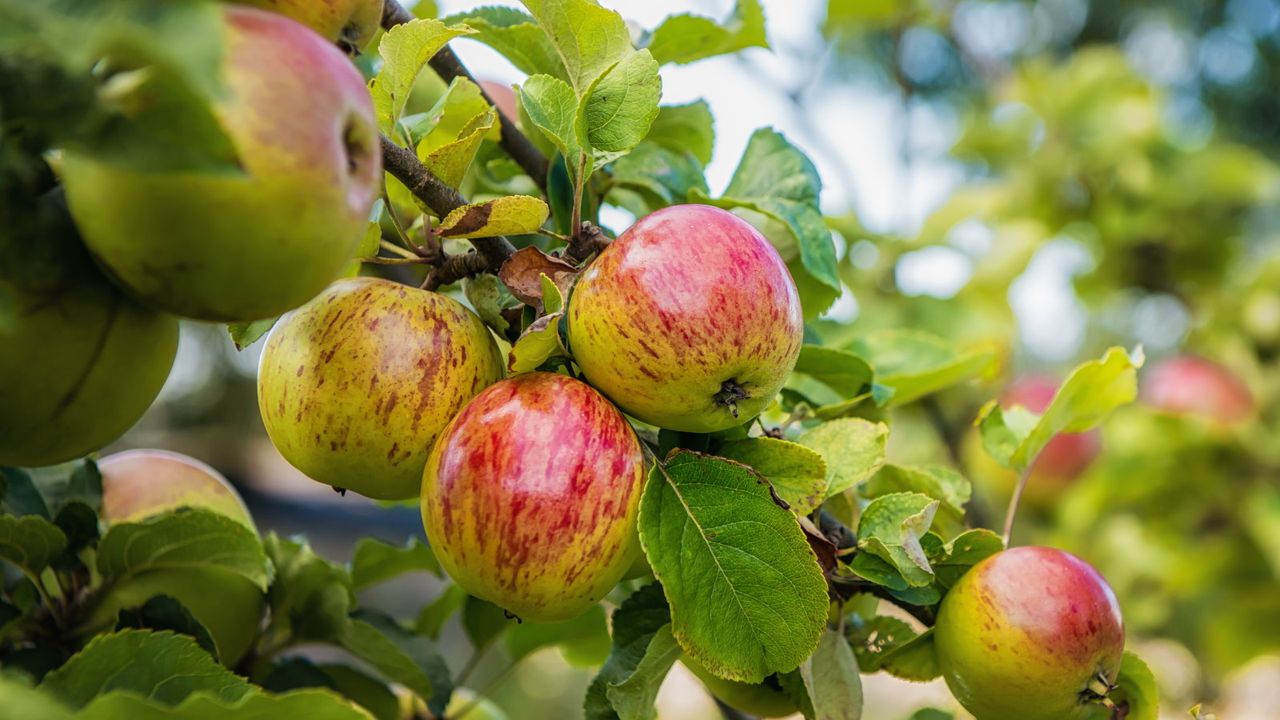
Whether grown as part of a mixed orchard or on its own in a backyard, an apple tree is not only a thing of beauty but can be remarkably productive as well. With thousands of cultivars available, there is an astonishing array of colors, shapes and fruit flavors to choose from.
Forms range from standards to cordons and espaliers, so an apple tree can be a great addition to even the smallest of outdoor spaces. Caring for an apple tree is required throughout the year, especially in spring.
If you are wondering what your apple tree specifically needs in April, I spoke with horticultural experts who share their tips on caring for your apple tree so that it thrives.
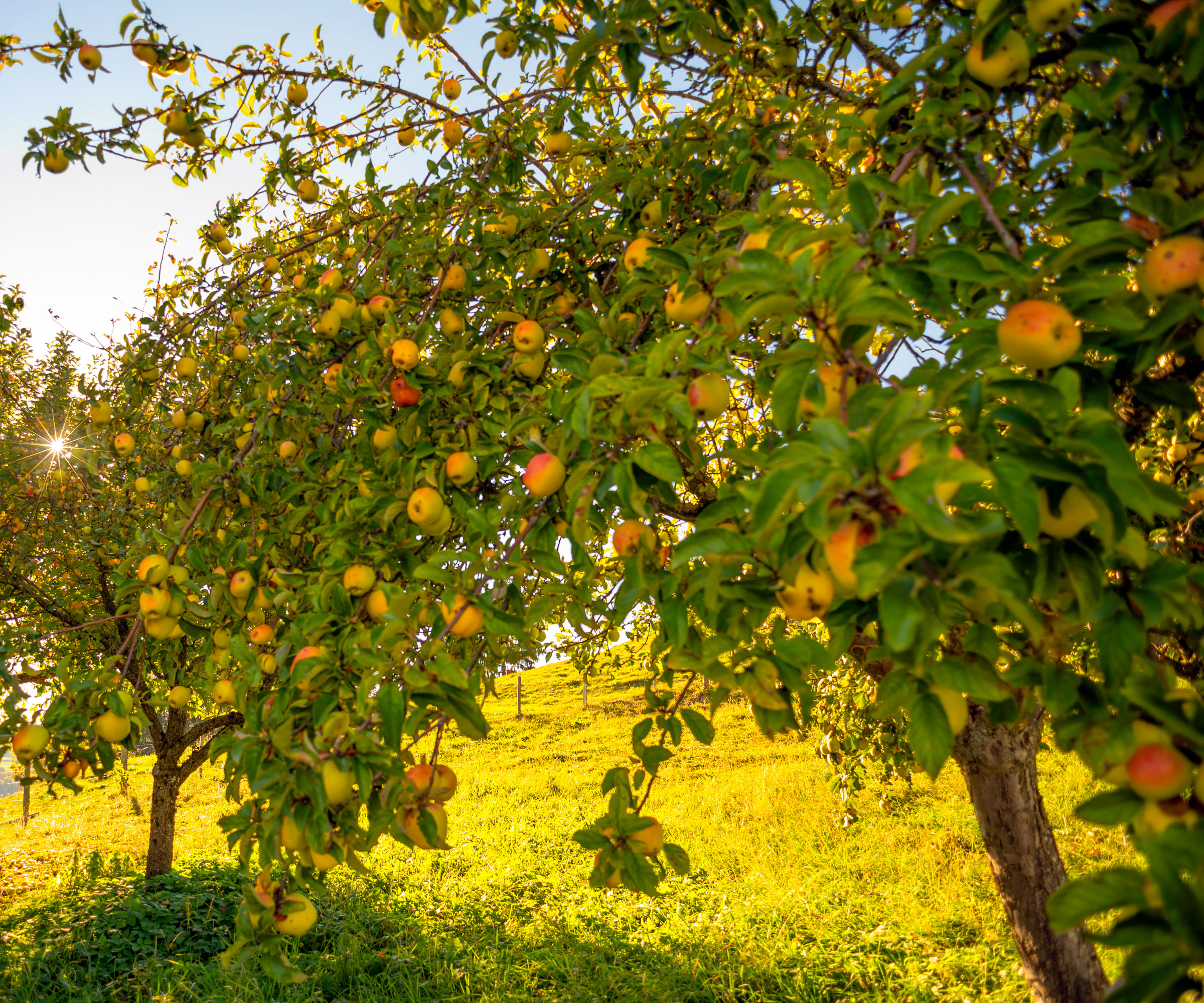
What do Apple Trees Need in April?
Apple trees are generally best grown in USDA zone 4 and above, although some hardier varieties can tolerate zone 3.
Depending on your location, daily temperatures can vary widely, and April can feel like you are either just coming out of winter or well on your way to summer.
Consequently, in colder areas apple trees may still be dormant, but in warmer areas, they may already be covered in green foliage and thus have different needs.
Either way, as Marta Lynch, Farm Manager at the Pennsylvania Horticultural Society's Norristown Farm Park, advises, ‘April is a critical time for setting apple trees up for success throughout the growing season.’
Pruning

Pruning an apple tree is key to its care and supports healthy growth and productivity come harvest time. However, knowing when to prune an apple tree is just as important as how to prune an apple tree, as pruning at the wrong time of year can increase susceptibility to disease and reduce the fruit crop.
For standard apple trees, most pruning is performed when they are dormant, typically from November to March, to remove any dead, damaged, or diseased material and reduce congestion. However, cordons, espaliers, and other trained forms are also pruned in summer.
In warmer areas, April may be too late to prune an apple tree, but if your tree is yet to break its dormancy, pruning is still possible.
Matt Lebon, founder of The Foodscaper, says ‘One thing I love to do in April is pruning. Some might say that's late, but I disagree, as long as your tree still hasn't leafed out.
'You can start to see the flower buds swelling and if you do your pruning then you can bring the branches inside, stick them in water and watch all the blooms come to life on the counter.’
Using the correct pruning tool for the job will not only make it more enjoyable but also help prevent any unnecessary damage to the tree.
A sharp and clean pair of pruning shears, such as these Okatsune 103 bypass pruners from Amazon, will help make light work of pruning back thin material.
Fertilizing and Mulching
Fertilizing mature apple trees is not generally required, unless they are showing signs of poor growth and lack of vigor, but young specimens can benefit immensely to support their early growth.
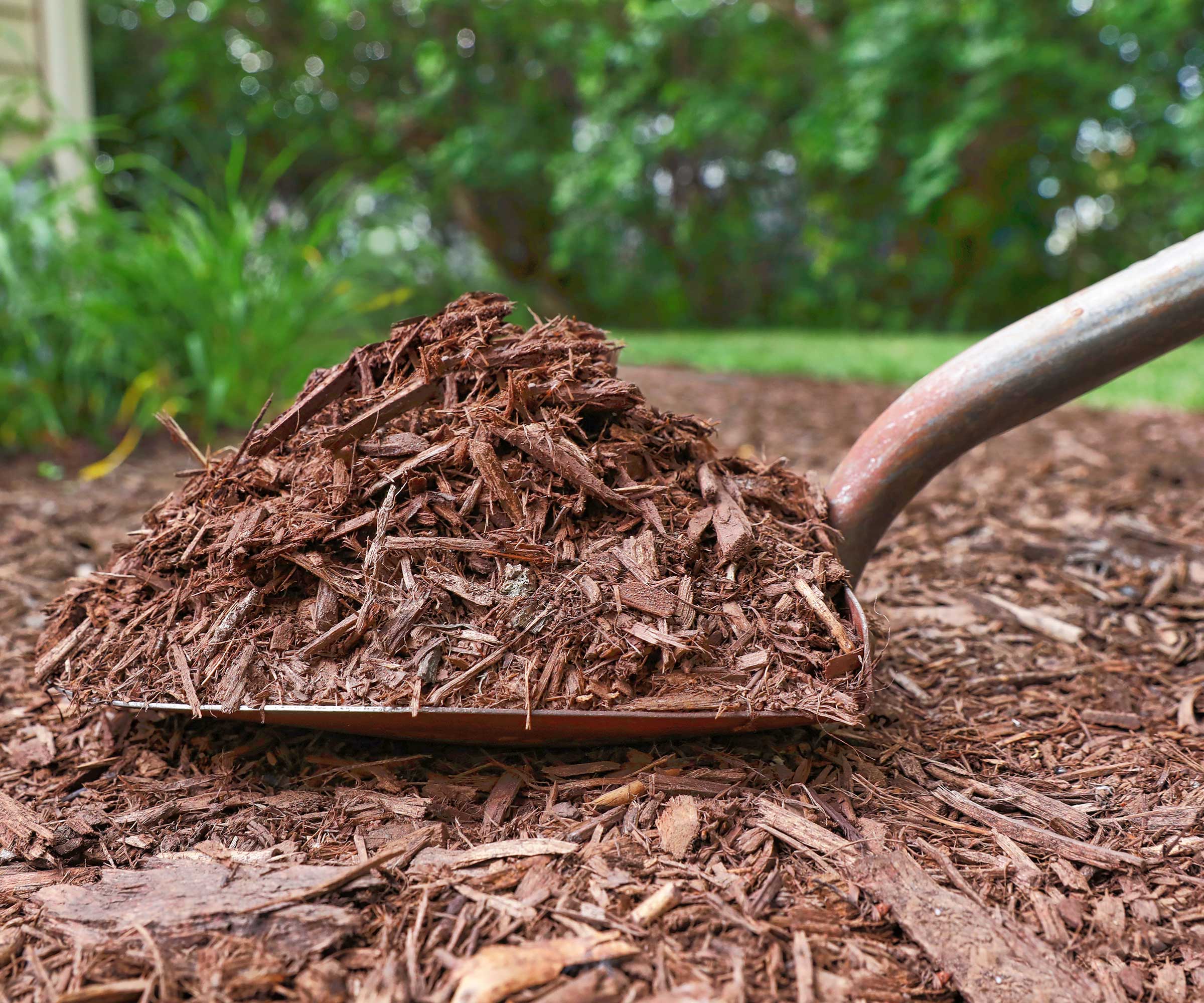
You can provide nutrients for apple tree growth, fruiting and root production through applying a mulch or a higher concentrated fertilizer. Often favored as a more natural and gentle approach, organic mulches not only provide key nutrients but also help prevent weeds and reduce watering.
Best applied in spring or the fall, April is an ideal time to mulch apple trees. Mulches for apple trees often include well-rotted manure and leaf mold, but garden compost is also suitable.
Before mulching, Marta suggests ‘starting with a thorough spring cleanup by removing any mummified fruit from the tree or ground and doing a careful round of weeding.’ She continues, ‘Applying a fresh layer of mulch helps retain moisture and suppress weeds, but be sure to keep it away from the trunk,’ as this can encourage rot.
In colder areas, mulching apple trees can also protect them from the cold. By applying a thick organic mulch, you are adding an insulating layer, which will help protect the roots from the low temperatures of winter.
Alternatively, and for a higher level of nutrients, general-purpose fertilizers such as this Jobe’s organics all-purpose fertilizer available from Amazon, can be applied in April. However, Matt recommends ‘looking beyond organic fertilizers and into things like mycorrhizal inoculants, azomite and biochar.’
Used for thousands of years as a way to boost soil health, biochar can help retain moisture and nutrients in the soil. You can purchase Char Bliss organic biochar from Amazon.
‘Finally, if rainfall has been limited, be sure to water deeply, especially for newly planted trees, to encourage strong root development,’ advises Marta.
Frost Protection
Fruit tree blossoms are a delight to observe and often signify that winter is on the way out. However, as beautiful as they are, fruit tree blossoms are also incredibly delicate, and potential harvests can be destroyed by a late frost.
As an apple tree’s blossom develops, it is worth keeping a close eye on the forecast to determine if any frosts or temperatures below 28°F are likely. If so, you will want to protect your apple trees, especially younger specimens, from damage.
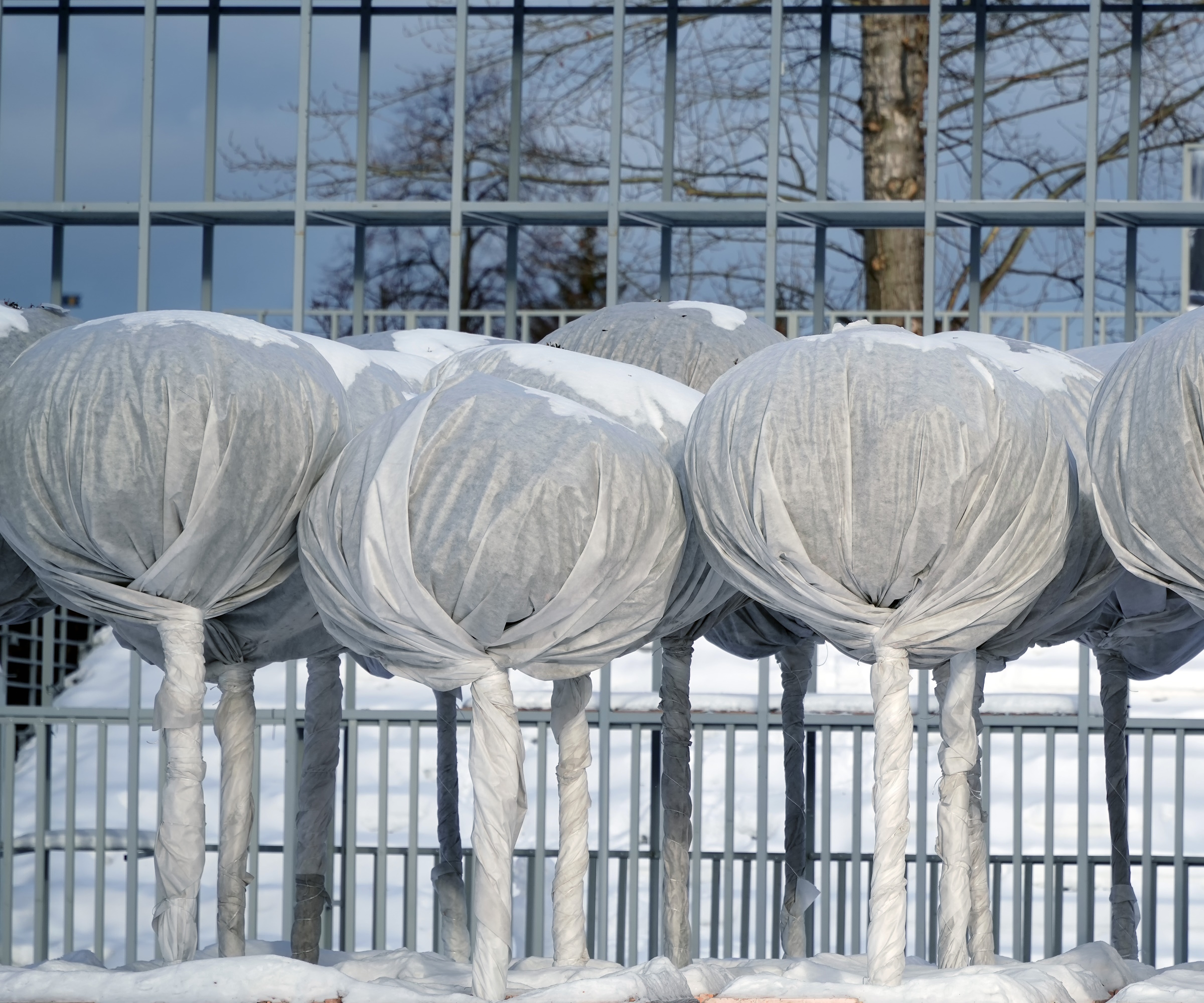
To protect your apple tree from late frosts, you can cover it with horticultural fleece or frost cloth, as it is also called. Care is needed when laying it over the tree to avoid damaging the blossoms or new buds, and for full coverage, it should extend down to ground level on all sides and be secured so it does not blow off.
Once the danger is over, it is important to remove any covers to allow light and pollinators to reach the tree. You can purchase Toniful frost cloth from Lowes, or purchase ready-made covers like these winter tree covers with zipper and drawstring from Amazon.
In addition to pruning, mulching and protecting from frost, Marta recommends to ‘Keep an eye out for early signs of pests and disease, and consider hanging pheromone traps to track codling moth and Oriental fruit moth populations.’
Pests and diseases can affect all top fruit, including apples and if not monitored, can dramatically reduce yields come harvest time. You can discover more about codling moth and woolly apple aphids in our specialist features on how to identify and control them, should your apple tree succumb.
Love inspiring garden ideas, outdoor advice, and the latest news? Sign up for our newsletter and get the latest features delivered straight to your inbox.