
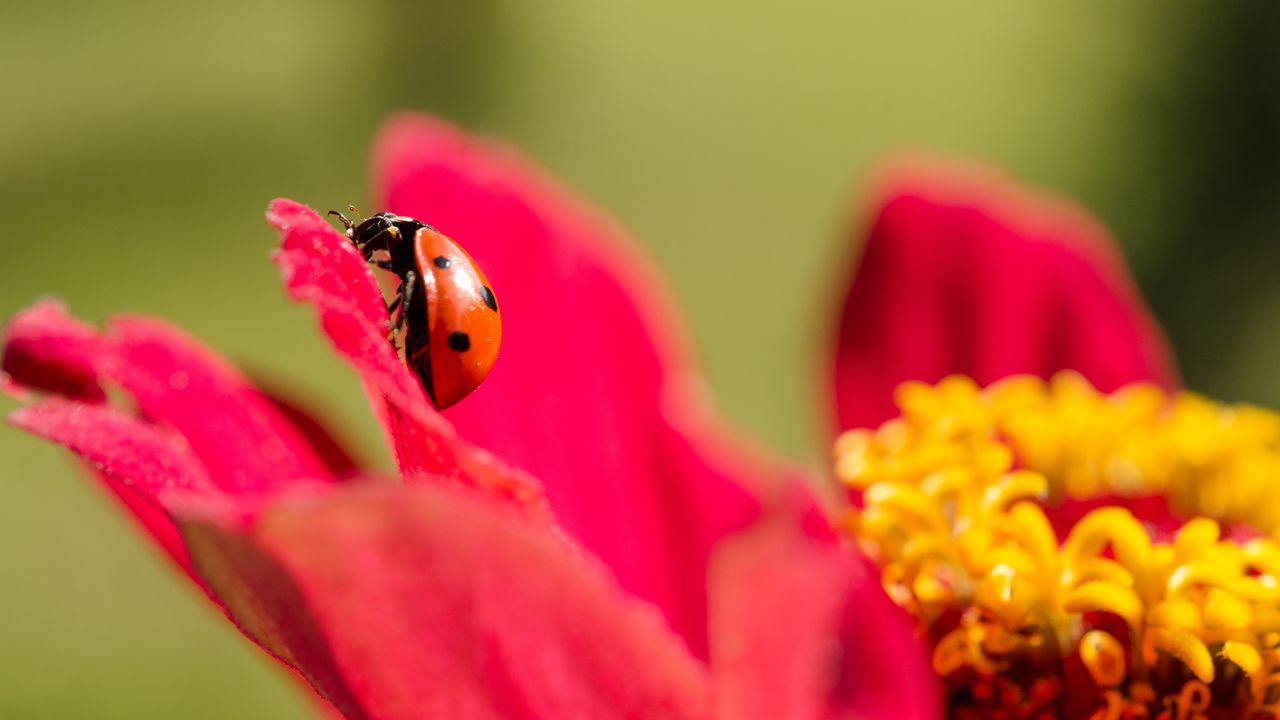
Ladybugs are among the most welcome visitors to any garden, devouring aphids and other destructive pests before they have a chance to damage your plants. If, like me, you want to steer clear of chemical sprays and let nature do the hard work for you, I know of one beautiful, simple-to-grow flower that can help.
Zinnias aren't just prized for their colorful, long-lasting blooms. Their pollen-rich flowers, combined with their ability to attract aphids and other insects, make them a magnet for ladybugs in summer. They are also super-resilient, and where many other annuals in my cutting patch have failed in this heatwave, the zinnias are still going strong.
Here, I explain why planting zinnias is one of the simplest ways to encourage these natural pest controllers into your yard. (And another great thing? You can still direct sow some now to flower through fall. Try these zinnia seeds from Botanical Interests.)
Why Ladybugs Love Zinnias
Ladybugs are hungry predators, and aphids are one of their favorite food sources. While zinnias themselves aren't especially prone to aphid infestations, they can attract small numbers of these sap-sucking insects, particularly on fresh, tender growth.
More importantly, zinnias are often grown alongside vegetables, roses, and other flowering plants that aphids love. Once aphids are present, ladybugs quickly move in to feed; a single adult is capable of eating dozens of aphids a day making them a brilliant method of natural pest control in the yard.
Although ladybugs are best known for eating aphids, adult beetles also feed on pollen and nectar, particularly when insect prey is limited. Zinnias (and you can still find live zinnia plants from Amazon) produce pollen-rich blooms over many months, offering a reliable food source throughout summer and fall.
Single and semi-double zinnia varieties are especially valuable because their open flowers make pollen and nectar easy for insects to access.
You can find single variety zinnia seeds from Botanical Interests.
The Best Ways To Grow Zinnias to Attract Ladybugs
A patch of zinnias, whether grown in pots or in a bed, quickly becomes a hub of beneficial insect activity. Alongside ladybugs, the brightly colored blooms attract hoverflies, lacewings, native bees, butterflies, and other pollinators.
Unlike many annuals that bloom in short bursts, zinnias keep producing new flowers from early summer until the first frost if they're regularly deadheaded. The best tool for the job are these Fiskars snips, available from Amazon. I have used them for years and would highly recommend.
A long flowering season also increases the chances that ladybugs will establish themselves nearby and continue patrolling your plants for aphids.
It's worth knowing that zinnias work best as part of a wider planting scheme designed to support beneficial insects. Growing them alongside nectar-rich herbs such as dill, fennel, cilantro, and yarrow creates an even more attractive habitat, while nearby aphid-prone plants provide a steady food supply for hungry ladybugs.
What to Shop

Using some flower fertilizer on your zinnias will give them a much-needed boost if growing from seed later in the summer.

Beneficial insects and pollinators love this Zinderella zinnia variety for its abundance of pollen and large flower heads.

Always carry a good pair of snips with you and keep on top of the deadheading to ensure your zinnias continue to produce flowers through fall.
Combining beneficial plants with a pesticide-free approach encourages ladybugs to breed, lay eggs, and complete their life cycle in your garden, providing long-term, natural pest control rather than just attracting occasional visitors. And you can rest assured that no toxic chemicals will have entered your local ecosystem.
If you love inspiring garden ideas, outdoor advice, and the latest news, why not sign up for our newsletter and get the latest features delivered straight to your inbox?