
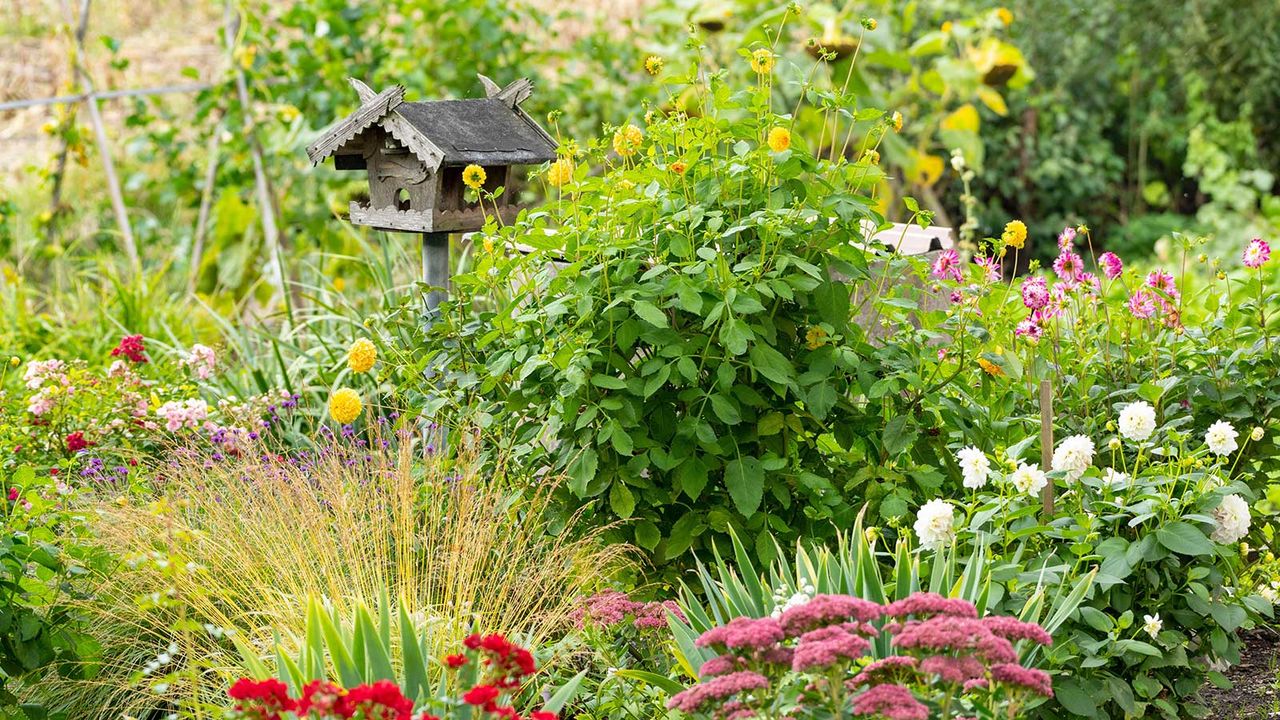
Bird feeders might be the key to encouraging native birds to visit your garden, but they can also attract other visitors, including rats.In fact, if you've happened to notice any unwanted guests in your garden, it might be down to one thing: leftover bird feed. This can be particularly enticing to plenty of creatures, but when the night draws in, rats can come in search of food – and bird feeders are often their first target.According to experts, learning how to feed birds is about more than plants and feeders: it also requires a few more considerations to help deter pests. These handy tips will not only keep birds happy, but also preserve the harmony in your garden.

Why Bird Feeders Attract Rats

There are plenty of reasons why you might find rats in your garden, but your bird feeder may well be the culprit. If you've ever watched birds visit a bird feeder, you'll know that they aren't exactly the tidiest guests. Seeds will spill onto the ground in no time, and this is exactly what rats come searching for under the cover of nightfall.'While birds feed during daylight hours, rats are primarily nocturnal, so they come out at night to take advantage of the leftover seed and husks scattered below bird feeders,' explains Kyle Turner, Pest Control Specialist and President & CEO at Pro Active Pest Control. 'Once rats discover a consistent food supply, they tend to return repeatedly and may even establish nests nearby.'With this in mind, here are six ways to stop your bird feeder from attracting rats.
1. Feed Birds Earlier in the Day

While rats will visit your garden at nightfall, most garden birds will do the opposite – so it's best to take advantage of this and fill your bird feeders in the morning.'One of the easiest things you can do is to manage when and how birds are fed,' says Sean Hearn, licensed Pest Control Operator, Associate Certified Entomologist, and Chief of Revenue at All "U" Need Pest Control. 'Putting out seed earlier in the day will really help to remove the food source rats look for at night.'
2. Clear Up Leftover Feed Before Dusk

Since spillages and excess feed is what attracts rats, it's crucial to clear up your bird feeder at the end of each day.'Avoid leaving excess feed out overnight,' advises Kyle. 'Clearing up spilled seed around dusk removes the prospect of that easy night-time meal.'If you're particularly apprehensive about pests, you can even bring your bird feeders inside in the evening and refill them each morning. This will give you peace of mind and ensure that your garden doesn't become a hotspot for rats.
3. Invest in Seed-Catching Trays

'I suggest feeders with catch trays or seed-saving designs, which help prevent large amounts of food from spilling onto the ground,' says Kyle.Hanging trays, like this one from Walmart, are a budget-friendly way to protect your bird feeders: they're specifically designed to contain seeds and keep your garden as tidy (and pest-free) as possible. 'If you're looking at which feeder to select, make sure you're matching the seed size to the openings on the feeder,' advises Ralph Masferrer, Director of Technical and Training at Aruza Pest Control. 'If the holes on your feeder are too big, smaller seeds will still fall out, creating further waste and spillages.'Mesh seed catchers, like this one from Walmart, can also limit waste by fitting onto the base of your bird feeder.
4. Pay Attention to the Position of Your Feeders

According to experts, considering where to place a bird feeder is just as important as the feeder itself. Since rats are accustomed to moving around stealthily, choosing an exposed spot can help to deter them.'Positioning feeders away from walls, dense shrubs, or structures can discourage rats because they prefer to move under cover,' explains Kyle.Rats are also keen climbers, so securing your feeders to poles or other elevated spots is a wise decision.'Mounting feeders on a smooth metal pole with a baffle or guard makes it hard for rats to climb,' says Ralph. (You can pick up adjustable bird feeder stands from Amazon for as little as $30.)
5. Secure Your Storage

Another crucial consideration? Storage. While feeders and bird tables can act as rodent hotspots, rats will also attempt to find food at the source: your feed containers. 'Bird seed should always be kept in sealed, chew-resistant containers so rats can’t access it,' says Sean. 'It's also preferable to keep containers off the ground to make them that much more difficult for rats to find.''I recommend storing bird seed in metal bins with tight-fitting lids, because rodents can easily chew through plastic bags or thin containers,' adds Kyle. (Consider metal barrels or bins with locking lids, like this one from Walmart.)
6. Add Natural Deterrents to Your Garden

It's easy to forget, but plants can act as natural (and non-toxic) deterrents to rats – while adding plenty of joy to your garden, of course.'Some homeowners plant natural deterrents, such as strongly-scented herbs like mint, around their gardens,' explains Kyle. 'These can help to make the area less appealing to rodents.'
What to Shop

This 6-gallon bin features a carrying handle and a tight-fitting lid with a locking mechanism. It also has an offset base to help raise it off the ground.

While birds can easily perch on this tray, its raised design prevents seed from spilling. Its split design is adjustable and easy to clean.

Plastic baffles can be attached above bird feeders to prevent rats and squirrels from gaining access. They also act as a weather guard for birds.
Love inspiring garden ideas, outdoor advice, and the latest news? Sign up for our newsletter and get the latest features delivered straight to your inbox.