Get all your news in one place.
100's of premium titles.
One app.
Start reading
Kids Ain't Cheap
Kids Ain't Cheap
Evan Morgan

Therapists Warn More Kids Are Showing Signs of “Masking Fatigue” After School

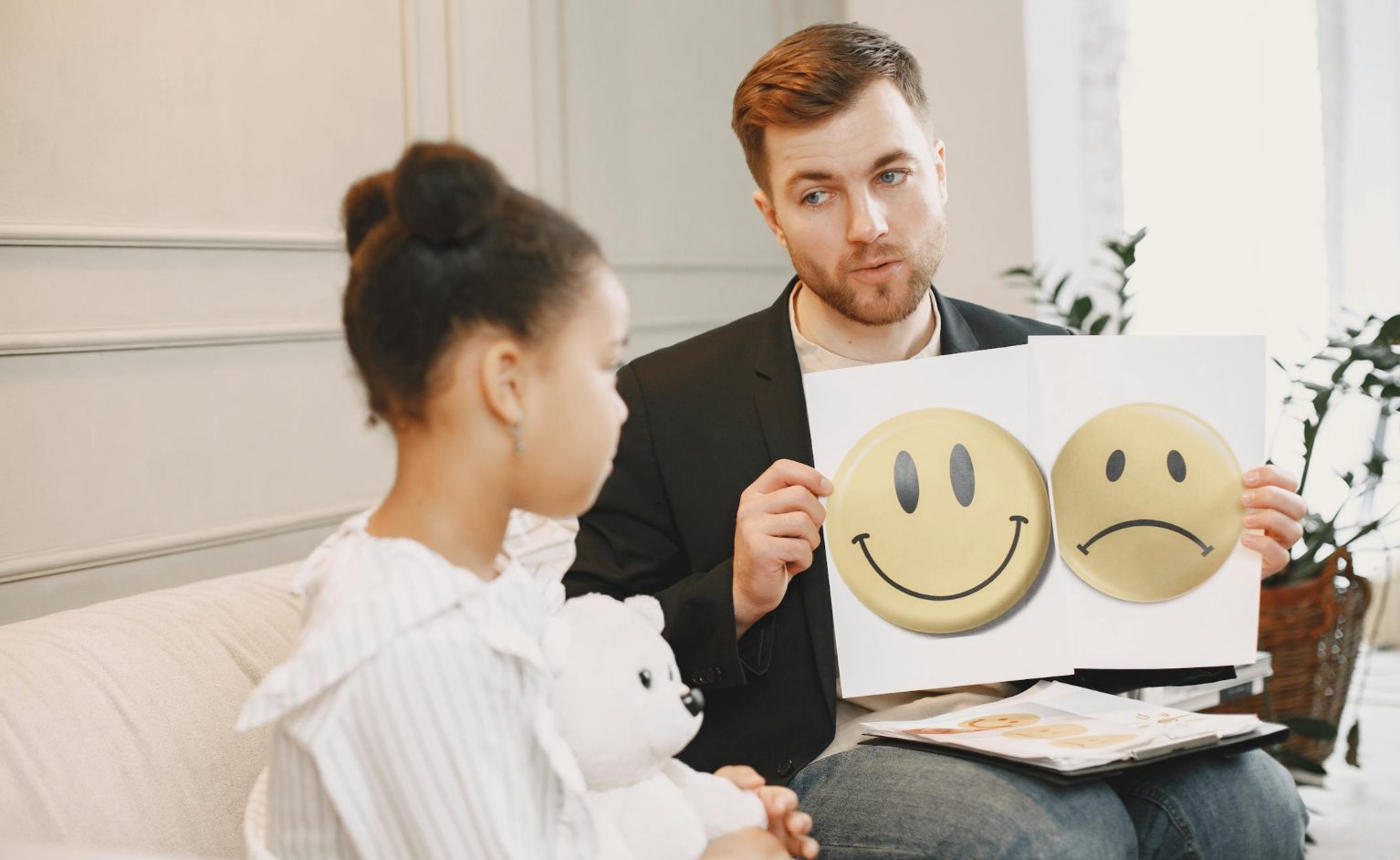
Child With Therapist
Therapists are warning that more children today are suffering from “masking fatigue” – Pexels

Parents often expect a cheerful reunion after school, but many are seeing something very different. Their child comes home irritable, withdrawn, exhausted, or suddenly emotional after seeming “fine” all day. Therapists say this pattern may reflect masking fatigue in kids, a growing concern linked to the pressure of hiding stress, sensory overwhelm, or social struggles during the school day. While commonly discussed in neurodivergent children, experts note that more kids across different backgrounds are showing signs of emotional exhaustion after hours of trying to meet expectations.

Why Some Kids Seem Fine at School but Fall Apart at Home

Many children spend the school day carefully managing behavior, emotions, and social interactions to fit in or avoid negative attention. Therapists describe masking as suppressing natural reactions, forcing social engagement, or hiding discomfort to appear “okay.” A child may hold in sensory overload, anxiety, frustration, or confusion until they reach a place that feels emotionally safe. That safe place is often home, which is why parents sometimes witness the emotional crash. Research and clinical observations increasingly connect this pattern to masking fatigue in kids and elevated emotional stress.

The Signs of Masking Fatigue Parents Should Not Ignore

Masking fatigue in kids does not always look dramatic. Some children melt down after school, while others shut down, retreat to their room, or complain of headaches and stomachaches. You might notice extreme tiredness after social events, a sudden need for silence, or a child who seems unusually emotional over small frustrations. Therapists also warn against assuming a well-behaved child is automatically coping well internally. Kids who appear high-functioning in structured environments may still be carrying an invisible emotional load.

Why Therapists Say Social Pressure Is Playing a Bigger Role

Today’s school environments demand constant social navigation, fast transitions, and heavy performance expectations. Children are managing academics, friendships, extracurricular activities, and in many cases, digital social pressure that follows them home. For neurodivergent children, masking can include forcing eye contact, suppressing stimming, or copying peer behavior to avoid standing out. But therapists note that even non-neurodivergent kids may hide anxiety, sadness, or overwhelm to avoid judgment. Over time, that nonstop self-monitoring can fuel masking fatigue in kids and make after-school hours emotionally volatile.

What Parents Can Do When the After-School Crash Happens

Experts say the first step is not punishment or immediate problem-solving. A child who explodes after school may not be acting out against family members; they may be releasing hours of accumulated stress. Creating a calmer transition home can help, whether that means a quiet snack, sensory-friendly downtime, music, movement, or reduced demands for the first 30 minutes. Parents can also ask gentle questions like, “What part of today took the most energy?” instead of “Why are you in a bad mood?” When masking fatigue in kids becomes frequent, persistent, or disruptive to sleep, mood, or school attendance, therapists recommend seeking professional guidance.

The Bigger Message Behind After-School Emotional Exhaustion

One common misconception is that children who mask are simply being dramatic or manipulative at home. Therapists strongly push back on that belief, explaining that many kids unravel where they finally feel secure enough to stop performing. That does not mean parents caused the behavior; in fact, it can mean the child trusts the environment enough to release pent-up emotions. Understanding masking fatigue in kids helps shift the conversation from discipline to emotional support and curiosity. When adults recognize the hidden work some children do to navigate daily life, they are often better equipped to build routines that support healthier emotional recovery.

What This Trend May Be Telling Us About Childhood Today

The rise in conversations around masking fatigue in kids points to a larger question about modern childhood and emotional well-being. Are children getting enough space to decompress, express discomfort, and be imperfect without fear of judgment? Therapists say recognizing masking early can help families address anxiety, sensory stress, burnout, and unmet emotional needs before they escalate. A child who looks “fine” all day may still be carrying more than adults realize.

Have you noticed an after-school personality shift in your child or someone you know? Share your thoughts and experiences in the comments — your story could help another parent feel less alone.

What to Read Next

School Counselors Say More Children Are Masking Autism Symptoms Until Burnout Hits

Illinois Parents Say School Behavior Policies Are Disproportionately Impacting Autistic Kids

Why Are Toddlers Suddenly Being Diagnosed With Social Fatigue?

The post Therapists Warn More Kids Are Showing Signs of “Masking Fatigue” After School appeared first on Kids Ain't Cheap.

Sign up to read this article
Read news from 100's of titles, curated specifically for you.
Already a member? Sign in here
Related Stories
Top stories on inkl right now
One subscription that gives you access to news from hundreds of sites
Already a member? Sign in here
Our Picks
Fourteen days free
Download the app
One app. One membership.
100+ trusted global sources.