Here's the opening of what I wrote about the case in Tablet Magazine two years ago [UPDATE: just to be clear, it's just the opening; I go into a lot more detail in the article itself]:
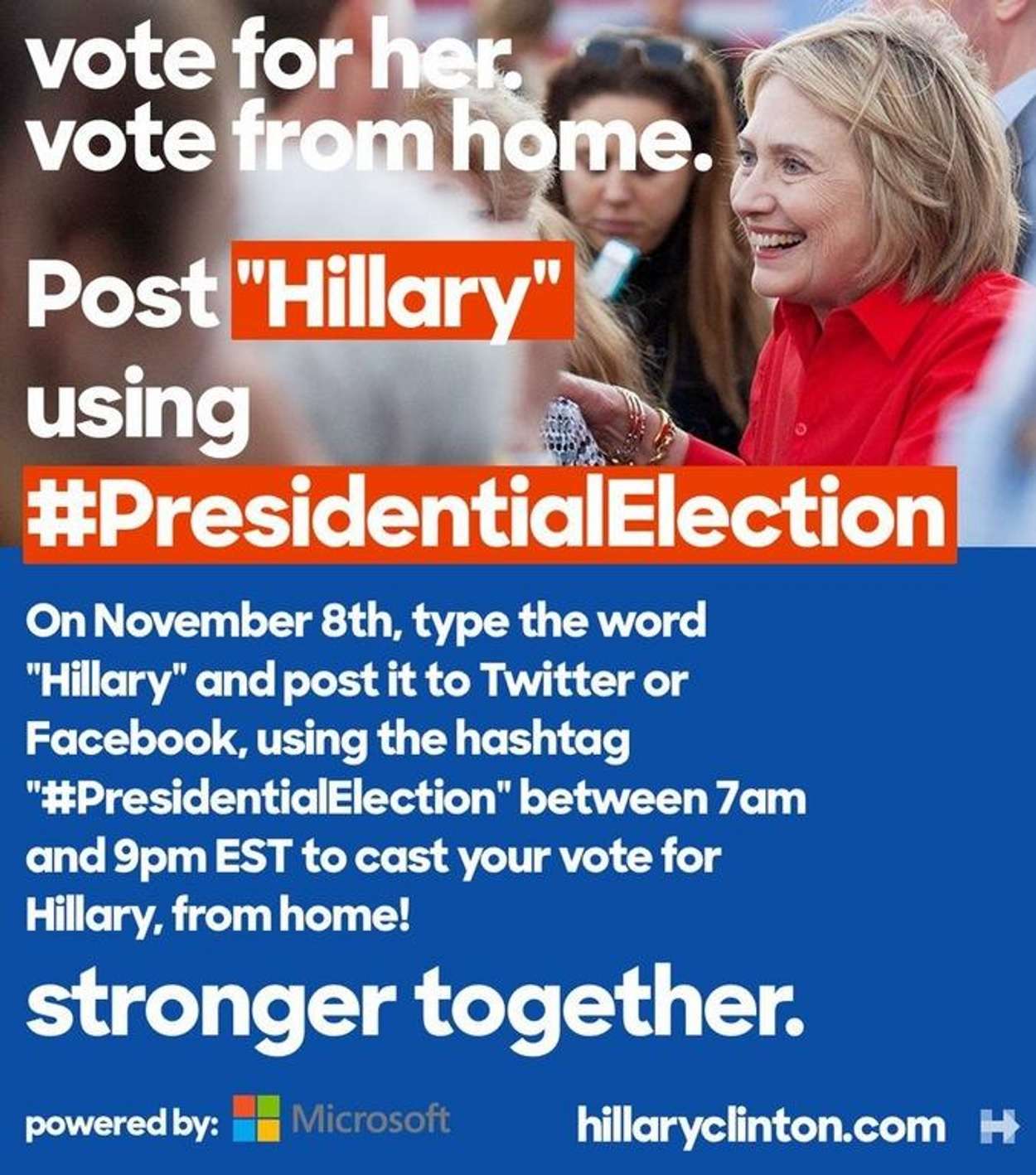
In 2016, a Florida man named Douglass Mackey (using the online alias "Ricky Vaughn") allegedly conspired to distribute a meme aimed at deceiving pro-Hillary voters.
Four years later, Mackey is now being prosecuted (as to this and as to other memes) for violating 18 U.S.C. § 241, a federal law that punishes conspiracies "to injure, oppress, threaten, or intimidate any person … in the free exercise or enjoyment of any right or privilege secured to him by the Constitution"—namely, the right to vote. Lying to voters in a way that keeps them from voting, the theory goes, is a crime.
Is this sort of prosecution constitutional? After all, people often lie in political campaigns. Candidates do it, activists do it, political operatives do it. Can election lies simply be outlawed?
Surprisingly, the Supreme Court has never resolved the question. It hasn't resolved the big-picture question: When can the government punish lies? It hasn't resolved the medium-size question: Can the government punish lies in election campaigns? And it hasn't resolved the particular question: Can the government punish lies about the mechanisms of voting, and in particular about how to vote?