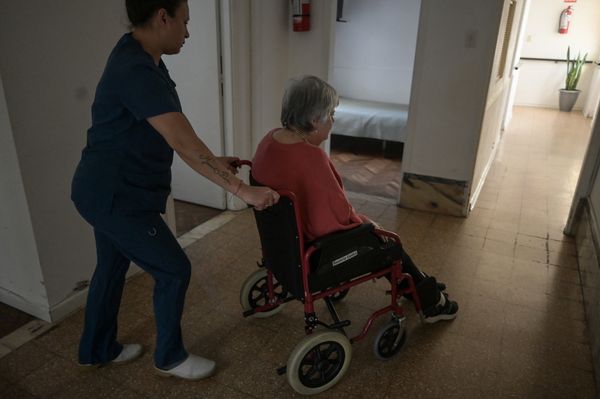
Approximately 8.7 million people in the UK work night shifts, but humans are not meant to be awake at night. “It goes against our natural circadian cycle,” says Steven Lockley, visiting professor at the Surrey Sleep Research Centre, University of Surrey. “We have a clock in the hypothalamus in the brain, and that clock has evolved to control many aspects of our physiology.” This includes metabolism and immune system, hormones, and heart, lung and brain function. “We’ve evolved to be awake in the daytime and asleep at night. When we do shift work, we’re going against what our natural rhythms want us to do.”
This is true not just for those who work in the dead of night, but for those who work early and evening shifts. It means, says Lockley, “you’re not sleeping at the right time. Night shifts are the worst example, but all of these [shift patterns] move away from the circadian desire to keep a stable sleep-wake cycle.”