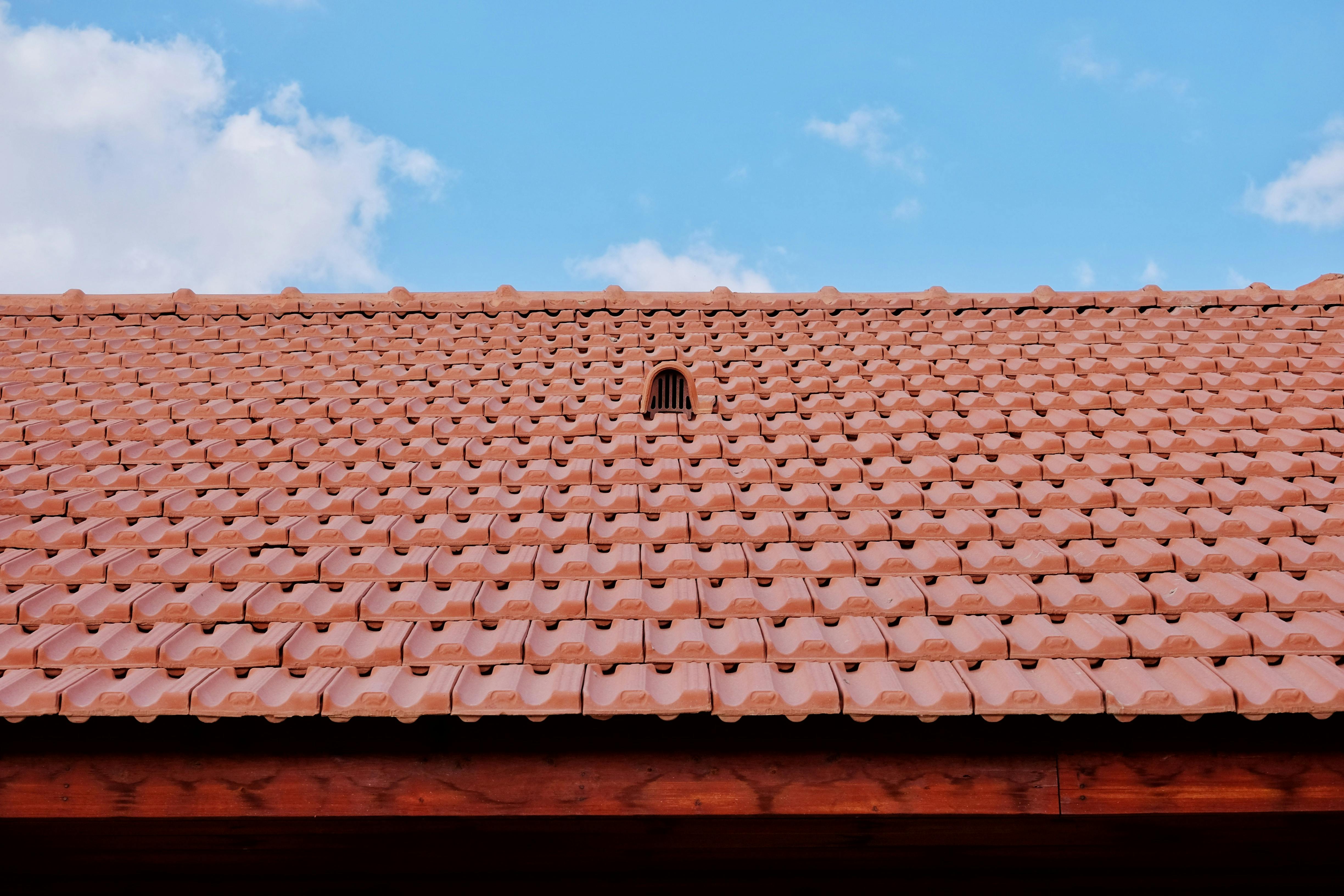
Many homeowners in Boulder spend time planning interior upgrades, updating landscaping, or improving outdoor living spaces. The roof often receives attention only when a problem appears. A leak during a snowstorm, missing shingles after a hailstorm, or signs of water damage inside the home can quickly turn into expensive and stressful situations.
That approach can be costly in a region where weather conditions place constant pressure on residential roofs. Local homes face strong sun exposure, snow accumulation, hail, wind, and sudden temperature swings throughout the year. These conditions gradually wear down roofing materials, even when damage is not immediately visible.
The roof helps preserve indoor comfort, supports energy efficiency, and shields the home from moisture-related issues. Investing in a quality roofing system today often prevents larger expenses and disruptions in the future.
The Cost of Delaying Roof Decisions
Many roofing problems start small and remain unnoticed for months or even years. A loose shingle, a damaged flashing section, or a minor leak may seem harmless at first. Over time, however, water can work its way beneath roofing materials and reach areas homeowners rarely inspect. Moisture may affect insulation, attic spaces, wood framing, and interior finishes before visible signs appear inside the home.
Delaying repairs or replacement often increases the overall cost of ownership. What could have been addressed with a targeted repair may eventually require more extensive work involving multiple parts of the property. Homeowners sometimes focus on visible damage while hidden issues continue to develop beneath the surface. Regular roof evaluations help identify concerns early and provide a clearer picture of a roof's remaining lifespan, allowing homeowners to make informed decisions before problems become more serious. If damage continues to spread unchecked, homeowners may eventually find themselves needing the services of a Boulder roofing installation company sooner than expected, often facing a much larger project than a simple repair would have required.
How Your Roof Affects Monthly Energy Costs
Many homeowners associate energy efficiency with windows, insulation, or heating and cooling equipment. The roof also plays a significant role in regulating indoor temperatures throughout the year. When roofing systems function properly, they help manage heat flow and support balanced airflow within the home.
Attic ventilation is especially important. Poor ventilation can trap heat during warmer months, forcing cooling systems to work harder. During colder seasons, inadequate airflow may contribute to moisture buildup that affects insulation performance. A well-designed roofing system helps create a healthier attic environment while supporting overall energy efficiency.
When homeowners invest in roofing improvements, they often gain benefits beyond weather protection. Better temperature control can improve comfort levels inside the home and help heating and cooling systems operate more efficiently throughout the year.
Warranties Are Worth Reading Closely
A roofing warranty can give homeowners useful protection, but the details matter. Many warranties cover roofing materials, while workmanship coverage depends on the contractor. Homeowners should ask what the warranty includes, how long coverage lasts, and what could void it. Poor attic ventilation, improper installation, reused flashing, or unapproved materials may affect coverage. It also helps to ask whether the warranty transfers to a future buyer, since that can add value during resale. Keep copies of contracts, warranty documents, product details, and inspection records in one place. These papers make future claims easier to handle. A strong warranty should feel clear, specific, and easy to understand before any work begins.
Storm Resistance Deserves Serious Attention
Local homeowners know that hail and wind can damage a roof quickly. Impact-resistant shingles may help reduce damage from hail, although no product can make a roof storm-proof. The best approach starts with choosing materials tested for tough weather and pairing them with proper installation. Homeowners should also schedule an inspection after major storms, even when the roof looks fine from the ground. Hail damage can affect shingle surfaces in ways that shorten roof life over time. Gutters, vents, flashing, and skylight areas also deserve attention after severe weather. A roof built with local conditions in mind gives homeowners a better chance of avoiding repeated repairs.
A Better Roof Can Help at Resale
Buyers pay close attention to roof condition because roof replacement can become a major expense after purchase. A newer, well-maintained roof can make a home feel more dependable during showings and inspections. It may also reduce delays during negotiations, since buyers often request credits or repairs when inspectors find roof issues. Sellers should keep maintenance records, warranty paperwork, and contractor invoices ready before listing the home. These documents help show that the roof received proper care. A roof does not need to be brand new to support resale value, but it should show clear signs of responsible upkeep. Clean gutters, intact shingles, and documented inspections can make a strong impression.
Simple Maintenance Protects the Investment
Roof maintenance does not need to be complicated. Homeowners can start by keeping gutters clear, trimming branches away from the roof, and checking for loose or missing shingles after storms. Attic checks also help, especially after heavy rain or snow. Look for damp insulation, water stains, or musty smells. These signs can point to roof or ventilation issues. Professional inspections make sense after severe weather and every so often as the roof ages. Small repairs usually cost less when caught early. Maintenance also helps preserve warranty coverage because many warranties expect homeowners to care for the roof properly. A simple routine can extend performance and reduce surprises.
A roof affects comfort, repair costs, energy use, resale confidence, and the overall condition of the home. Homeowners face weather that can wear down roofing materials faster than expected, so waiting for obvious damage can lead to higher costs. The smarter approach involves understanding roof age, choosing suitable materials, hiring skilled installers, and keeping up with basic maintenance. A strong roof helps protect the parts of the home that are harder and more expensive to repair once water gets inside. Homeowners who treat roofing as a long-term investment usually make better decisions, avoid rushed choices, and protect their property with more confidence.