The silence that was never just silence
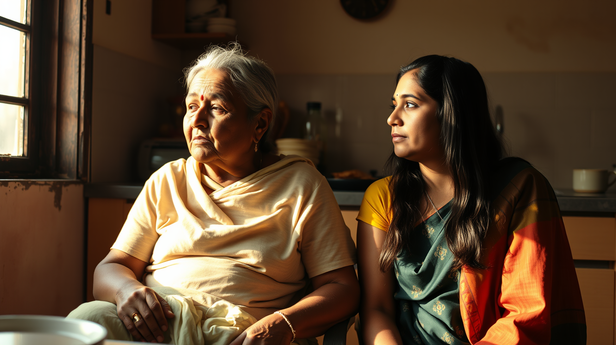
Your mother did not talk about what happened to her. Her mother didn't either. In most Indian households, this is not a failure of language, it is the language. Silence was the decision that kept the family intact, the lid that held everything below the surface so the surface could keep moving. You grew up reading that silence as normal. You learned to keep your own lid on.This is how generational trauma travels. Not in stories told at the dinner table, but in the absence of them. Not in what your family said about pain, but in how they flinched when it came near. The nervous system learns from watching. A child who grows up watching her mother go rigid when a raised voice enters the room will go rigid at raised voices long before she understands why. The body absorbs the lesson before the mind has words for it.Psychologist Rachel Yehuda's research on Holocaust survivors and their children showed that trauma alters stress hormone levels across generations, children of survivors showed measurably different cortisol patterns than children of non-survivors, even when the children had no direct exposure to trauma themselves. The body carries what the mind was never told. Indian families are not unique in this. But the specific shape of Indian silence, built from partition, from poverty, from the particular weight of what women in this country were not permitted to want, gives our inheritance its own texture.